Growing Cantaloupe
Cantaloupe (Cucumis melo), also called muskmelon, is a warm-season vining crop that loves the long, hot summers here in Southwest Missouri (Zones 6b–7a). A homegrown melon picked at full slip is sweeter and more fragrant than anything at the store. Two things matter most: planting into truly warm soil, and protecting young vines from cucumber beetles.
At a glance
- Sun: full sun, 8 or more hours a day
- Water: moderate and steady; ease off as the fruit nears ripeness
- Soil pH: 6.0–6.8
- Start: direct sow, or start indoors in late April for an earlier crop
- Spacing: 24–36 inches apart, rows 5–6 feet apart
- Sow or plant out: early May to early June, once the soil reaches 70°F
- Harvest: late July to early September, 70–90 days after planting
- How many: 2–3 plants per person for fresh eating, 4–6 if you plan to preserve
- Containers: compact varieties only, in a 10 gallon pot with a trellis and slings for the fruit
Varieties that do well here
- Ambrosia: exceptionally sweet, and a longtime favorite.
- Athena: disease-resistant and dependable in our humid summers.
- Minnesota Midget: small vines and personal-size melons, good for small spaces.
Sugar Cube, another small, very sweet melon, is also worth growing.
When to plant
Around Springfield the average last spring frost is about April 10, and the first fall frost comes around October 22. Cantaloupe can’t take frost, and it stalls in cold soil: planting into cold, wet ground is the most common reason seeds rot or seedlings sit and sulk.
- Sow outdoors once the soil reaches 70°F, usually by mid-May. The planting window runs from early May to early June.
- Start indoors for an earlier harvest: sow in biodegradable pots in late April, 3–4 weeks before transplanting. Cantaloupe dislikes having its roots disturbed, so harden the seedlings off and set them out young, before the vines start to run.
- Black plastic mulch laid over the bed warms the soil and speeds early growth.
Soil and site
The sunniest, warmest spot in the garden is the right one for melons; heat builds the sugar in the fruit. Cantaloupe wants loose, well-drained soil, such as a sandy loam or garden soil amended with compost. Heavy Ozark clay stays cold and wet in spring, so build low mounds or wide raised rows with plenty of compost worked in; they warm faster and drain better. A soil test before planting tells you what else the bed needs. Plant where cucumbers and squash didn’t grow last year.
Planting
- Sow seeds 1 inch deep, a few at each spot, and thin to one plant every 24–36 inches. Seeds sprout in 4–10 days.
- Leave 5–6 feet between rows for the vines to sprawl.
- Set transplants at the same depth they grew in their pots, disturbing the roots as little as you can.
- Cover young plants with row cover to keep cucumber beetles off, and remove it when the flowers open.
- Water well after planting.
Water, feeding and pollination
- Water at the base of the plant in the morning, keeping the soil evenly moist while the vines grow and the fruit sizes up. Drip lines or soaker hoses keep the leaves dry.
- Ease off watering in the last week or two before harvest. It concentrates the sugars; heavy rain right before harvest can make melons bland or split them.
- Mulch to hold moisture, keep weeds down and stop soil splashing onto the leaves.
- Feed with compost worked into the hills before planting. Avoid heavy nitrogen once the vines begin to run, which gives you leaves instead of melons.
- Pollination: cantaloupe has separate male and female flowers, and the female ones have a tiny melon at their base. Bees carry the pollen between them; poor pollination gives small, misshapen fruit or fruit that drops early. Borage, zinnias and cosmos nearby keep the bees coming, and don’t spray anything while the vines are in bloom.
Good neighbors
Corn, radishes, nasturtiums, marigolds, dill and bush beans grow well with cantaloupe. Radishes and nasturtiums help deter cucumber beetles, and corn makes good use of the space above sprawling vines. Keep cantaloupe away from potatoes, cucumbers and squash, which compete for space and share cucumber beetles, mildew and bacterial wilt.
Pests and diseases
Pests
- Cucumber beetles: striped or spotted yellow beetles that chew leaves and flowers and spread bacterial wilt. Hand-pick them in the cool of the morning and set yellow sticky traps near young vines.
- Squash bugs: suck sap from leaves and young fruit, causing wilting and speckled leaves. Pick them off by hand.
- Aphids: cluster under the leaves, curl new growth and spread mosaic viruses.
Diseases
- Powdery mildew: a white, powdery coating on the leaves, worst in late summer humidity.
- Bacterial wilt: vines suddenly wilt and collapse. Cucumber beetles spread it, so keeping them off young vines is the best way to prevent it.
- Alternaria leaf spot: brown spots with rings like a target. It weakens the vines and makes the melons less sweet.
- Fusarium wilt: vines yellow, wilt and die. Rotate where you plant and choose resistant varieties.
Most of these are prevented the same way: rotate melons away from cucumbers and squash, use row covers until the flowers open, and water at the base, giving the vines room for air to move.
Harvest
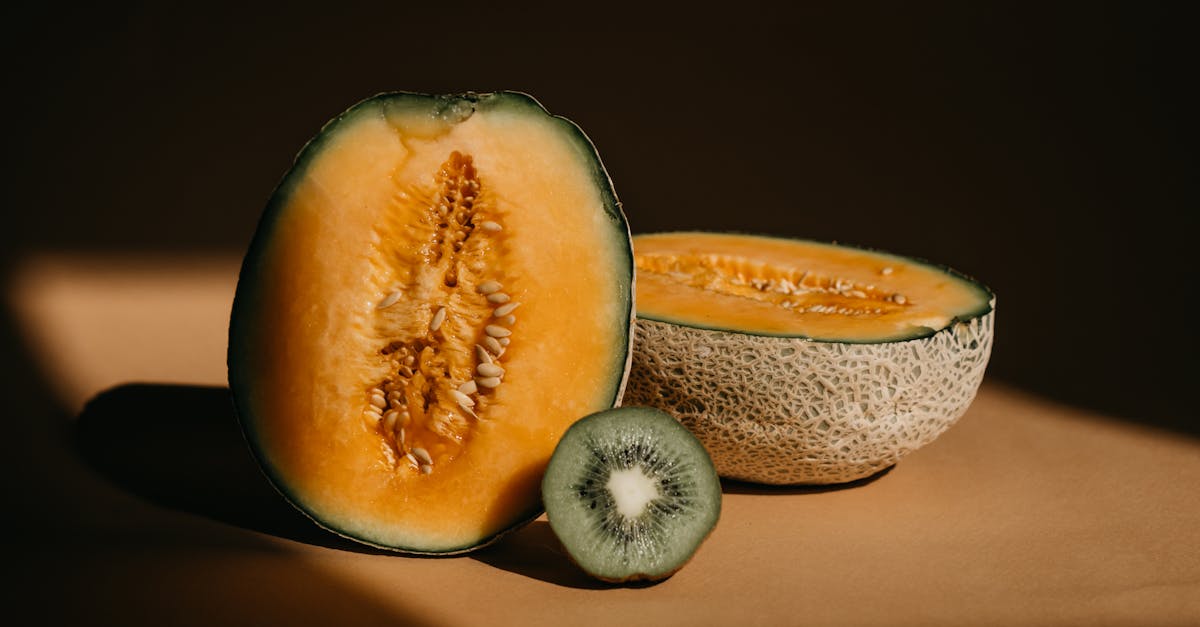
Cantaloupe is ripe at full slip, when the stem separates from the melon with gentle pressure. By then the netting has turned tan and the blossom end smells sweet. If you have to tug, it isn’t ready, and don’t pick early: melons stop gaining sugar once they’re off the vine. As the fruit ripens, lift each melon onto a board or an overturned pot to keep the bottom from rotting.
Storing and preserving
A melon picked at full slip is ripe and doesn’t keep long, so refrigerate it and eat it soon. Refrigerate cut melon and use it within 3–4 days. For later, freeze chunks for smoothies, dehydrate slices, or freeze-dry them for a candy-like snack.