Growing Strawberries
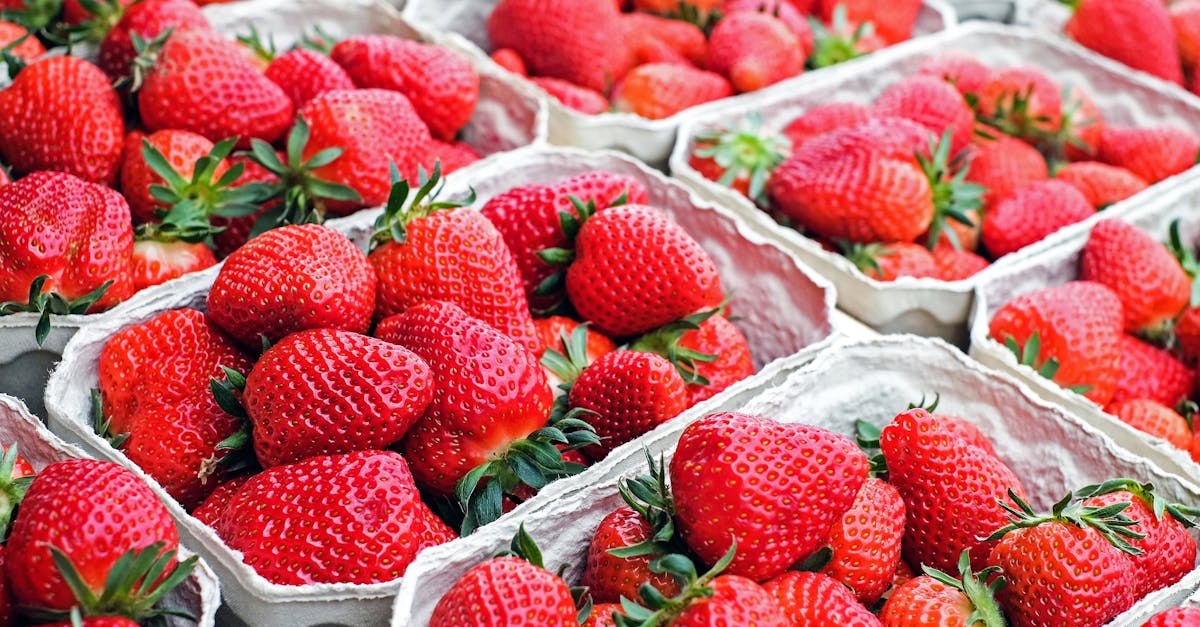
Strawberries (Fragaria × ananassa) are low-growing perennials that spread by runners into a productive bed. Our cool springs and fertile soil here in Southwest Missouri (Zones 6b–7a) suit them well, and with straw mulch and a quick renovation each summer, one bed gives you berries for several years.
At a glance
- Sun: full sun, 6–8 or more hours a day
- Water: high; about 1 inch a week, more while fruiting
- Soil pH: 5.5–6.8
- Plant: bare-root crowns or potted plants, March to early April
- Spacing: June-bearers 18–24 inches apart in rows 3–4 feet apart; day-neutral types 12 inches apart
- Harvest: late spring, starting the second spring for June-bearers
- Yield: about a quart per plant; a bed lasts 3–4 years
- How many: 10–15 plants for a family of four to eat fresh, 25–50 if you plan to preserve
- Containers: yes, day-neutral types in pots, hanging baskets and strawberry jars
Choosing a type
- June-bearing strawberries give one big crop in late spring. They’re the classic choice for jam.
- Everbearing types give two smaller crops, one in spring and one in fall.
- Day-neutral types fruit through mild weather in spring and again in fall, and do best in containers.
Varieties that do well here:
- Earliglow: early, sweet and disease resistant; a longtime favorite.
- Allstar: large, firm berries with broad disease resistance.
- Albion: a day-neutral type that fruits in spring and again in fall.
When to plant
Plant in early spring, from March to early April, as soon as the soil can be worked. Strawberry plants are hardy, so there’s no need to wait for the last frost. The flowers are another story: if frost is forecast while the plants are blooming, usually in April, cover them overnight.
Soil and site
Strawberries want rich, well-drained soil with plenty of organic matter, and raised beds are the best way to give them the drainage they need. Mix in compost before planting. Don’t plant where tomatoes, potatoes, peppers or eggplant grew in the last 3 years: those crops can leave Verticillium wilt in the soil, and strawberries catch it too.
Planting
- Set each crown so the soil line sits at the middle of the crown. Cover the roots, but never bury the crown itself, or it will rot.
- Space June-bearers 18–24 inches apart in rows 3–4 feet apart and let their runners fill in the row. Day-neutral plants go 12 inches apart.
- Water well after planting.
- The first year, pinch off the flowers on June-bearers. It’s hard to do, but the plants put that energy into roots and runners and give you a much bigger crop the next spring.
Water, mulch and feeding
- Give strawberries about an inch of water a week, more while the fruit is forming. Water at the base in the morning and keep the fruit and leaves dry.
- Mulch with straw or pine needles. It holds moisture, keeps berries clean and off the soil, and keeps weeds down.
- Go light on fertilizer; too much nitrogen gives you leaves instead of berries. Compost after renovating each summer is usually all they need.
Renovating a June-bearing bed
Right after harvest each summer:
- Mow or cut the leaves down to 1–2 inches.
- Narrow the rows to about 12 inches wide, pulling out the oldest plants.
- Thin the plants that are left to 6–8 inches apart.
- Top-dress with compost and water well.
Even with renovating, a bed wears out after 3–4 years, so plan to start a new one.
Winter
After the plants have been through a few hard freezes in late fall, cover them with 2–3 inches of loose straw to protect the crowns from our freeze-and-thaw winters. In spring, when new leaves start to show, rake the straw into the aisles, where it doubles as mulch.
Good neighbors
Lettuce, spinach, garlic, onions, chives, thyme and borage grow well with strawberries, helping keep pests away and bringing in pollinators. Keep strawberries away from tomatoes, potatoes, peppers and eggplant, which share their diseases, and from the cabbage family.
Pests and diseases
Pests
- Slugs: eat ripening berries. Straw mulch and picking promptly help.
- Birds and squirrels: eat ripe berries. Cover the bed with netting as the fruit starts to color, usually in May.
- Strawberry clipper: a small weevil that clips off flower buds in spring.
Diseases
- Gray mold (Botrytis): fuzzy gray rot on the fruit in damp weather.
- Leaf spot: brown or purple spots on the leaves.
- Root rot: comes from poorly drained soil, which is why raised beds help so much.
Good spacing, mulch, airflow and watering at the base prevent most of these.
Harvest
June-bearers ripen in late spring, into June. Pick fully red berries every 2–3 days, with the green cap still attached, in the cool of the morning.
Bees make the berries: poorly pollinated flowers give small or lumpy fruit. Borage, calendula and alyssum planted nearby bring them in.
Storing and preserving
Refrigerate berries unwashed and they’ll keep 5–7 days; wash them just before eating. To freeze, hull them, slice or leave whole, and freeze on a tray before bagging so they don’t clump. Strawberries also make wonderful jam and syrup (water-bath canned), and you can dehydrate or freeze-dry them.