Growing Marigolds
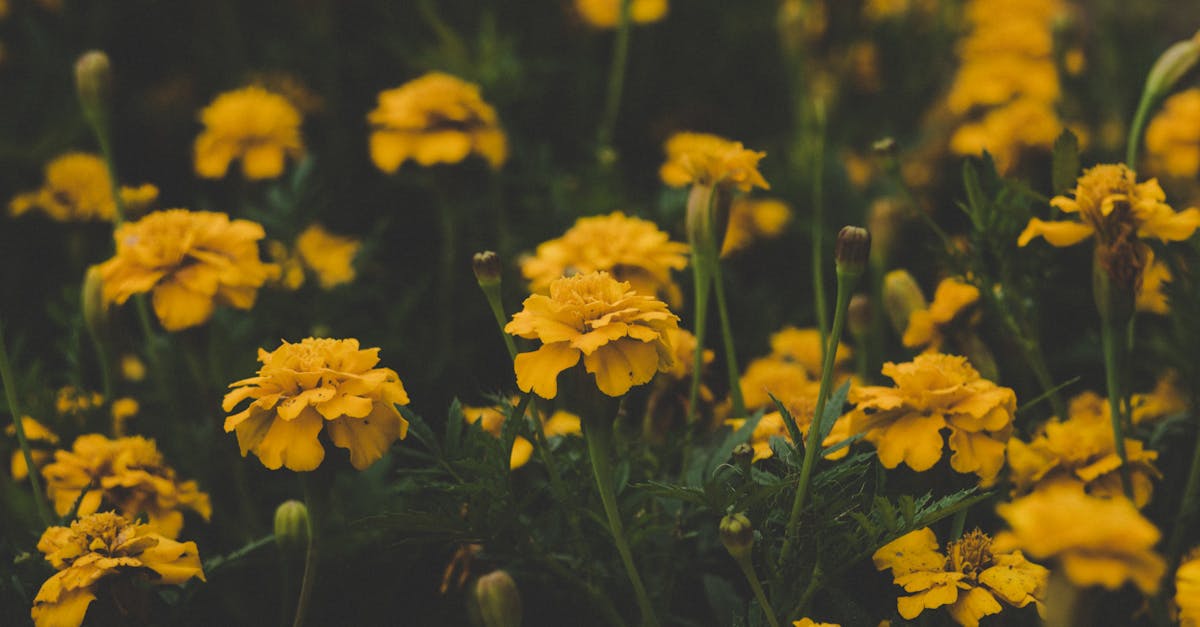
Marigolds (Tagetes) are tough, easy annual flowers that bloom from late spring until frost here in Southwest Missouri (Zones 6b–7a). Most gardeners grow them among the vegetables, where they bring in pollinators and, planted thickly enough, can cut down root-knot nematodes in the soil. They can’t take frost, so plant them out with your tomatoes.
At a glance
- Sun: full sun, 6 or more hours a day; fewer flowers in shade
- Water: about 1 inch a week once established; fairly drought tolerant
- Soil pH: 6.0–7.0
- Start: indoors 4–6 weeks before planting out (about 8 weeks for African types), or sow outdoors once the soil is warm
- Spacing: French 6–10 inches apart, signet 8–12 inches, African 12–16 inches
- Plant out: late April on, after danger of frost
- Bloom: late spring until frost
- Containers: yes, French and signet types
Varieties that do well here
There are three main types:
- French marigolds (Tagetes patula): compact, 6–18 inches tall, with flowers up to 2 inches across. Good for edging and containers, and the type that helps against root-knot nematodes. Tangerine and Single Gold have resisted several kinds of root-knot nematode in trials, and the Hot Pak series stands up well to heat and humidity.
- African marigolds (T. erecta): up to 3 feet tall, with big, double pompom flowers for the back of a bed or for cutting. The Big Duck hybrids are very heat tolerant.
- Signet marigolds (T. tenuifolia): small, bushy and lemon-scented, with finely cut leaves and lots of small flowers. Nice for edging and rock gardens.
A relative, Mexican mint marigold (T. lucida), is grown as an herb, a heat-loving stand-in for tarragon in our hot summers.
When to plant
Around Springfield the average last spring frost is about April 10, and the first fall frost comes around October 22. Marigolds are tender, so hold them until late April, when you plant tomatoes.
- Start seeds indoors in mid to late March, or early March for African types. Sow them ¼ inch deep; at 70–75°F they sprout in 5–7 days.
- Harden off seedlings before planting out: set them outside for a few hours a day, a little longer each day, for about a week.
- Sow outdoors from late April into May, once the soil has warmed.
Soil and site
Marigolds aren’t fussy. They do best in full sun and well-drained, moderately fertile soil. Work compost into heavy clay to help it drain. Go easy on nitrogen, which gives you lots of leaves and fewer flowers.
Planting
- Space French marigolds 6–10 inches apart, signets 8–12 inches and African types 12–16 inches.
- Set transplants at the same depth they grew in their pots.
- If you sow in place, sow ¼ inch deep, water gently, and thin the seedlings once they’re 2 inches tall.
- Water well after planting.
Water, mulch and deadheading
- Water to keep the soil evenly moist for the first couple of weeks, then about an inch a week, letting the soil dry a little between waterings. Water at the base, not over the leaves.
- Mulch lightly to hold moisture and keep weeds down, keeping it off the stems.
- Deadhead spent flowers to keep new ones coming. If blooming slows in midsummer, shear the plants back by a third and they’ll flush again.
Good neighbors
Marigolds are good neighbors for most of the vegetable garden: tomatoes, peppers, eggplant, beans, potatoes, asparagus, sweet potatoes, squash, zucchini, pumpkins, cantaloupe, watermelon, kale and garlic, and basil in the herb bed. Near kale they help mask the scent that draws egg-laying cabbage moths, and near garlic they’re said to help repel aphids. In the fruit garden, they’re good with raspberries, blackberries and grapes. Wherever they grow, their flowers bring in pollinators and the beneficial insects that eat pests.
Marigolds and nematodes
Root-knot nematodes are microscopic worms in the soil that feed on the roots of tomatoes and many other crops. A few marigolds tucked between vegetables don’t affect them. What does work, to a point, is a solid planting of French marigolds, no more than 7 inches apart, grown for at least 2 months (a full season is better) and then dug into the soil before you plant the vegetable crop there. Plant the marigold patch in spring.
Pests and diseases
Pests
- Spider mites: speckled, dull leaves and fine webbing, worst in hot, dry weather. Spray the undersides of the leaves with water, or use insecticidal soap.
- Aphids: cluster on new growth. Wash them off with a spray of water or use insecticidal soap.
- Slugs: eat seedlings and leaves in damp weather. Hand-pick them in the evening.
Diseases
- Gray mold (Botrytis): brown, fuzzy rot on flowers and buds in wet weather. Deadheading and good spacing help.
- Stem and root rot: comes from soggy soil and overwatering.
- Aster yellows: spread by leafhoppers; plants turn yellow and the flowers come out green and twisted. Pull and throw away infected plants.
Good spacing, watering at the base and well-drained soil prevent most problems.
Cutting and using the flowers
- For bouquets, cut flowers in the morning after the dew dries.
- To dry them, hang small bunches upside down somewhere warm, dry and airy.
- The yellow and orange flowers make a natural dye for fabric and yarn.
Be careful about eating them. Signet marigold petals are sometimes used in salads for their spicy flavor, but most marigolds aren’t considered edible. Calendula, often called pot marigold, is a different plant with edible petals; don’t mix them up. Only eat flowers you’ve grown without pesticides.
Winter
Marigolds are annuals here and die with the first frost, around October 22 on average. To grow them again, save seed: let a few flowers dry on the plant, pull out the slender seeds, and store them somewhere cool and dry. Seed from hybrids won’t come true, and different varieties grown side by side can cross.