How to Grow Herbs: A Flavorful Guide for Beginners
Herbs are some of the most forgiving plants you can grow, as long as you give each one the conditions it wants. A few pots by the kitchen door or a small bed in the garden will keep you in fresh flavor all season, with plenty left to dry for winter. Here in Southwest Missouri (Zones 6b–7a), with our clay soil, wet winters and humid summers, the trick is knowing which herbs want lean, dry ground and which want rich, moist soil.
Why grow herbs at home
Fresh herbs taste brighter than anything from a jar, and one plant of basil, thyme or mint can supply a kitchen all summer. Many herbs also earn their place in the garden itself: let them flower and they feed bees, butterflies and the beneficial insects that keep pests in check. Most are easy to dry, too, so a summer’s harvest stocks the pantry with teas and seasonings for winter.
Choosing a spot
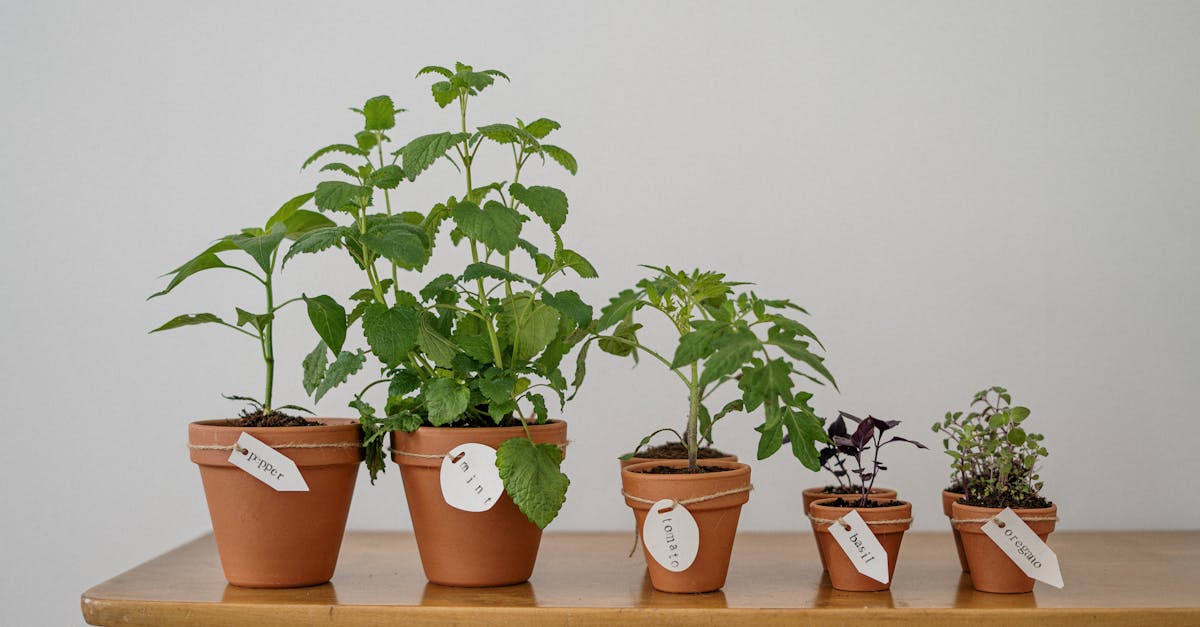
Most herbs want full sun, 6–8 hours a day, which is what gives them their strongest flavor. A few, like cilantro, parsley, chives and mint, get by with part sun, and cilantro welcomes a little afternoon shade in summer. Plant the herbs you cook with most close to the kitchen door, where you’ll actually pick them. Short on space? Most herbs grow well in containers on a patio or porch.
Soil and drainage
Herbs fall into a few groups with very different needs. Plant each group together and they’ll all be happier.
- Dry and lean: lavender, rosemary, sage, thyme, oregano, marjoram, tarragon and summer savory. These Mediterranean herbs want full sun, sharp drainage, little water and no rich compost. Plant them on a mound or raised bed with a few inches of gravel mixed into the soil.
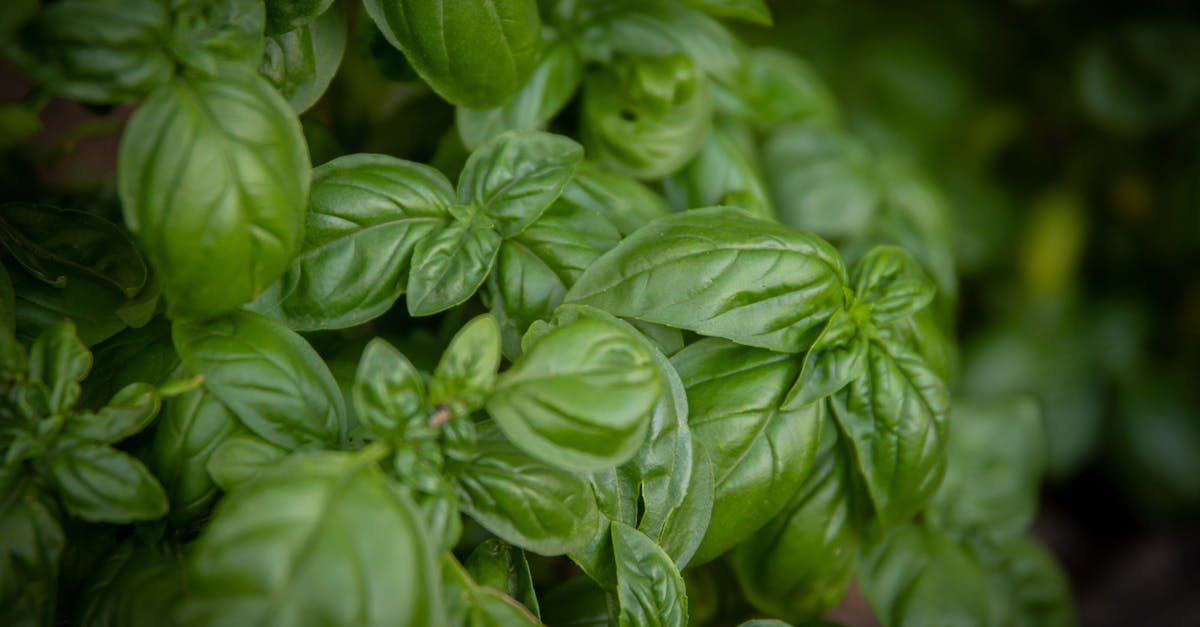
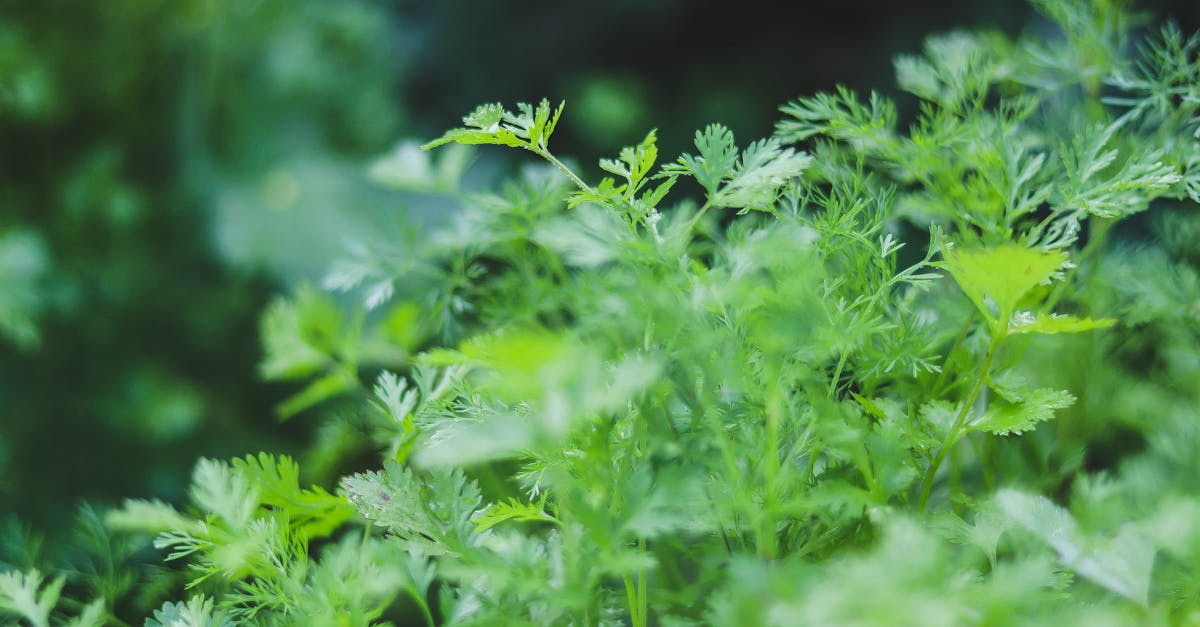
- Rich and moist: basil, parsley, cilantro, dill, chives, lemongrass and lemon verbena. These want compost-rich soil and steady water, and they fit right into the vegetable garden.
- Spreaders: mint, lemon balm, catnip, bee balm and comfrey spread by runners or seed. Grow them in containers, behind a buried barrier, or in a bed of their own.
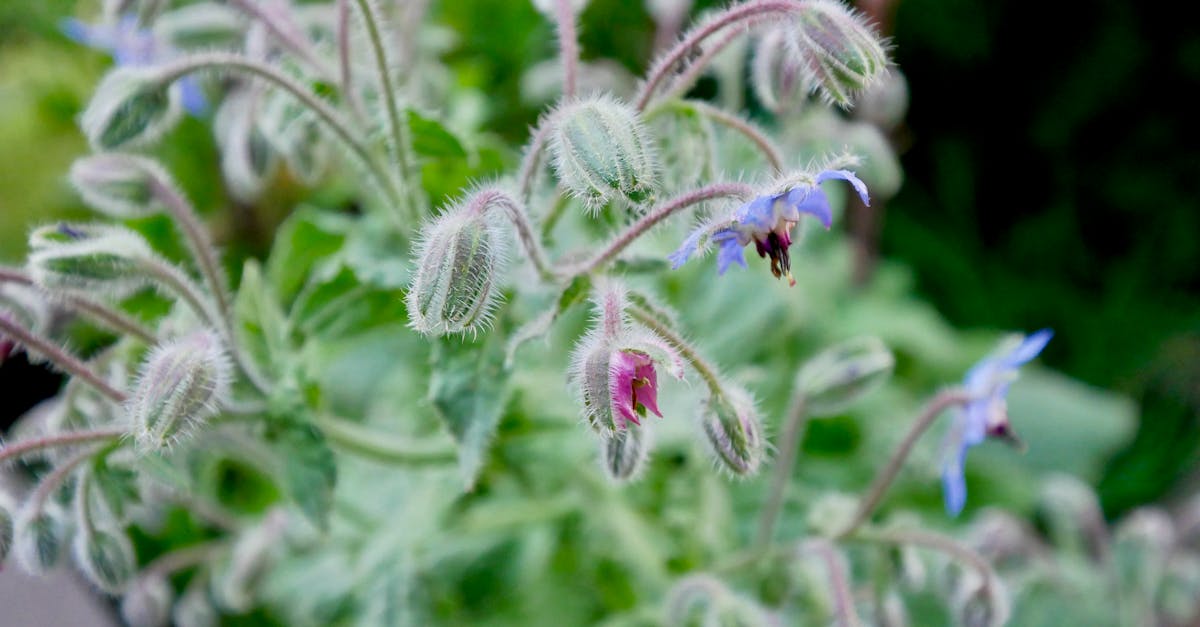
- Pollinator flowers: borage, nasturtium, calendula and chamomile are easy, edible and loved by bees. Tuck them in at the ends of vegetable rows and along bed edges.
- Fennel: slows the growth of many plants nearby, so give it its own spot or a large pot.
Most herb failures in the Ozarks come from wet clay, not cold. If your soil is heavy, raised beds and containers are the easiest fix. Most herbs do well with a soil pH between about 6.0 and 7.5; lavender, rosemary, oregano and thyme are happy up to 8.0. In pots, use a light potting mix (never garden soil) and containers with drainage holes. Terracotta dries out faster, so save it for the sun-lovers.
Planting your herbs
Around Springfield the average last spring frost is about April 10, and the first fall frost comes around October 22. When to plant depends on the kind of herb:
- Cool-season annuals (cilantro, dill, calendula, chamomile) handle light frost. Sow them early in spring and again in late summer.
- Warm-season annuals (basil, borage, nasturtium, summer savory) are killed by frost and stall in cold soil. Plant them 2–3 weeks after the last frost.
- Hardy perennials (chives, mint, oregano, sage, thyme, lavender and others) can go in from mid-April through May, or in early fall.
- Tender perennials (rosemary, lemon verbena, marjoram) aren’t reliably winter-hardy here. Plant them out in May and plan to bring them inside for winter or replant each year.
You can start herbs three ways:
- From seed: the cheapest way to grow annuals. Dill, cilantro, borage and nasturtium dislike transplanting, so sow them right where they’ll grow. Basil, parsley and thyme get a head start indoors in late winter or early spring. Many herb seeds are tiny and need light to sprout, so press them onto the surface and keep it moist instead of burying them. Seed that doesn’t come up was usually planted too deep, in soil that was too cold, or was simply old.
- From cuttings: rosemary, sage, thyme, lavender, tarragon and marjoram are slow or unreliable from seed. In late spring or early summer, cut 4–6 inch tips of new, flexible growth, strip the lower leaves and set them in damp seed-starting mix or perlite, out of direct sun. Most root in 2–4 weeks. Mint, lemon balm and basil will even root in a glass of water.
- From division: dig up chives, mint, lemon balm, oregano, tarragon, bee balm or yarrow in early spring or early fall and pull the clump apart into pieces, each with roots and shoots. Dividing every 2–4 years keeps many perennials vigorous.
French tarragon, peppermint and many named lavender and rosemary varieties don’t come true from seed; cuttings and divisions are the only way to get the same plant.
Caring for your herbs
Most herbs need very little. Rich soil and heavy feeding give you leggy plants with weaker flavor, so go easy on fertilizer, and skip it entirely for the dry-and-lean group. Water the kitchen herbs steadily, and let the Mediterranean herbs dry out between waterings.
Regular picking is the best pruning: it keeps plants bushy and productive. Pinch the flower buds off basil to keep it making leaves. Still, let a few plants of each kind flower. They feed pollinators, and dill, cilantro and borage will reseed.
Pests are usually minor. Spray aphids off with water and let ladybugs and hoverflies do the rest. Spider mites leave fine webbing and speckled leaves in hot, dry weather; rinse the plants. Caterpillars on dill, parsley or fennel are usually black swallowtail larvae, so plant a little extra to share.
Harvesting and preserving
Harvest in the morning, after the dew dries but before the heat of the day, when the oils that carry the flavor are strongest. Leafy herbs taste best just before they flower. Cut, don’t pull: use sharp scissors just above a pair of leaves, and never take more than a third of a plant at once.
To dry herbs, hang small bundles upside down, or spread the leaves on screens, in a warm, dark, airy spot. In our humid summers, herbs that dry too slowly can mold; if they aren’t crisp within a week or two, finish them in a dehydrator set to 95–115°F. They’re done when the leaves crumble and the stems snap. Store whole leaves in labeled glass jars away from light and heat, and replace them every year. Dried herbs are stronger than fresh: use about 1 teaspoon dried for every tablespoon fresh.
Some herbs lose most of their flavor when dried. Freeze basil, chives, parsley, cilantro and dill instead, chopped, in ice cube trays with water or oil. If you make herb oil to keep on the shelf, use completely dried herbs. Oils made with fresh herbs or garlic must be refrigerated and used within 4 days, or frozen.
Winter care
Hardy perennials survive our winters outdoors and return each spring: bee balm, catnip, chives, comfrey, echinacea, lavender, lemon balm, lovage, mint, oregano, sage, tarragon, thyme and yarrow. Parsley, a biennial, often survives too, then flowers and sets seed in its second year. Tender perennials (rosemary, lemon verbena, marjoram) and tropical lemongrass need to come inside or be replanted each spring, and annuals finish with the season.
To get your perennials through winter:
- Stop pruning woody herbs (lavender, rosemary, sage, thyme) by early September so new growth can harden before frost.
- Mulch perennial herbs lightly after the ground cools, but keep mulch away from the crowns of lavender, sage and thyme. Wet soil kills more of them than cold does.
- Leave the stems standing over winter. They protect the crowns and shelter beneficial insects. Cut them back in early spring.
- Before the first frost, pot up rosemary and lemongrass to bring inside, along with a little basil or parsley for the windowsill.
Bringing herbs indoors
A sunny window can keep fresh herbs in the kitchen all winter and carry tender perennials safely to spring. Chives, parsley, mint, lemon balm, oregano, thyme and marjoram grow happily indoors year-round. Basil, cilantro and dill last a few months indoors before you’ll want to start fresh. Lavender, fennel, comfrey, echinacea, bee balm and yarrow need full sun, a cold dormancy or more room than a pot can give, so leave them outside.
- Light: a south- or west-facing window, or a grow light 6–12 inches above the plants for 12–14 hours a day.
- Water: let the top inch of soil dry between waterings. Indoor herbs drown more often than they dry out.
- Air: keep plants away from heat vents. A gentle breeze from a fan helps prevent mildew.
- Moving them in: bring rosemary in before nights drop below 30°F, and lemon verbena and lemongrass before 40°F. A week or two ahead, move the pots to a shadier spot outdoors so they adjust to lower light, and rinse the leaves and check for pests. Expect some leaf drop the first few weeks; it’s normal.