Growing Lavender
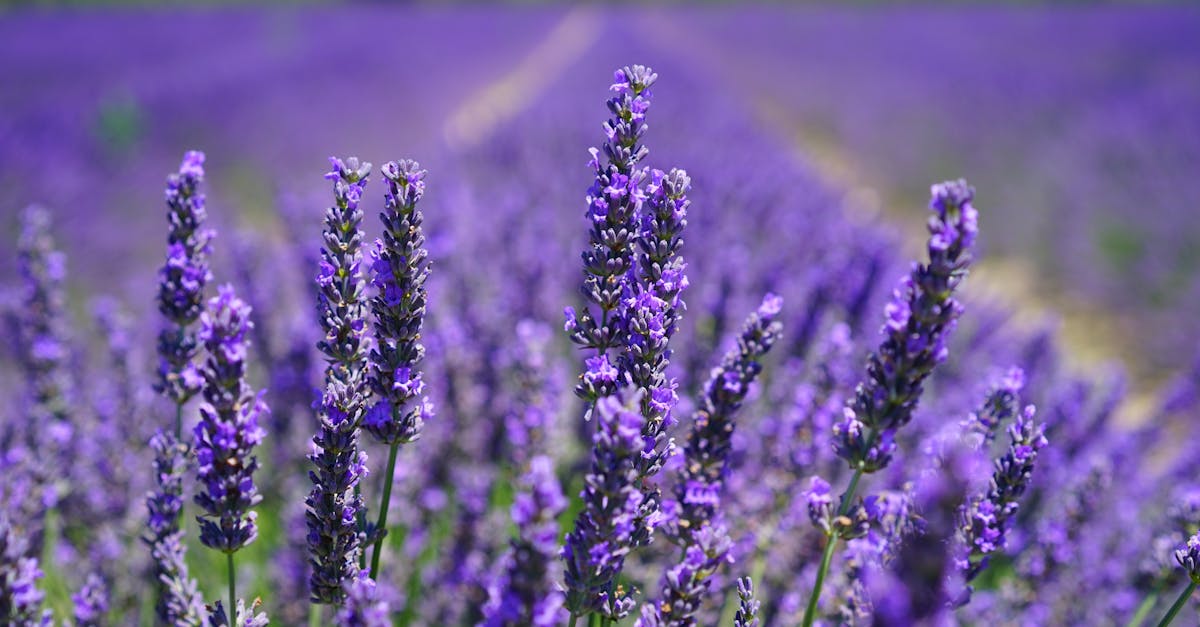
Lavender (Lavandula species) is a fragrant, woody perennial grown for its flowers, its scent and the bees it brings in. Unlike most garden plants, it wants dry roots and lean soil. Here in Southwest Missouri (Zones 6b–7a), with our clay, wet winters and humid summers, drainage and variety choice decide whether it lives: wet winter clay kills more lavender than cold does.
At a glance
- Sun: full sun, 6–8 or more hours a day
- Water: low once established
- Soil pH: 6.5–8.0; slightly alkaline is best
- Start: transplants or cuttings; seed is slow and uneven
- Spacing: 18–24 inches apart, rows 24–36 inches apart
- Plant out: late April through May
- Harvest: June and July; young plants bloom 90–110 days after planting
- How many: 2–3 plants for fresh use, 6–12 if you plan to dry it
- Containers: yes, a terracotta pot with gritty soil
Varieties that do well here
- Phenomenal: a lavandin bred for heat, humidity and cold; the most reliable type here.
- Munstead: a compact, hardy English lavender for cooking.
- Hidcote: a deep purple English lavender, compact and hardy.
English lavender (Lavandula angustifolia) is the one to cook with. Lavandins (L. × intermedia) are crosses with bigger plants and a stronger scent. Vera (English) and Grosso (a long-stemmed lavandin) are other good choices. Skip French lavender (L. dentata) and Spanish lavender (L. stoechas) for the garden; they don’t make it through our winters.
When to plant
Set out transplants from late April through May, after the last frost (about April 10 on average around Springfield). Planting in spring gives the roots a full season to settle in before winter.
To grow lavender from seed, start it indoors from late January through February. The seeds need a cold spell (cold stratification) before they sprout, then take 14–28 days, and they come up unevenly. Most gardeners find transplants and cuttings far more reliable.
Soil and site
Lavender wants lean, sandy or gravelly soil that drains fast. Poor drainage is the most common cause of failure. In clay, plant on a mound or in a raised bed, with a few inches of gravel, sand or perlite mixed into the soil. Skip compost and manure. If a soil test shows acid soil, lime will raise it toward the slightly alkaline range lavender likes.
Choose your sunniest, most open spot. In shade lavender grows weak and flowers poorly, and good airflow keeps disease down in our humid summers.
Planting
- Set plants at the same depth they grew in the pot. Burying the crown leads to rot.
- Space them 18–24 inches apart, with rows 24–36 inches apart, so air can move between them.
- Water well after planting.
Water, mulch and pruning
- Water regularly through the first growing season. After that, lavender is drought tolerant. Let the soil dry between waterings; overwatering does more harm than underwatering.
- Water at the base, never over the top of the plant.
- Skip straw, wood chips and other organic mulch around lavender. A gravel mulch around the crown keeps it dry.
- Prune lightly after flowering to keep plants compact. Never cut back into old, leafless wood, which rarely sprouts again.
- Plants get woody and sparse with age. Root a few cuttings and replace old plants every 4–5 years.
Good neighbors
Lavender does best beside plants that like the same dry, sunny ground: rosemary, thyme, sage, oregano, yarrow, echinacea and roses. It helps deter pests and draws bees, butterflies and beneficial insects to the whole garden; echinacea, yarrow and calendula nearby keep them coming. Keep it away from basil, cilantro, mint, parsley and lettuce, which need richer, wetter soil than lavender can stand.
Pests and diseases
Pests
- Aphids: rare and usually minor. Rinse them off with water.
- Spittlebugs: small blobs of froth on the stems. They’re rare, and usually a sign of too much moisture.
Diseases
- Root rot: caused by poor drainage or overwatering, and the main way lavender is lost here.
- Fungal problems: leaf and stem diseases that show up in humid, crowded plantings.
Excellent drainage, proper spacing, full sun and watering at the base prevent most of these.
Harvest
- Cut flower stems when the buds are just beginning to open, in the morning after the dew dries.
- Cut above the woody part of the stem.
- The main harvest runs through June and July.
English lavender flavors shortbread, sugar, honey and lemonade; lavandins taste bitter, so save them for sachets. Lavender is traditionally used in sachets, pillows and baths to promote rest, and as an infused oil for minor skin irritation. Never take concentrated lavender oil internally, and talk with your healthcare provider before using herbs medicinally if you’re pregnant, nursing or taking medication.
Storing and preserving
Tie stems in small bundles and hang them upside down in a cool, dark place to dry. Store the dried flowers in an airtight container away from light. Whole dried stems hold their scent longer than crumbled buds, and a well-dried bundle stays fragrant for a year or more; use it within a year for the best scent in teas and baking. You can also freeze fresh stems in bags for cooking, or infuse dried flowers in oil, sugar or honey.
Winter
Lavender is a hardy perennial here, and it’s wet soil, not cold, that usually kills it over winter.
- Stop pruning by early September so new growth can harden before frost.
- Keep mulch away from the crown. A gravel mulch is the one kind that helps.
- Leave the stems standing over winter. They protect the crown and shelter beneficial insects.
- In early spring, cut out any branches the winter killed, stopping at live, leafy growth.