Growing Artichoke
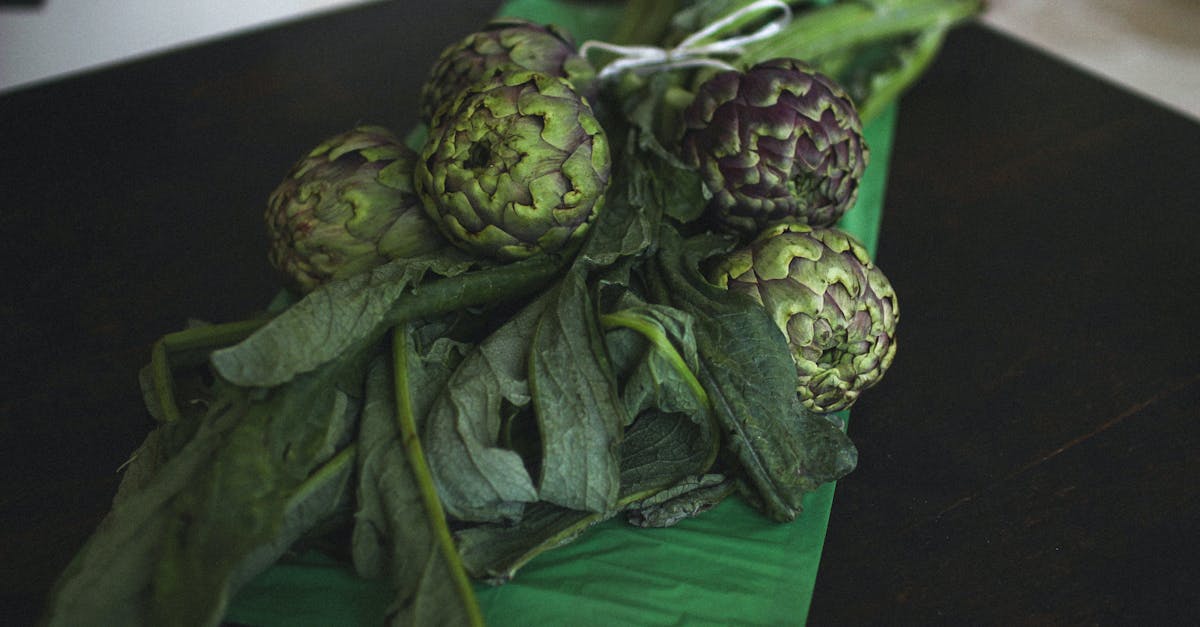
Globe artichokes (Cynara scolymus) are big, silvery-leaved plants grown for their flower buds. Be realistic about them here in Southwest Missouri (Zones 6b–7a): they’re a marginal crop. They grow best with days around 75°F and nights around 55°F, and we give them cold winters and summers well past 85°F, which turn the buds woody and bitter. Grown as an annual from a variety bred for it, they can give you a modest crop, but treat the first year as an experiment.
At a glance
- Sun: full sun
- Water: 1–2 inches a week, kept even
- Soil pH: 6.5–7.0
- Start: indoors from seed, late January to mid-February
- Chill: young plants need at least 8–10 days below 50°F to bud the first year
- Spacing: 2–3 feet apart, rows about 4 feet apart
- Plant out: late March to mid-April
- Harvest: buds start 60–100 days after planting out, then off and on until frost
- Overwintering: possible with heavy protection, but not reliable here
Varieties that do well here
- Imperial Star: bred to bud the first year from seed after a short chill, and productive in Virginia trials. It’s the best choice for growing artichokes as an annual.
- Emerald: did about as well as Imperial Star in the same Virginia trials.
- Colorado Star: another short-chill variety for annual growing, though it can be hard to find.
Green Globe, the classic large globe, is a poor choice here: in Virginia only 15% of its plants budded the first year, and it needs to overwinter to do well. Purple types such as Violet de Provence and Violetto are worth a try for color.
When to plant
Around Springfield the average last spring frost is about April 10, and the first fall frost comes around October 22. The tricky part is getting buds the first year. A young plant has to go through a cool spell, at least 8–10 days below 50°F and closer to 3 weeks for some varieties, before it will flower, and hot weather can undo that chilling. Planting out early lets cool spring nights give them that chill.
- Start seeds indoors in late January to mid-February, about 7–8 weeks before planting out. Sow them ¼ inch deep in cells about 3 inches deep (artichokes make a taproot), at 70–80°F. They sprout in 7–12 days. Grow the seedlings in bright light and keep them below 80°F.
- Harden off the seedlings for 7–10 days in a cold frame or sheltered spot.
- Plant out from late March to mid-April, at or a week or two before the last frost. Artichokes handle a light frost, down to about 30°F, but cover young plants with row cover or straw if a freeze is forecast.
- Planting later? Chill the transplants first: keep them under a grow light somewhere that stays between 35 and 50°F, such as an unheated garage, for about 3 weeks.
Soil and site
Give artichokes full sun and deep, fertile, well-drained soil with plenty of organic matter, loosened at least 12 inches deep. They rot in soggy ground, so if your soil is heavy clay, plant in a raised bed. Don’t plant them where lettuce or strawberries grew recently, or anywhere Verticillium wilt has been a problem.
Planting
- Space plants 2–3 feet apart in rows about 4 feet apart.
- Set transplants at the same depth they grew in their pots. Plants set too deep are slow to grow and prone to rot.
- Water well after planting.
Water, mulch and feeding
- Water 1–2 inches a week and keep the soil evenly moist. The roots are fairly shallow, so frequent watering helps in hot spells. A drip line or soaker hose keeps the leaves dry.
- Mulch with straw or grass clippings to hold moisture and keep weeds down. Straw keeps the soil cooler than black plastic, which can undo the chill in a warm spring.
- Feed generously. Work compost and a balanced fertilizer such as 10-10-10 into the bed before planting. Once plants are growing well, side-dress each one with about a tablespoon of calcium nitrate, 3–4 inches from the stem.
Pests and diseases
Pests
- Aphids: cluster on leaves and buds and multiply fast. Knock them off with a firm spray of water early in the day, or use insecticidal soap.
- Thrips, stink bugs and plant bugs: feed on leaves and buds. Check plants often; thrips in particular build up quickly.
- Slugs: chew young plants in damp weather. Beer traps or hand-picking keep them down.
Diseases
- Gray mold (Botrytis): fuzzy gray rot, the most common and damaging artichoke disease. It’s worst in cool, wet weather and gets in through wounds and cut stems. Give plants room, remove infected leaves, and make harvest cuts at an angle.
- Verticillium wilt: leaves yellow and wilt. It lives in the soil; see Soil and site for where not to plant.
- Root rot: comes from poorly drained soil.
Good spacing, watering at the base and well-drained soil prevent most of these.
Harvest
Buds start 60–100 days after planting out. Most come over 6–8 weeks, followed by a light, scattered harvest until frost. The first and largest bud forms at the top of the main stem, and smaller side buds follow; on first-year plants most will be smaller than grocery-store artichokes.
Cut the buds when they reach full size but are still tight and firm, before the bracts (the scales) start to spread. Use sharp pruners and leave 2–3 inches of stem, cut at an angle. In warm weather the buds grow fast, so check plants twice a week. Buds that mature in heat over 85°F can be bitter, so cook and taste one before you cook the rest.
Storing and preserving
Refrigerate artichokes unwashed in a plastic bag, and they’ll keep 2–3 weeks. Don’t let them freeze: temperatures below 32°F brown the bracts. To keep them longer, trim them down to the hearts, blanch, cool them in ice water and freeze.
Winter
Artichokes are perennials, normally hardy to about Zone 6 with good mulch, but our average winter lows run from -5 to 5°F, so don’t count on one coming back. In Virginia trials, only 30–40% of plants survived under a plastic hoop covered with row cover, and few survived under straw alone. To try, cut the plant back to 12 inches after frost, cover it with leaves, set a basket or box over it, and heap more leaves on top. Or dig the roots in fall, store them in a cold room that doesn’t freeze, and replant in spring.