Growing Corn
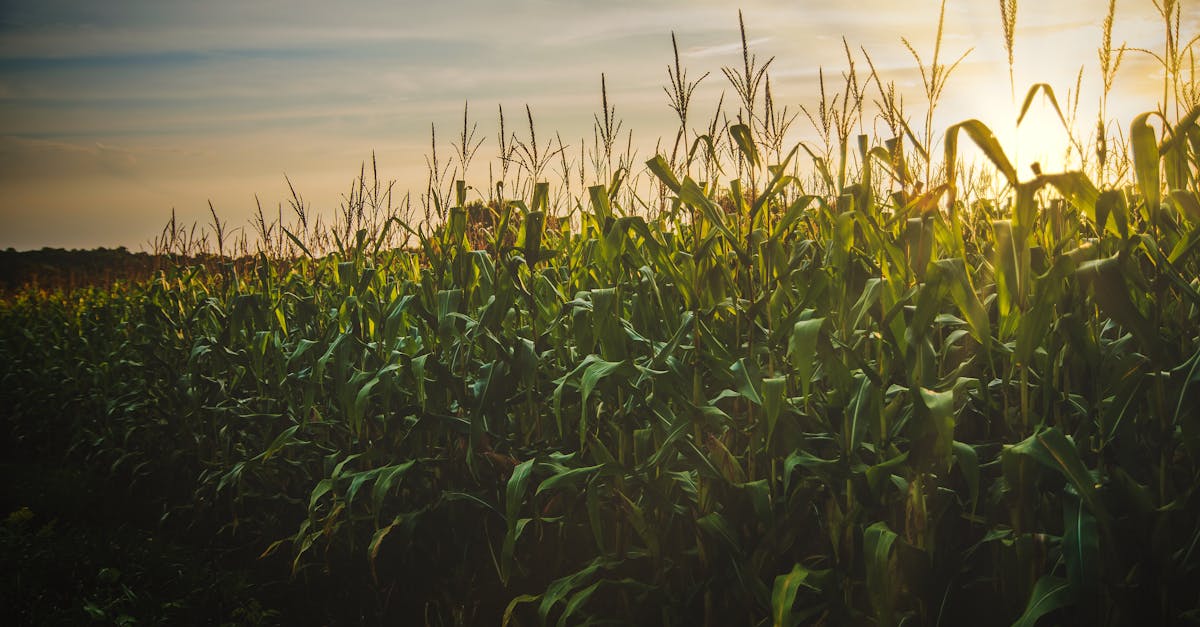
Corn (Zea mays) is a warm-season grass, and sweet corn is the kind most home gardens grow. It does well here in Southwest Missouri (Zones 6b–7a) once the soil has warmed, given full sun, rich soil and plenty of water. Corn is pollinated by the wind, not by insects, so the layout of the patch matters as much as the planting date: plant it in a block, never a single long row.
At a glance
- Sun: full sun, 6–8 or more hours a day
- Water: moderate to heavy; most important while tassels and silks are out
- Soil pH: 5.8–7.0
- Sow: directly in the garden, late April to early June, once the soil is 60°F
- Depth: 1–1½ inches; sprouts in 7–10 days
- Spacing: 8–12 inches apart, rows 30–36 inches apart, in blocks of at least 4 rows
- Harvest: 18–24 days after the silks appear; July to early September
- How many: 15–20 plants per person for fresh eating, 40–60 if you plan to preserve
- Containers: no; corn needs a block of plants to pollinate
Varieties that do well here
Our favorites for Southwest Missouri:
- Bodacious: a sweet, dependable yellow sweet corn.
- Silver Queen: a classic late white corn with rich flavor.
- Incredible: big ears with tender, sweet kernels.
Peaches and Cream, a bicolor, and Honey Select, a very sweet yellow, are also good choices. Supersweet (SH2) varieties don’t sprout well in cool soil, so wait for warm soil before sowing them.
If you want corn for cornmeal, grow a dent corn such as Reid’s Yellow Dent. Strawberry popcorn, with small red kernels, is a fun one to try.
Keep sweet corn at least 250 feet from field corn, or plant them so they mature at least 14 days apart. Supersweet types need the same separation from other sweet corn. When the wrong pollen reaches the silks, the kernels lose their sweetness and turn starchy.
When to plant
Around Springfield the average last spring frost is about April 10, and the first fall frost comes around October 22. Corn is tender: frost damages it, and seed sown too early, into cold soil, comes up poorly and grows weak.
- Sow from late April to early June, once the soil is 60°F or warmer and nights stay above 50°F.
- Plant again every 2 weeks, until early June, for a longer harvest.
Corn doesn’t transplant well, so always sow it where it will grow.
Soil and site
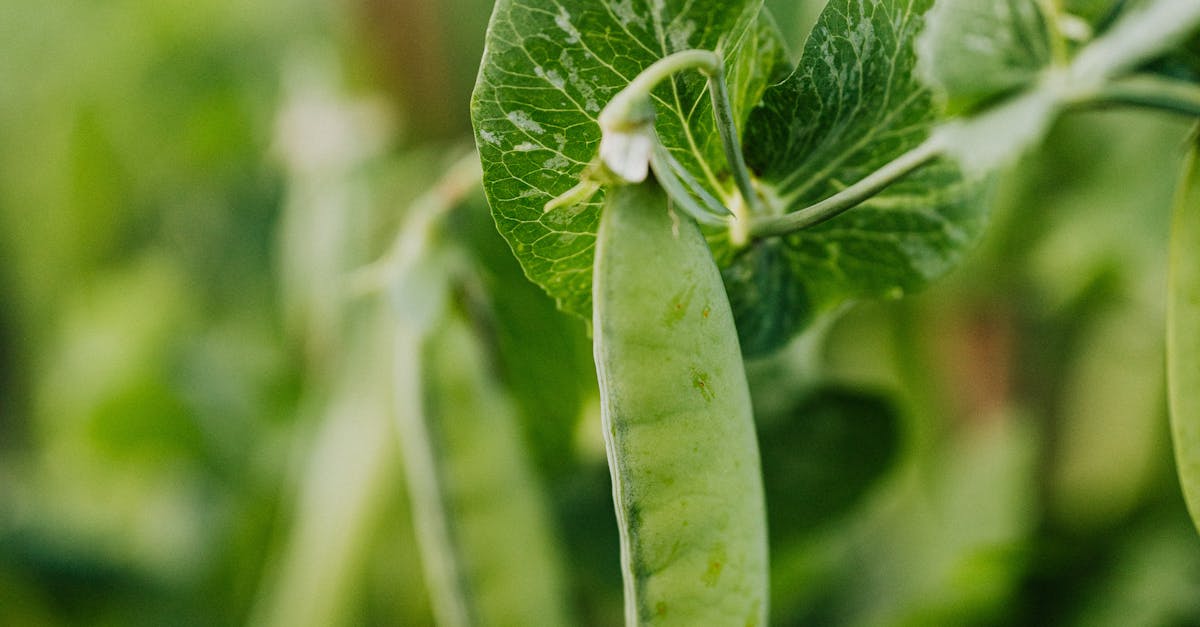
Corn grows tall and fast and is a heavy feeder. It wants deep, fertile, well-drained loam rich in organic matter, so work compost or aged manure deeply into the bed and loosen compacted ground. Give it full sun in an open spot. Corn does especially well following a crop of beans or peas, which leave nitrogen behind.
Planting
- Sow 2 seeds every 8–12 inches, 1–1½ inches deep, and thin to the stronger seedling.
- Plant at least 4 short rows side by side, 30–36 inches apart, rather than one long row. Pollen falls from the tassels onto the silks, and a block keeps it in the patch.
- Water right after planting, and cover the seeded bed with row cover until the seedlings are established.
Water, feeding and pollination
- Water deeply rather than often, about 1–1.5 inches a week. Don’t let the soil dry out while the tassels and silks are out; that’s when the ears are made.
- Mulch with straw or grass clippings to hold moisture and keep weeds down. Cultivate only shallowly, so you don’t cut the roots.
- Feed with compost at planting, then side-dress with compost or a nitrogen fertilizer when plants are knee-high and again when the tassels appear.
- Help pollination. Each strand of silk leads to one kernel, so ears with gaps mean pollen didn’t reach every silk. In a small patch, gently shake the stalks during tasseling.
Our spring and summer storms can knock corn flat. Blocks stand up to wind better than single rows, and sunflowers planted nearby give some shelter.
Good neighbors
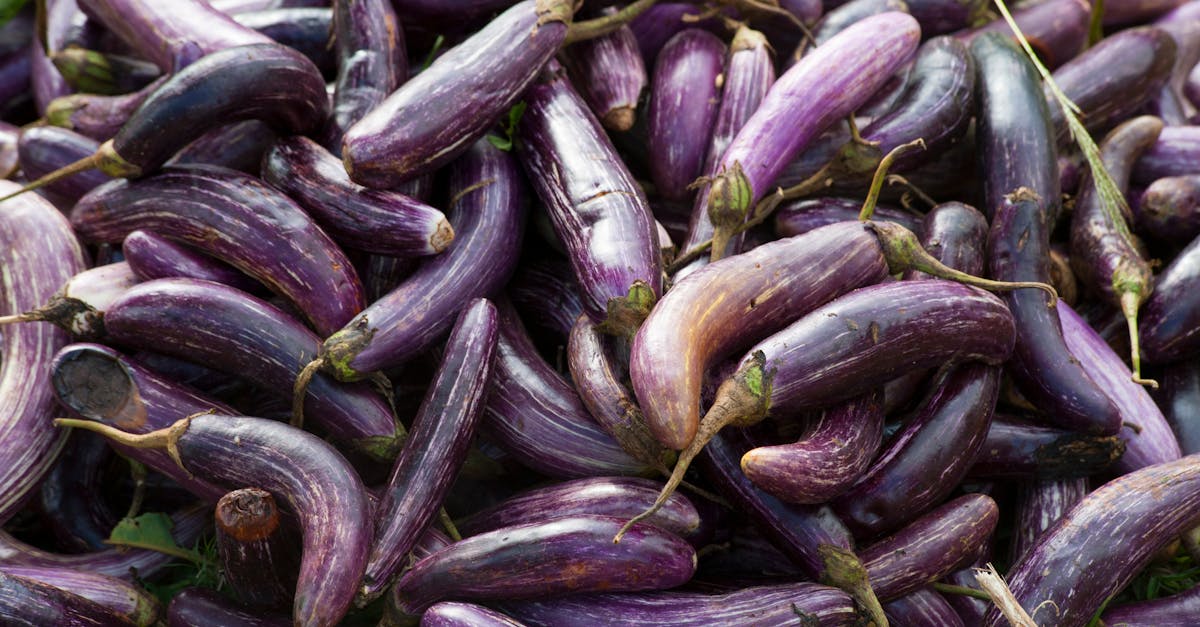
Beans (pole beans especially), squash, cucumbers, melons, pumpkins, sunflowers and dill all grow well with corn. Together corn, beans and squash make the Three Sisters, a traditional planting developed by Indigenous peoples of North America: the corn gives the beans a pole to climb, the beans add nitrogen and steady the stalks, and the squash shades out weeds and its prickly vines discourage raccoons. Nasturtiums, calendula, cosmos and zinnias bring in beneficial insects. Keep corn away from tomatoes, peppers and eggplant, which attract similar pests and compete heavily for nutrients.
Pests and diseases
Pests
- Corn earworms: caterpillars that feed on the tips of the developing ears. A drop of mineral oil on the silk tips helps deter them.
- Cutworms: cut young plants off at the base early in the season. A collar around each seedling stops them.
- Armyworms: chew the leaves and stalks.
- Raccoons: often the most destructive corn pest, stripping the ears just before they’re ready. A single strand of electric wire at the top and bottom of a fence is the most reliable deterrent.
Diseases
- Corn smut: swollen gray galls on ears and stalks, more common on stressed plants.
- Rust: reddish-brown spots on the leaves in humid weather.
- Stewart’s wilt: wilting and streaked leaves, spread by insects. Resistant varieties help.
Rotating crops, keeping the soil healthy, spacing plants properly and pulling out infected plants prevent most problems.
Harvest
Sweet corn is ready 18–24 days after the silks appear. The silks turn brown and dry while the husk stays green, and a kernel pressed with your thumbnail squirts milky juice. Snap the ear off with a firm twist and pull downward.
Pick in the cool of the morning and eat or preserve it quickly: the sugars start turning to starch as soon as the ear is picked. Leave dent corn and popcorn on the stalk until the kernels are hard and dry.
Storing and preserving
Keep ears in their husks in the refrigerator and use them within 3–5 days. To freeze, blanch whole ears for 7–11 minutes depending on size, or kernels cut from the cob for 4 minutes, then cool them in ice water and freeze. Corn is a low-acid vegetable, so can it only in a pressure canner. It also freeze-dries well. Dry dent corn on the cob, then shell and grind it for cornmeal.