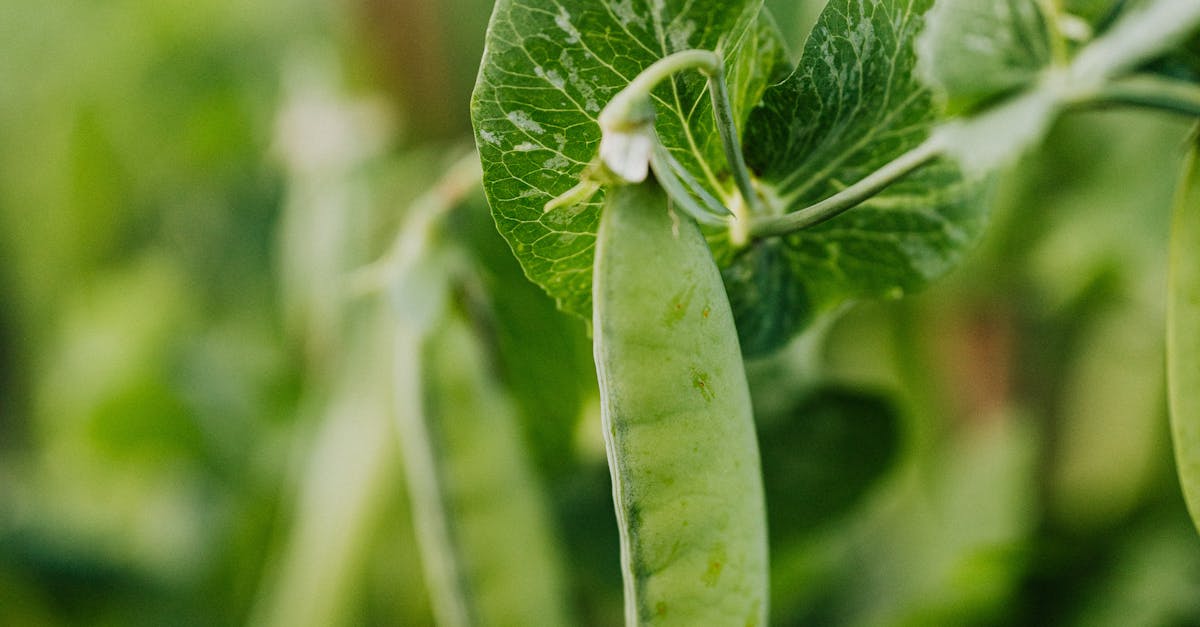
Growing Peas
Peas are a cool-season crop and one of the first things you can plant each year. Here in Southwest Missouri (Zones 6b–7a) our cool springs give them time to flower and set pods before the heat arrives, and a second sowing in August gives you a fall crop. They’re easy to grow, and as legumes they add nitrogen to the soil for whatever follows them. Plant early, give climbing types something to climb, and pick often.
At a glance
- Sun: full sun to part sun, 6 or more hours a day
- Water: moderate and consistent, especially while flowering and forming pods
- Soil pH: 6.0–7.5
- Sow: directly in the garden, late February to late March; for fall, in August
- Spacing: 2 inches apart, rows 18–24 inches apart
- Depth: 1 inch
- Harvest: 55–70 days; early May to early June, then early October to early November
- How many: 15–20 feet of row per person for fresh eating, 40–60 feet if you plan to preserve
- Containers: yes, with a trellis, in a pot at least 8 inches deep
Varieties that do well here
Peas come in three kinds. Shelling (English) peas are grown for the peas inside; the pods aren’t eaten. Snap peas have plump, sweet pods you eat whole. Snow peas have flat, tender pods, good in stir-fries. Each kind comes in dwarf (bush) types and taller climbing types that need a trellis.
Our favorites for Southwest Missouri:
- Sugar Snap: sweet, edible pods on tall vines.
- Green Arrow: a dependable shelling pea with long pods.
- Oregon Sugar Pod II: a disease-resistant snow pea.
Other good choices are Wando, a heat-tolerant shelling pea for late plantings, Lincoln, a high-yielding shelling pea, Sugar Ann, a compact, early snap pea for small gardens, and Mammoth Melting, a snow pea with large, sweet pods.
When to plant
Around Springfield the average last spring frost is about April 10, and the first fall frost comes around October 22. Peas are hardy: they tolerate light frost and sprout in cool soil, anywhere from 40°F to 75°F. They stop producing once summer heat arrives, so an early start pays off.
- Sow in spring from late February to late March, 4–6 weeks before the last frost, as soon as the soil can be worked.
- Sow in fall in August, for a second crop that ripens in October.
- Sow directly in the garden. Pea roots don’t like being disturbed, and direct-sown plants grow stronger. Seeds sprout in 7–14 days.
Soil and site
Peas grow best in full sun but take part sun, and a little shade helps them keep producing as the weather warms. They like loose, well-drained, loamy soil with moderate fertility. Drainage matters most: our heavy spring rains can rot peas in soggy ground, and raised beds help. Add compost lightly and skip heavy fertilizing. Peas make their own nitrogen, and too much gives you lush vines with few pods.
Don’t plant peas where peas or beans grew last year.
Planting
- Sow seeds 1 inch deep and 2 inches apart, in rows 18–24 inches apart.
- Put up a trellis, netting or stakes for climbing types at planting time, before the vines need it. Tall varieties like Sugar Snap need a trellis about 6 feet tall.
- A double row, with the two rows 8–10 inches apart on either side of a trellis, makes good use of the space.
Water and mulch
- Water to keep the soil evenly moist but not soggy, and water regularly while the plants are flowering and forming pods. Don’t let the soil dry out completely, and water at the base rather than over the leaves.
- Mulch with straw or shredded leaves to keep the roots cool, hold moisture and stop rain from splashing soil onto the plants.
- Skip the fertilizer. A little compost at planting is plenty.
Good neighbors
Carrots, radishes, turnips, cucumbers, lettuce, spinach and corn all grow well with peas, and lettuce and spinach fit nicely between the rows. Because peas add nitrogen to the soil, whatever you plant there next gets a boost. Alyssum and marigolds attract beneficial insects without crowding the vines. Keep peas away from onions, garlic, chives and leeks, which can stunt them and cut the harvest.
Pests and diseases
Pests
- Aphids: cluster on new growth and pods and spread viruses between plants. Wash them off with a spray of water.
- Pea weevils: the adults chew notches in the leaf edges, and the larvae feed inside developing pods. Hand-pick them when you spot them.
- Cutworms: cut seedlings off at the soil line at night.
Diseases
- Powdery mildew: a white, powdery coating on the leaves, worse in humid, still air.
- Fusarium wilt: plants yellow and wilt from the base up. It stays in the soil for years.
- Root rot: roots turn brown and mushy in poorly drained, waterlogged soil.
Rotating away from peas and beans each year, spacing plants for airflow, watering at the base and keeping the bed weeded prevent most of these.
Harvest
Peas pollinate themselves before the flowers even open, so pods form without any help from bees.
- Pick shelling peas when the pods are plump but still bright green.
- Pick snow peas while the pods are still flat and tender, and snap peas once the pods fill out but before they turn fibrous.
- Pick every 1–2 days. Frequent picking keeps the vines producing.
- Hold the vine with one hand and pick with the other, so you don’t damage the plant.
Storing and preserving
Peas taste sweetest the day they’re picked. Their sugars turn to starch quickly, so cook or freeze them soon after picking. For winter, blanch and freeze them, freeze-dry them, or pressure can shelling peas. You can also let some pods dry on the vine and save the mature peas for soup.