Growing Eggplant
Eggplant (Solanum melongena) is a heat-loving warm-season vegetable in the same family as tomatoes and peppers. It’s slow to get going, but once our Southwest Missouri summer (Zones 6b–7a) settles into steady heat, it bears well right up until frost. Two things matter most: don’t plant it out until the soil is truly warm, and keep the watering even.
At a glance
- Sun: full sun, 6–8 or more hours a day
- Water: moderate and consistent
- Soil pH: 5.8–6.8
- Start: indoors from seed, or buy transplants; direct-sown plants don’t do as well
- Spacing: 18–24 inches apart, rows 30–36 inches apart
- Plant out: May, once the soil is 65–70°F
- Harvest: 60–80 days after planting out, from early July through September and often until frost
- How many: 2–3 plants per person for fresh eating, 4–6 if you plan to preserve
- Containers: yes, a compact variety in a 5 gallon pot
Varieties that do well here
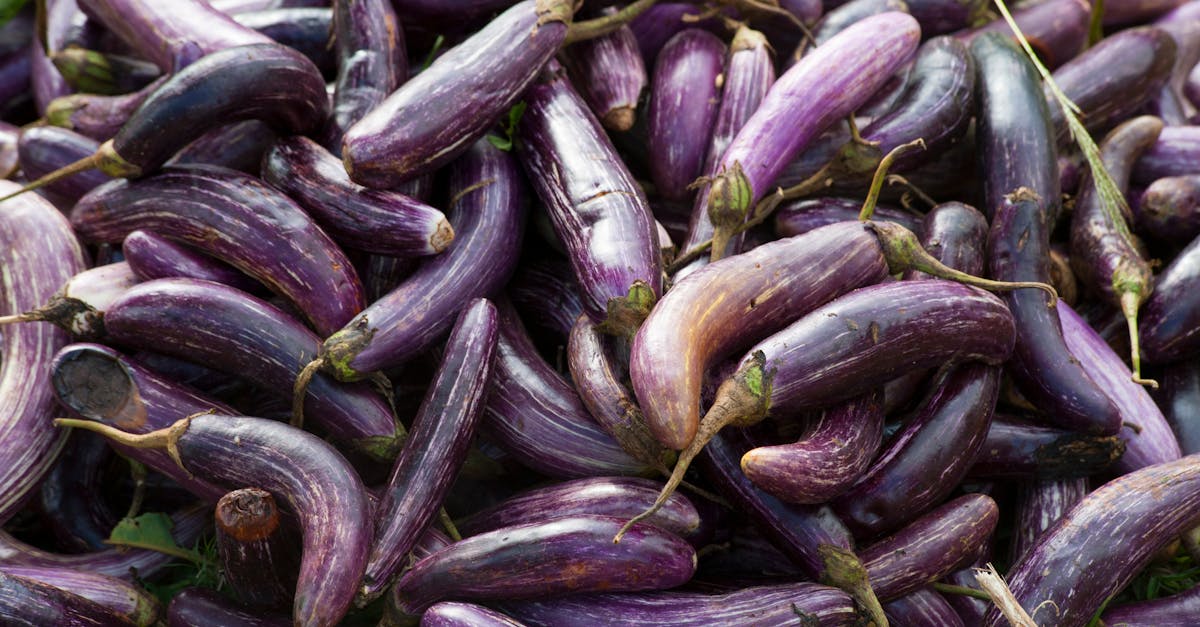
Eggplant comes in round globe types, long and slender Asian types, and smaller specialty kinds. Our favorites for Southwest Missouri:
- Black Beauty: the classic globe-shaped heirloom.
- Ping Tung Long: a long Asian type that loves the heat and produces heavily.
- Fairy Tale: compact plants with small, tender fruit, a good choice for a pot.
Other good choices are Dusky, an extra-early type with long fruit, Ichiban, a long, slender Asian eggplant, Classic and Epic, and Ghostbuster if you’d like to try white eggplant.
When to plant
Around Springfield the average last spring frost is about April 10, and the first fall frost comes around October 22. Eggplant is one of the most cold-tender crops in the garden. It wants soil of 65–70°F and nights above 55°F, which here usually means 2–4 weeks after the last frost.
- Start seeds indoors in late February to early March, 8–10 weeks before you plan to plant out. Sow them ¼ inch deep. They’re slow to sprout, taking 7–14 days.
- Harden off seedlings before they go out: start with an hour or two outdoors in the shade, then add a little more time and sun each day for 7–10 days.
- Plant out in May, after all danger of frost. Cold soil stunts the plants and delays fruiting, so there’s nothing gained by rushing them.
Soil and site
Give eggplant your warmest, sunniest, most sheltered spot; more sun means more flowers and better fruit. It wants rich, loamy soil with plenty of organic matter and excellent drainage. Work compost into the bed before planting, and go easy on nitrogen, which gives you leafy plants with little fruit.
Don’t plant eggplant where tomatoes, peppers or potatoes grew last year. They’re all in the same family and leave the same diseases in the soil.
Planting
- Set transplants at the same depth they grew in their pots.
- Space plants 18–24 inches apart, with 30–36 inches between rows, so air can move between them in our humid summers.
- Water well after planting.
- Cover young plants with floating row cover to keep flea beetles off. Take it off once the plants start to flower, so the bees can reach them.
Water and mulch
- Water deeply at the base of the plants, ideally with a drip line or soaker hose, and don’t let the soil dry out completely. Uneven watering hurts fruit quality, can make the fruit bitter, and leads to blossom end rot.
- Mulch heavily with straw or shredded leaves once the soil has warmed. It keeps the moisture steady and the weeds down.
Good neighbors
Basil, marigolds, beans and spinach all grow well near eggplant, helping keep pests away and making good use of the space. Marigolds and zinnias also bring in the bees. Eggplant flowers pollinate themselves, but bees and a little wind improve fruit set, and without them plants may drop their blossoms or make misshapen fruit. Keep eggplant away from fennel, corn and potatoes, which compete with it for nutrients or share its pests and diseases.
Pests and diseases
Pests
- Flea beetles: tiny beetles that chew small holes in the leaves, worst on young plants. Row cover until flowering keeps them off.
- Colorado potato beetles: strip the leaves. Check the plants daily and hand-pick the adults and the larvae.
- Aphids: cluster on new growth and curl the leaves. Rinse them off with water or use insecticidal soap.
Diseases
- Verticillium wilt: leaves yellow and wilt. It lives in the soil, so don’t replant eggplant or its relatives in the same spot.
- Phomopsis blight: tan spots on the leaves and sunken spots on the fruit, worse in warm, humid weather. Pick off affected fruit and leaves.
- Blossom end rot: a dark, sunken patch on the bottom of the fruit, caused by uneven watering.
Most of these are prevented the same way: rotate away from the tomato family each year, water evenly, mulch, and welcome ladybugs and lacewings. Healthy, unstressed plants hold up best.
Harvest
Pick eggplant while the skin is glossy and the fruit feels firm, before the seeds inside turn large and hard. Cut it from the plant with a sharp knife, leaving a short stem; pulling can damage the plant. Dull, matte skin means the fruit is overripe and may taste bitter. Picking often keeps the plants producing.
Storing and preserving
Eggplant is best used fresh, soon after picking, grilled, roasted or in stews. To keep it for winter, roast or grill slices and freeze them, or dehydrate the slices. Eggplant isn’t recommended for canning on its own.