Growing Asparagus
Asparagus (Asparagus officinalis) is a perennial vegetable and one of the first crops up in spring. It does well here in Southwest Missouri (Zones 6b–7a), and a well-made bed keeps producing for 15–20 years. Most of the work comes at the start: pick a permanent sunny spot, prepare the soil deeply, and give the plants two years to build their roots before you harvest in earnest.
At a glance
- Sun: full sun, 6–8 or more hours a day
- Water: moderate; steady moisture while new crowns get established
- Soil pH: 6.5–7.0
- Plant: 1- or 2-year-old crowns, late March to late April
- Spacing: 12–18 inches apart, rows 4–5 feet apart
- Depth: crowns 6–8 inches deep; shoots appear in 2–3 weeks
- Harvest: early April to early June, starting lightly the second spring
- Lifespan: 15–20 years or more
- How many: 10–15 crowns per person for fresh eating, 25–40 if you plan to preserve
- Containers: no; asparagus needs a deep, permanent bed
Varieties that do well here
Choose all-male varieties when you can. Male plants put their energy into spears instead of seed and produce more. Female plants grow red berries, which can self-seed into the bed.
Our favorites for Southwest Missouri:
- Jersey Knight: an all-male hybrid with heavy yields and strong disease resistance.
- Millennium: vigorous and long-lived; handles heat and clay well.
- Purple Passion: sweet, tender purple spears for fresh eating.
Jersey Giant, another mostly male hybrid from the same series, and Mary Washington, an old standard known for its flavor, are also good choices.
When to plant
Around Springfield the average last spring frost is about April 10, and the first fall frost comes around October 22. Asparagus crowns are dormant and hardy, so there’s no need to wait for the last frost.
- Plant crowns from late March to late April, as soon as the soil can be worked.
- Skip seed. Asparagus can be grown from seed, but it takes much longer to reach harvest size. Crowns give faster, more reliable results.
Soil and site
Choose the spot with care, since the bed will stay there for decades. It needs full sun (shade gives thinner spears and a smaller crop), excellent drainage, and loose, loamy soil high in organic matter. Give it a bed of its own, outside your yearly crop rotation, so its roots are never disturbed.
The roots can reach 6 feet deep, so prepare the soil well before planting. Clear out perennial weeds completely, because they are very hard to remove from an established bed. Work compost deeply into the planting area. Heavy clay needs a lot of organic matter mixed in; a raised bed also works if it’s deep enough.
Planting
- Dig a trench 6–8 inches deep and about 12 inches wide, and work compost into the bottom.
- Set crowns 12–18 inches apart, with the roots spread out like a spider. Leave 4–5 feet between rows.
- Cover with 2 inches of soil and water well.
- As the shoots grow through the summer, fill in the trench a little at a time until it’s level with the ground.
Water, mulch and feeding
- Water new crowns regularly through their first season so the soil stays evenly moist. Established plants are fairly drought tolerant but produce best with a deep watering in dry spells. Avoid soggy soil.
- Mulch with straw or compost to hold moisture and keep weeds down. Asparagus doesn’t compete well with weeds, so pull the ones that get through.
- Feed once a year, in late winter before spears appear, by top-dressing the bed with compost or aged manure. A balanced fertilizer at the same time gives an extra boost.
- Let the ferns grow. When the harvest ends, leave the spears to grow into tall, feathery ferns all summer. They feed the roots for next year’s crop.
Good neighbors
Tomatoes, basil, parsley, dill, marigolds and nasturtiums all grow well near asparagus. They help deter asparagus beetles and bring in beneficial insects, and calendula and cosmos do the same. Keep onions, garlic, leeks and potatoes away from the bed: they compete for nutrients and can slow the asparagus down.
Pests and diseases
Pests
- Asparagus beetles: small beetles with black and orange markings. They and their gray-green larvae chew the spears and strip the ferns, and they lay tiny dark eggs on the spear tips. Hand-pick beetles and larvae and brush off the eggs; use neem oil only sparingly.
Diseases
- Fusarium crown rot: weak growth and shrinking harvests, brought on by poor drainage or stressed plants.
- Rust: orange or rust-colored spots on the ferns, more common in humid weather.
Good drainage, proper spacing, watering at the base instead of overhead, and clearing away the old ferns each year prevent most of these.
Harvest
Be patient with a new bed. The roots it builds in the first two years carry it for the next twenty.
- Year 1: don’t harvest. Let every spear grow into a fern.
- Year 2: harvest lightly, for about 2 weeks.
- Year 3: harvest for 4–6 weeks.
- Year 4 on: harvest for 6–8 weeks, from early April into early June. Stop when new spears come up thinner than a pencil.
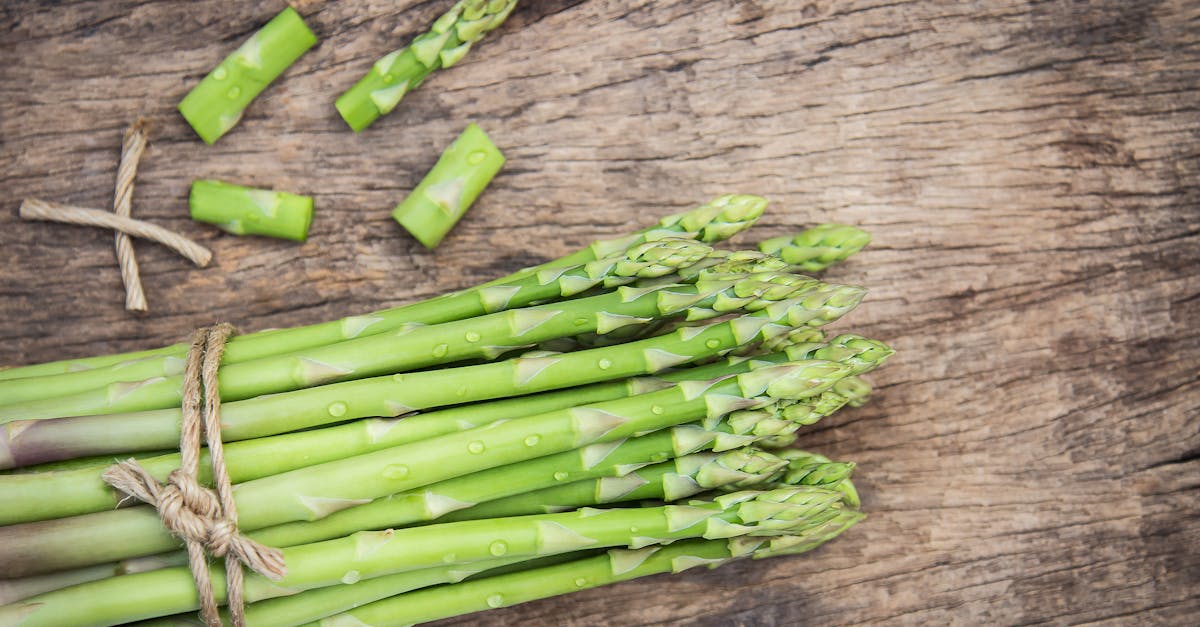
Cut or snap spears at soil level when they’re 6–10 inches tall, before the tips begin to open. Morning picking gives the best texture. If a late frost is forecast once spears are up, cover them with straw or row cover overnight, and cut off any the frost damages; new ones will follow.
Storing and preserving
Wrap the cut ends in a damp paper towel, put the spears in a plastic bag and refrigerate them. They keep 5–7 days. To freeze, blanch the spears for 2–4 minutes depending on thickness, cool them in ice water and freeze. Asparagus also pickles well, and you can pressure can it or freeze-dry it for snacks and soups.
Winter and bed care
Leave the ferns standing through fall; they keep feeding the roots until frost turns them brown. In late winter, before new spears come up, cut the dead ferns to the ground and take them out of the garden, because asparagus beetles spend the winter in the old stalks. Then give the bed its yearly top-dressing of compost. Established crowns handle our winters without help, though a layer of straw over a first-year bed gives the young crowns some extra protection.