Growing Basil
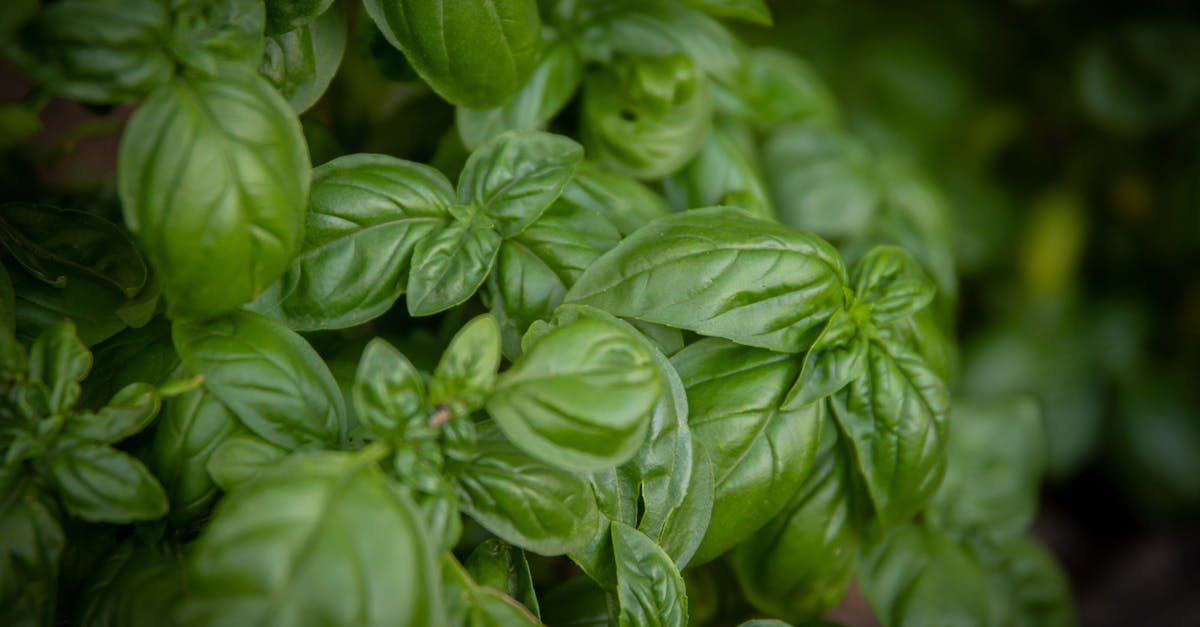
Basil (Ocimum basilicum) is a warm-season annual herb that grows fast in our Southwest Missouri summers. It loves heat and sun, can’t take even a light frost, and the more you pick it, the bushier it gets. Get the timing right and it will keep you in pesto until fall.
At a glance
- Sun: full sun to part sun, 6–8 hours a day
- Water: moderate and steady
- Soil pH: 6.0–7.0
- Start: indoors from seed (best), or sow outdoors once nights stay warm
- Spacing: 12 inches apart
- Plant out: after all danger of frost, once nights stay above 50°F
- Harvest: 60–75 days from seed, then all summer until frost
- How many: 2–4 plants for fresh use, 6–10 if you plan to dry it or make pesto
- Containers: yes, a 1–3 gallon pot
Varieties that do well here
- Prospera: a Genovese-type basil bred to resist downy mildew, a big problem in our humid summers. If you’ve lost basil to mildew before, start here.
- Genovese: the classic large-leaf basil for pesto.
- Thai Siam Queen: spicy, with an anise flavor. It handles heat well and the bees love it.
Purple and lemon basil grow the same way and add color and a citrus scent.
When to plant
Basil needs warmth to sprout and grow: a soil temperature of 65°F or more.
- Start seeds indoors 6–8 weeks before you plan to plant out. Sow them ¼ inch deep; they sprout in 5–10 days.
- Plant out after all danger of frost, once nights stay above 50°F. Our average last frost is around April 10, but basil sulks in a cold spell even without frost, so most years that means May.
- Sow outdoors instead, if you like, once the weather is reliably warm.
Soil and site
Basil likes rich, well-drained soil with moderate fertility. Mix in compost before planting, and avoid heavy clay or spots that stay soggy. Raised beds and containers both work well. Give it full sun; in the hottest part of summer, a little afternoon shade helps.
Planting
- Space plants 12 inches apart so air can move between them. Good airflow is your best protection against mildew.
- Set transplants at the same depth they grew in their pots.
- Water well after planting.
Water, mulch and pinching
- Water when the top inch of soil feels dry, and don’t let it dry out completely. Water at the base rather than over the leaves.
- Mulch with straw or shredded leaves to hold moisture, keeping it an inch or two away from the stems.
- Pinch off flower buds as they appear, unless you’re saving seed. Once basil flowers, it puts its energy into seed instead of leaves.
Good neighbors
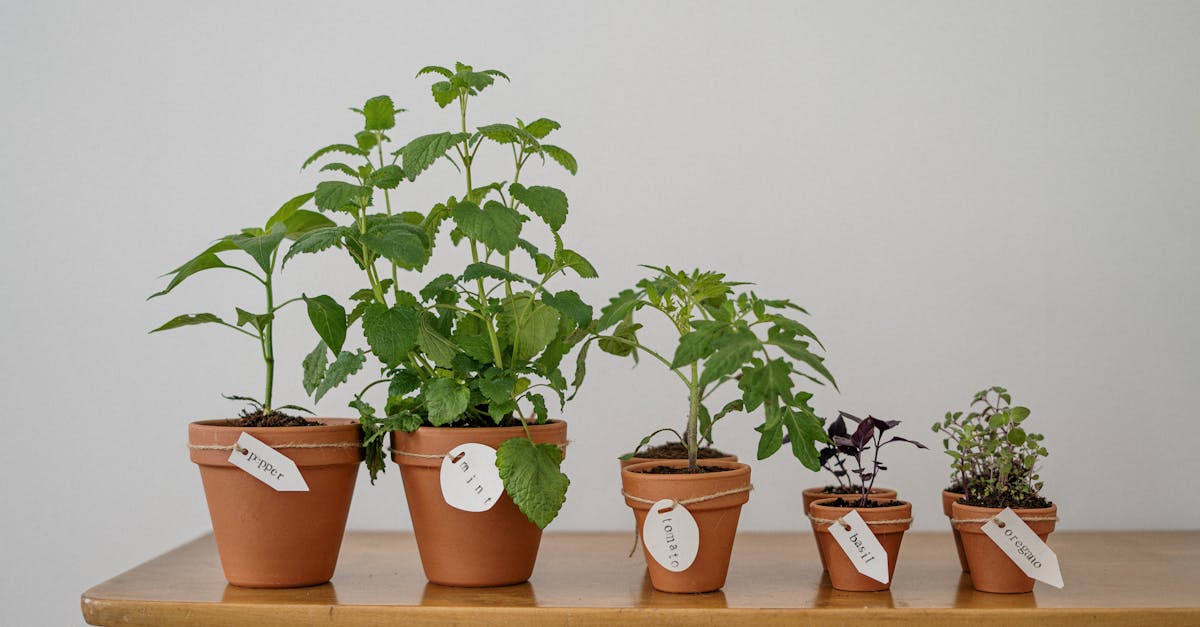
Basil is one of the best companion plants in the garden. Grow it with tomatoes, peppers, eggplant, lettuce, spinach, asparagus and marigolds; next to tomatoes it’s said to improve their flavor and help keep pests away. Keep it away from rue, which can stunt basil and spoil its flavor, and give it a separate spot from oregano, thyme and rosemary, which like leaner, drier soil than basil does. If you let a few plants flower, the bees will thank you.
Pests and diseases
Pests
- Aphids: cluster on tender tips and leave the leaves sticky. Spray them off with water or use insecticidal soap.
- Japanese beetles: chew leaves down to the veins. Knock them into a cup of soapy water in the morning, when they’re slow.
- Slugs: eat young plants, especially in damp weather.
Diseases
- Downy mildew: leaves turn yellow, with gray fuzz underneath. It’s common in humid weather. Grow resistant varieties like Prospera and pull out infected plants.
- Fusarium wilt: plants yellow and wilt. Don’t plant basil in the same spot the next year.
Good spacing, airflow and watering at the base prevent most problems.
Harvest
- Start picking once plants are 6–8 inches tall.
- Pinch or cut each stem just above a pair of leaves; two new shoots will grow from that spot.
- Pick often, and never take more than a third of the plant at once.
Storing and preserving
Basil is best fresh and fades quickly once cut. Keep stems in a jar of water on the counter, like cut flowers. Don’t refrigerate it: the cold turns the leaves black.
To keep it for winter, freeze chopped leaves in olive oil or water (ice cube trays work well), make and freeze pesto, or dry the leaves. To dry, hang small bunches upside down somewhere warm, dry and airy for 1–2 weeks, then store them in airtight jars and use within a year.
Winter
Basil is an annual here and dies with the first frost, around October 22 on average. Before then, pot up a plant for a sunny windowsill or root a few cuttings in a glass of water.