Growing Borage
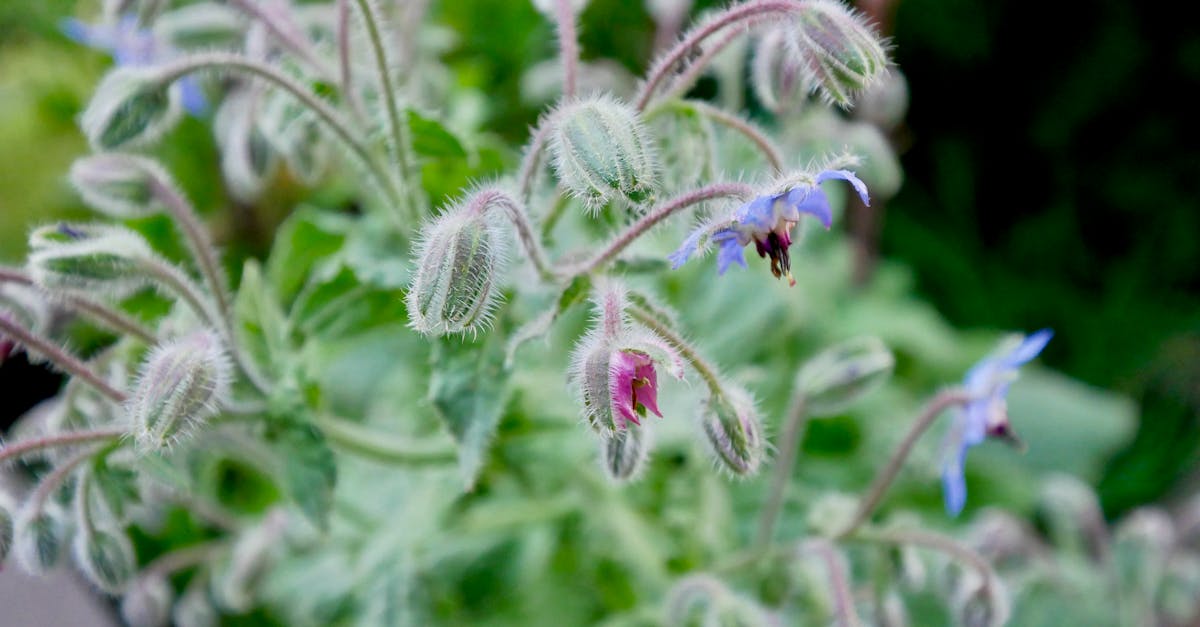
Borage (Borago officinalis) is a fast-growing annual herb with fuzzy gray-green leaves and clusters of star-shaped blue flowers. It loves our warm Southwest Missouri summers (Zones 6b–7a), grows with almost no care, and is one of the best plants you can add to a vegetable garden to bring in bees. Sow it right where it will grow, give it room to sprawl, and it will usually reseed itself for next year.
At a glance
- Sun: full sun to part sun, 6 or more hours a day
- Water: moderate; established plants handle short dry spells
- Soil pH: 6.0–7.5
- Sow: directly in the garden after the last frost; it doesn’t like being transplanted
- Spacing: 18–24 inches apart, rows 24–36 inches apart
- Depth: ½ inch; sprouts in 5–10 days
- Harvest: first flowers 50–60 days from seed, then from June into October
- How many: 1–2 plants for fresh use, 2–3 if you plan to preserve the flowers
- Containers: yes, one plant in a 5 gallon pot
Varieties that do well here
- Common blue borage: the classic, a heavy bloomer and the one the bees know best.
- White borage (Alba): white flowers, just as popular with bees.
- Variegated borage: leaves splashed with cream, pretty in an ornamental bed.
When to plant
Borage is a warm-season annual, and frost kills it. Around Springfield the average last spring frost is about April 10, and the first fall frost comes around October 22.
- Sow outdoors from late April through May, once frost is past and the soil has warmed to 60–70°F.
- Sow again in early summer for flowers into fall.
- Skip starting it indoors. Borage grows a taproot and resents being moved, so it does best sown where it will grow.
Soil and site
Borage grows in almost any well-drained soil; loam or sandy loam is best. There’s no need to amend average garden soil, and rich soil works against you: it makes big, floppy plants. Avoid spots that stay soggy.
Give it full sun for the most flowers, though it takes a little afternoon shade in midsummer. The ends of vegetable rows and the edges of beds are good spots. It’s tough and forgiving there, and it’s close to the crops it helps.
Planting
- Sow seeds ½ inch deep. They sprout in about a week.
- Thin seedlings to 18–24 inches apart. Plants grow 18–36 inches tall and 2–3 feet wide.
- Keep the soil moist until the seedlings are up.
- Wear gloves when you thin or handle borage. The bristly leaves and stems can irritate your skin.
Water and care
- Water during dry spells. Established plants handle short droughts, and too much water leads to root rot.
- A thin layer of mulch holds moisture and keeps weeds down. Keep it off the stems.
- Skip the fertilizer. Extra nitrogen gives you leafy, floppy plants and fewer flowers.
- Plants can flop after a heavy rain. A short stake helps, or plant a few together so they hold each other up.
- Pick off spent flowers to keep new ones coming, but leave a few to set seed for next year.
Good neighbors
Borage gets along with nearly every plant in the garden. Grow it near tomatoes, squash, zucchini, cucumbers, strawberries and beans; the bees it brings in improve fruit set on squash, cucumbers, tomatoes and strawberries. It has no bad neighbors of note, but it sprawls, so don’t crowd small plants beside it. Calendula, zinnias and cosmos bloom alongside it and keep pollinators coming all season.
Pests and diseases
Pests
- Aphids: show up now and then on stems and flower buds. Spray them off with water.
- Japanese beetles: chew the leaves in midsummer. Knock them into a cup of soapy water in the morning, when they’re slow.
Diseases
- Powdery mildew: a white coating on the leaves late in the season. Pull plants once they’re spent in late summer.
- Root rot: only in soggy soil. Good drainage and a light hand with the hose prevent it.
Space plants for airflow, water at the base and don’t overwater, and borage rarely gives you trouble.
Harvest
- Pick flowers in the morning, once they’re fully open.
- Pick young leaves while they’re small and tender. Older leaves get hairy, but young ones can be cooked like spinach.
- Keep picking and you’ll have flowers from June until frost.
The flowers and young leaves taste like cucumber. Add the flowers to salads, lemonade and other summer drinks. Enjoy borage in food amounts only. It contains small amounts of pyrrolizidine alkaloids, so avoid large or regular medicinal use, and avoid it while pregnant or nursing. Talk with your healthcare provider before using any herb medicinally.
Storing and preserving
Borage flowers are best fresh and wilt within a day, so pick them shortly before you use them. To keep them longer, freeze them in ice cubes for summer drinks or candy them with sugar. Drying isn’t worth the trouble: dried borage loses most of its flavor and color.
For next year, let a few plants go to seed. Borage self-seeds freely; in spring, thin the volunteers and keep the ones you want. You can also let a few seed heads dry on the plant, collect the seeds and store them somewhere cool and dry.