Growing Cilantro
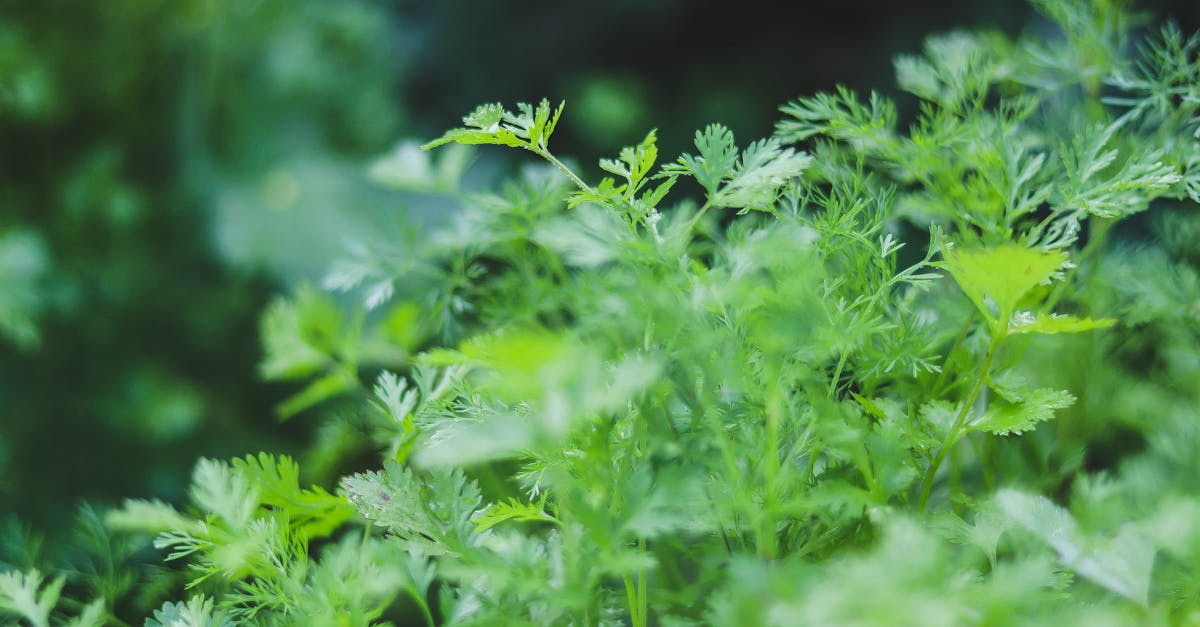
Cilantro (Coriandrum sativum) is a fast-growing, cool-season annual grown for its leaves (cilantro) and its seeds (coriander). Here in Southwest Missouri (Zones 6b–7a) it does best in spring and fall and bolts quickly once summer heat arrives. Sow it early, sow it again every few weeks, and plant a second round in late summer, and you’ll have leaves through much of the year.
At a glance
- Sun: full sun to part sun; 4–6 hours is enough, and afternoon shade slows bolting
- Water: moderate and even
- Soil pH: 6.2–6.8
- Sow: directly in the garden only; it doesn’t transplant well
- Spacing: 4–6 inches apart, rows 12 inches apart
- Depth: ¼–½ inch; sprouts in 7–10 days
- Harvest: leaves in 50–55 days; late April to early June in spring, October into November in fall
- How many: a 3 foot row every 3 weeks for fresh use, plus a 6 foot row if you want coriander seed
- Containers: yes, in a pot at least 8 inches deep
Varieties that do well here
- Calypso: one of the slowest cilantros to bolt.
- Santo: dependable and slow to bolt.
- Leisure: bred for a longer harvest as the weather warms.
Confetti is a compact type for small spaces, and seed sold simply as “Slow Bolt” is another good choice for spring.
When to plant
Cilantro is a cool-season annual that handles light frost, so you don’t need to wait for our average last frost (about April 10) to sow it. The first fall frost comes around October 22, and a fall crop keeps going past it.
- Spring: sow from early March through April, as soon as the soil can be worked. Seeds sprout in soil from 50 to 75°F.
- Fall: sow again from late August through September.
- Sow every 2–3 weeks within each season. One sowing gives you only a few weeks of leaves before it bolts.
- Don’t start it indoors. Cilantro has a long taproot, and direct-sown plants are healthier and slower to bolt.
Soil and site
Cilantro likes loose, well-drained loam with moderate fertility. A light dressing of compost is plenty; rich soil makes it bolt sooner. Rake out rocks and clods so the taproot can grow straight down. Loose soil matters more than rich soil.
Pick a spot with sun in the morning and some shade in the afternoon if you can, especially for late spring sowings. Heat cuts leaf production and hurries the plants into flower.
Planting
- Sow seeds ¼–½ inch deep in rows 12 inches apart.
- Thin seedlings to 4–6 inches apart. In a raised bed planted in a grid, that’s about 9 plants per square foot.
- Keep the soil evenly moist until the seedlings are up, usually in 7–10 days.
Water and mulch
- Keep the soil evenly moist, and don’t let it dry out completely.
- Don’t overwater either. Soggy soil leads to root rot.
- Mulch to keep the soil cool and moist, which helps most in late spring.
- Cilantro grows fast and needs little or no feeding.
Good neighbors
Cilantro grows well with lettuce, spinach, carrots, beets, peas, cabbage, broccoli, kale and dill. Let a few plants flower: the blooms bring in hoverflies and parasitic wasps that help control pests, and alyssum, calendula and cosmos nearby support the same insects. Keep cilantro away from fennel, which slows the growth of many plants, cilantro included.
Pests and diseases
Pests
- Aphids: cluster on tender growth, usually in small numbers. Spray them off with water.
- Leafhoppers: leave fine pale speckles (stippling) on the leaves.
Diseases
- Powdery mildew: a white coating on the leaves in humid weather.
- Leaf spot: spots on the leaves, also worse in humid weather.
Proper spacing, good airflow and watering at the soil rather than over the leaves prevent most of these.
Harvest
- Start picking once plants are 4–6 inches tall.
- Cut the outer leaves first and leave the center to keep growing. Regular picking makes bushier plants.
- Stop picking leaves once the plant starts to bolt, sending up a flower stalk.
- For coriander, let a few plants flower and set seed. Cut them when the seeds are dry and tan, and let them finish drying before you collect the seeds.
Use the leaves in salsa, tacos, curries, rice and beans, and the seeds as coriander spice. Coriander seed tea is traditionally used to ease minor digestive upset. Culinary amounts are safe for nearly everyone; talk with your healthcare provider before using herbs medicinally if you’re pregnant, nursing or taking medication.
Storing and preserving
Stand fresh cilantro upright in a jar of water in the refrigerator, loosely covered. Change the water every few days and it keeps 1–2 weeks. For longer storage, freeze chopped leaves in oil or water in ice cube trays. Skip drying the leaves: dried cilantro loses most of its flavor, and freezing works far better. Store dried coriander seed in an airtight jar somewhere cool and dark.
Let a few plants go to seed each year. You’ll get coriander for the kitchen and food for pollinators in return.