Growing Beets
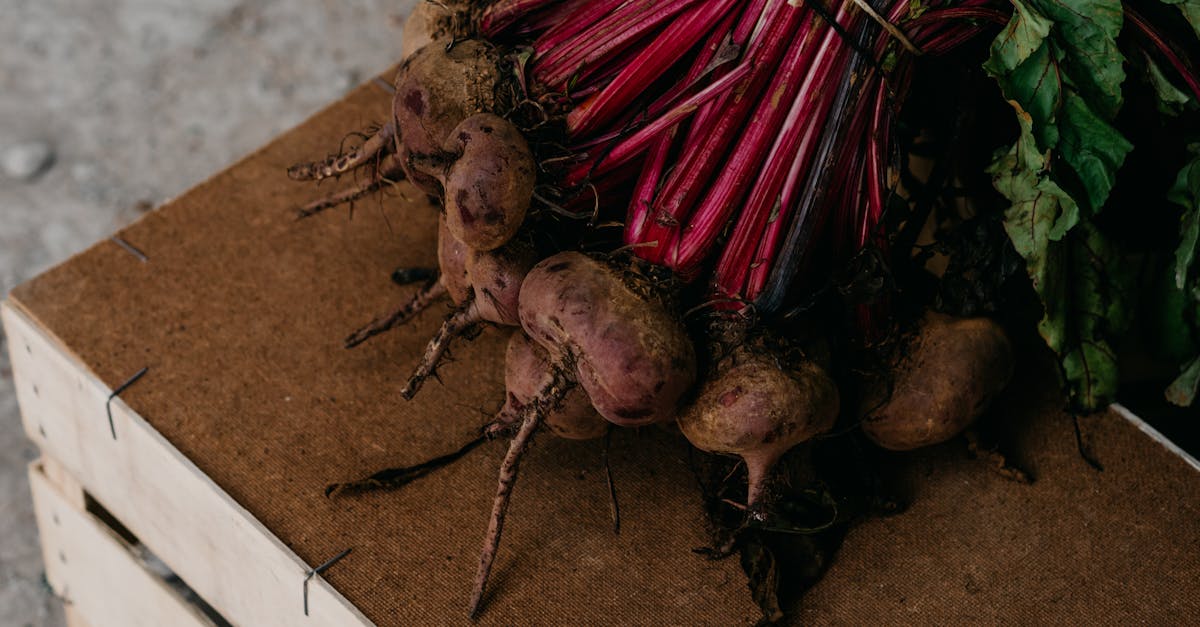
Beets (Beta vulgaris) are a cool-season root crop, and both the sweet, earthy roots and the leafy tops are good to eat. Here in Southwest Missouri (Zones 6b–7a) they do best sown in early spring and again in late summer for fall. Loose, rock-free soil and steady moisture are what give you smooth, tender roots.
At a glance
- Sun: full sun to part shade, 6 or more hours a day
- Water: moderate and steady, about 1 inch a week
- Soil pH: 6.0–7.0
- Sow: directly in the garden, late March to late April, and again in August
- Depth: ½ inch; sprouts in 5–10 days
- Spacing: thin to 3–4 inches apart, rows 12–18 inches apart
- Harvest: 50–70 days from sowing; late May to early July, and October into November
- How many: 10–15 feet of row per person for fresh eating, 20–30 feet if you plan to preserve
- Containers: yes, in pots at least 8–10 inches deep
Varieties that do well here
Our favorites for Southwest Missouri:
- Detroit Dark Red: dependable, smooth roots that store well.
- Chioggia: a sweet Italian heirloom with red and white candy-cane rings inside.
- Touchstone Gold: mild golden roots that don’t bleed.
Cylindra, a long, cylinder-shaped beet that’s easy to slice, and small, quick types like Little Ball and Mini Ball for baby beets are also worth growing.
When to plant
Around Springfield the average last spring frost is about April 10, and the first fall frost comes around October 22. Young beets handle a light frost once they’re up, so they go in a few weeks before the last frost.
- Spring: sow from late March to late April. The soil should be at least 50°F; in cold, wet soil seeds are slow to come up.
- Succession: sow a short row every 2–3 weeks through spring for a steady supply.
- Fall: sow again in August for a fall crop.
Always sow beets where they’ll grow. They don’t like their roots disturbed, so they’re almost never started indoors.
Soil and site
Beets want loose, well-drained soil, ideally a sandy loam. Remove rocks and break up clods before you sow; anything in the way of the root makes it misshapen. Work in compost or aged manure, but skip fresh manure and high-nitrogen fertilizers. Full sun is best. In warm weather a little afternoon shade helps keep beets from bolting.
Planting
- Soak seeds in warm water for 12–24 hours before planting to help them sprout.
- Sow ½ inch deep and 1–2 inches apart, in rows 12–18 inches apart, into moist soil.
- Each beet “seed” is really a cluster of several seeds, so a few seedlings come up together. When they’re 2–3 inches tall, thin them to one plant every 3–4 inches.
- Eat the thinnings as baby greens.
Water, mulch and feeding
- Water about 1 inch a week, and don’t let the soil dry out completely. Uneven watering gives tough, woody roots. A soaker hose or drip line waters without washing out the seed.
- Mulch between the rows to hold moisture, and keep the bed weeded; beets don’t compete well with weeds.
- Feed lightly. Compost worked in before sowing is usually enough. Too much nitrogen gives you big leaves and small roots.
Good neighbors
Onions, garlic, lettuce, the cabbage family, bush beans and sage all grow well with beets, and onions and garlic help deter some of their pests. Alyssum and calendula nearby bring in beneficial insects. Keep beets away from pole beans and mustard: pole beans and beets tend to stunt each other when planted together.
Pests and diseases
Pests
- Leaf miners: leave winding tunnels in the leaves. The damage is mostly cosmetic, and the roots aren’t affected.
- Flea beetles: chew small holes in the leaves and do the most harm to young seedlings. Row covers keep them off.
- Aphids: cluster on leaves and stems and can spread plant viruses. Spray them off with water.
Diseases
- Cercospora leaf spot: small spots with tan centers, common in humid weather.
- Downy mildew: yellow patches on the leaves with gray fuzz underneath.
- Scab: rough, corky patches on the roots.
Rotating crops each year, leaving room for air between plants, keeping the bed weeded and watering at the base prevent most problems.
Harvest
Beets are ready 50–70 days after sowing. Pull them when the roots are 1–3 inches across; beets left in the ground too long turn woody and lose their sweetness. If the soil is firm, loosen it with a garden fork first. You can pick a few young leaves for greens along the way without harming the root.
Fall beets hold well in the garden. Grown plants survive down to about 20–25°F, and mulch and a cover stretch the harvest further, but dig the rest before deep cold sets in.
Storing and preserving
Twist off the tops, leaving an inch or two of stem so the roots don’t bleed or dry out, and don’t wash them. Store the roots cold and humid: in the refrigerator, or packed in damp sand or sawdust in a cool root cellar, where they keep for months. Keep the greens separately and use them as you would spinach or chard.
For the pantry, pickle beets, pressure can them, or roast and freeze them.