Growing Broccoli
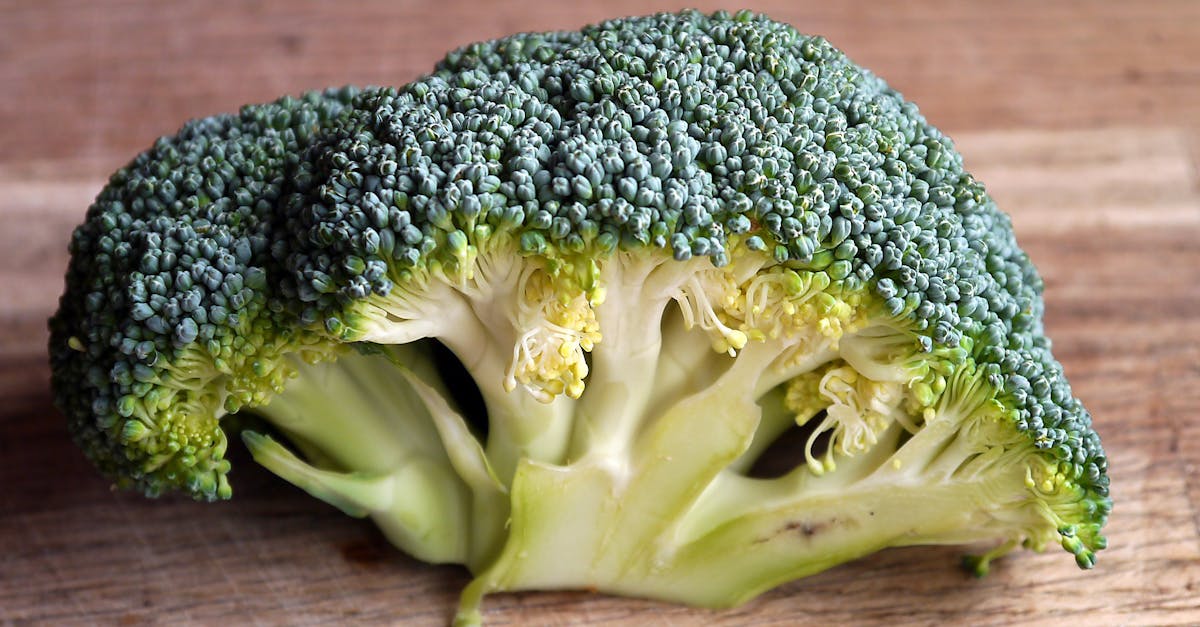
Broccoli (Brassica oleracea var. italica) is a cool-season crop grown for its tight heads of flower buds. Here in Southwest Missouri (Zones 6b–7a) it does best in spring and fall, because summer heat makes the heads bolt and turn bitter. Start plants indoors so they go out on time, keep them watered and fed, and most varieties will keep making side shoots for weeks after you cut the main head.
At a glance
- Sun: full sun, 6 or more hours a day
- Water: steady, about 1–1.5 inches a week
- Soil pH: 6.0–7.0
- Start: indoors from seed, or buy transplants
- Spacing: 18 inches apart, rows 24–36 inches apart
- Plant out: late March to early April for spring; late July to early August for fall
- Harvest: 60–90 days; late May to late June, and October into early November
- How many: 3–5 plants per person for fresh eating, 10–15 if you plan to preserve
- Containers: yes, one plant per 5-gallon pot
Varieties that do well here
Our favorites for Southwest Missouri:
- Green Magic: heat-tolerant heads for spring plantings.
- Belstar: tight heads plus plenty of side shoots.
- Arcadia: very cold-hardy, excellent for fall.
Other good choices are Packman, an early variety with compact heads; Di Cicco, an Italian heirloom with smaller heads and lots of side shoots; and the classic large-headed Calabrese.
When to plant
Around Springfield the average last spring frost is about April 10, and the first fall frost comes around October 22. Broccoli is hardy and takes frost down into the mid 20s°F, so spring plants go out before the last frost.
- Spring: start seeds indoors in February, ¼–½ inch deep; they sprout in 5–10 days. Plant out from late March to early April, once seedlings have 4–5 true leaves. Keep row cover handy for cold snaps.
- Fall: start seeds indoors again in late June to early July, and plant out from late July to early August. The heads form as the weather cools.
- Harden off seedlings before planting out: set them outside for an hour or two in the shade, then a little longer and in more sun each day, for 7–10 days.
Soil and site
Broccoli is a heavy feeder. Give it fertile, well-drained loam rich in organic matter, and work in compost or aged manure before planting. Full sun is best, though a little afternoon shade helps in a hot spell. Don’t plant it where broccoli or any of its cabbage-family relatives grew last year.
Planting
- Space plants 18 inches apart, with 24–36 inches between rows. Good airflow helps keep disease down.
- Water well right after planting.
- Cover new transplants with floating row cover to keep cabbage worms and flea beetles off.
Water, mulch and feeding
- Water deeply and evenly, about 1–1.5 inches a week, at the base of the plant. Letting the soil dry out gives small, loose heads.
- Mulch to hold moisture, keep the soil cool and keep weeds down.
- Feed with compost at planting, then side-dress with more compost about 3 weeks after transplanting and again when the heads begin to form.
Good neighbors
Onions, garlic, celery, beets, chamomile and dill all grow well with broccoli; the strong scents of alliums and herbs help repel common pests. Alyssum and calendula nearby bring in beneficial insects. Keep broccoli away from tomatoes, peppers and strawberries, which compete with it for nutrients.
Pests and diseases
Pests
- Cabbage worms: green caterpillars that chew large holes in the leaves, most active in warm weather. Hand-pick them. Bt (Bacillus thuringiensis), a natural bacterium that affects only caterpillars, is a good last resort.
- Aphids: cluster on the undersides of leaves and cause curling and stunted growth. Spray them off with water.
- Flea beetles: speckle young leaves with small holes; worst on seedlings and new transplants.
Diseases
- Clubroot: swollen, distorted roots. It stays in the soil for years, so rotation is the main defense.
- Black rot: yellow, V-shaped patches on the leaves. It spreads in warm, wet weather.
- Downy mildew: yellow patches on the leaves with gray fuzz underneath.
Row covers early in the season, a new spot each year away from other cabbage-family crops, good spacing and staying out of the bed while the leaves are wet prevent most of these.
Harvest
Cut the central head while its buds are still tight and green, before any start to open or turn yellow; once they do, the flavor fades quickly. Use a sharp knife and leave several inches of stem. Pick in the morning for the best flavor and texture.
Side shoots keep coming for weeks after the main head is cut. Harvest them the same way while their buds are tight. Fall plants shrug off light frost; if temperatures in the low 20s are forecast, cover them or cut what’s ready.
Storing and preserving
Refrigerate broccoli and use it within about a week. To freeze, blanch the florets for 3 minutes, cool them in ice water, drain and freeze in airtight bags. Broccoli also freeze-dries well. It isn’t recommended for canning.