Growing Brussels Sprouts
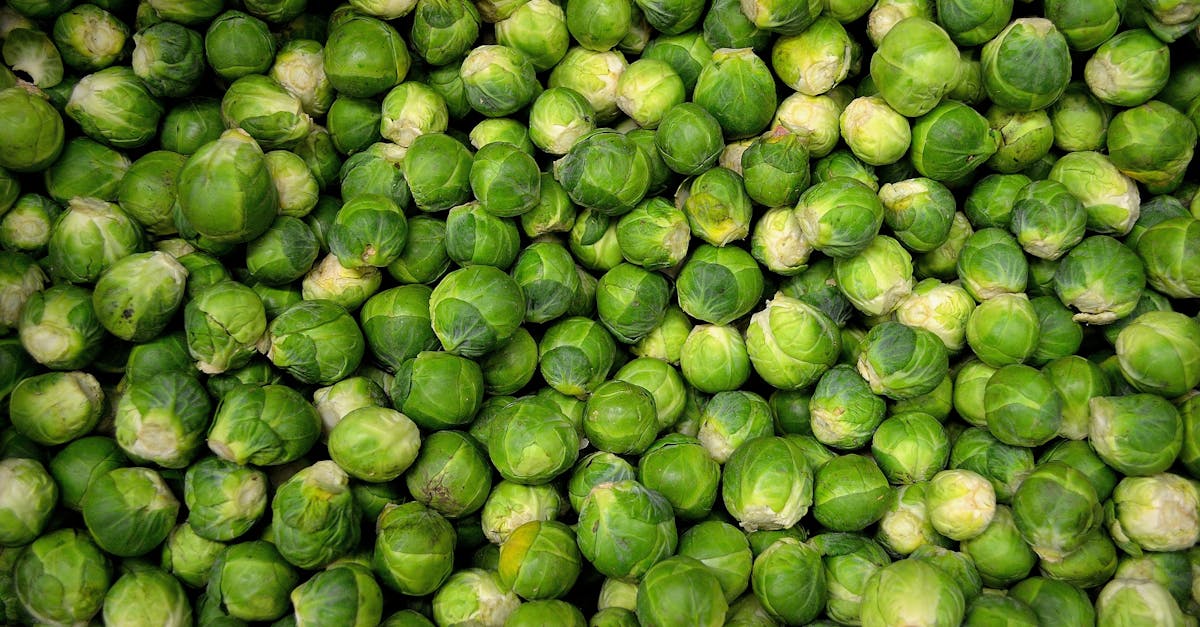
Brussels sprouts (Brassica oleracea var. gemmifera) are a slow-growing, cool-season crop that forms tall stalks lined with small, tight buds. Here in Southwest Missouri (Zones 6b–7a) they’re grown for fall: plants started in late spring set their sprouts as the nights cool in September and October, and a light frost makes them sweeter. They need a long season, so the timing matters more than anything else.
At a glance
- Sun: full sun to part sun, 6 or more hours a day
- Water: high and steady
- Soil pH: 6.0–7.5
- Start: indoors from seed, late May to early June
- Spacing: 18–24 inches apart, rows 30–36 inches apart
- Plant out: July
- Harvest: 90–120 days; early October to early December
- How many: 2–4 plants per person for fresh eating, 5–8 if you plan to preserve
- Containers: possible in a 5-gallon pot, but the plants are tall and top-heavy
Varieties that do well here
Our favorites for Southwest Missouri:
- Long Island Improved: a compact, dependable heirloom.
- Jade Cross E: a heat-tolerant hybrid with tight sprouts.
- Diablo: high yields and excellent cold tolerance.
Hestia and Dagan are also good choices.
When to plant
Around Springfield the average last spring frost is about April 10, and the first fall frost comes around October 22. Brussels sprouts taste best when they mature in cool weather, so count back from fall.
- Start seeds indoors from late May to early June, ¼–½ inch deep. They sprout in 5–10 days.
- Harden off the seedlings for 7–10 days, a little more time outdoors each day, before planting out.
- Plant out in July, when the seedlings are 4–6 inches tall, and water them well through the summer heat.
A spring crop is possible, but here it usually runs into summer heat and forms loose, bitter sprouts.
Soil and site
Brussels sprouts are heavy feeders. They want rich, loamy soil high in organic matter, with good drainage. Work compost in before planting, but avoid fresh manure. Full sun is best, though light afternoon shade helps in hot weather. Don’t plant them where any cabbage-family crop grew last year.
Planting
- Space plants 18–24 inches apart, with 30–36 inches between rows. They grow tall and need the room.
- Water deeply right after planting, and keep watering through the hot weeks while they settle in.
- Cover the transplants with floating row cover to keep cabbage worms off.
Water, mulch and feeding
- Water deeply and regularly, about 1–1.5 inches a week, and never let the soil dry out. Uneven watering gives loose or bitter sprouts.
- Mulch to hold moisture and keep the roots cool in late summer.
- Feed with compost at planting, and side-dress with more compost as the plants grow. Steady feeding gives evenly sized sprouts.
- Strip yellowing leaves from the bottom of the stalk as the sprouts form, so the plant puts its energy into the sprouts.
Good neighbors
Onions, garlic, leeks, celery, beets and chamomile all grow well with Brussels sprouts; the alliums and herbs help mask the scent that draws cabbage pests. Alyssum and calendula bring in beneficial insects, and nasturtiums planted nearby lure aphids away from the sprouts. Keep Brussels sprouts away from tomatoes, strawberries and pole beans, which compete for nutrients or attract the same pests.
Pests and diseases
Pests
- Cabbage worms and loopers: green caterpillars that chew large holes in the leaves, most active in warm weather. Hand-pick them, and use Bt (a natural bacterium that affects only caterpillars) as a last resort.
- Aphids: cluster on the undersides of leaves and cause curling and stunted growth.
- Cabbage root maggots: larvae tunnel into the roots and stems, so plants wilt and stall.
Diseases
- Clubroot: swollen, distorted roots. It stays in the soil for years.
- Black rot: yellow, V-shaped patches on the leaf edges, spreading in warm, wet weather.
- Powdery mildew: a white, powdery coating on leaves and stems.
Rotating away from other cabbage-family crops each year, spacing for good airflow and not watering overhead late in the day prevent most of these.
Harvest
Sprouts ripen from the bottom of the stalk up. Start picking when the lowest ones are firm and about 1–1.5 inches across, twisting or cutting them off, and work your way up over several weeks.
A light frost improves their flavor, and the plants survive down to about 20–25°F. A hard freeze can turn the sprouts mushy, though, so pick them or cover the plants before extreme cold. Most years the harvest runs from early October to early December.
Storing and preserving
Keep sprouts unwashed in a perforated plastic bag in the refrigerator, and use them within 2 weeks. To freeze, blanch them for 3–5 minutes depending on size, cool them in ice water and freeze. They can also be pickled or freeze-dried.