Growing Cabbage
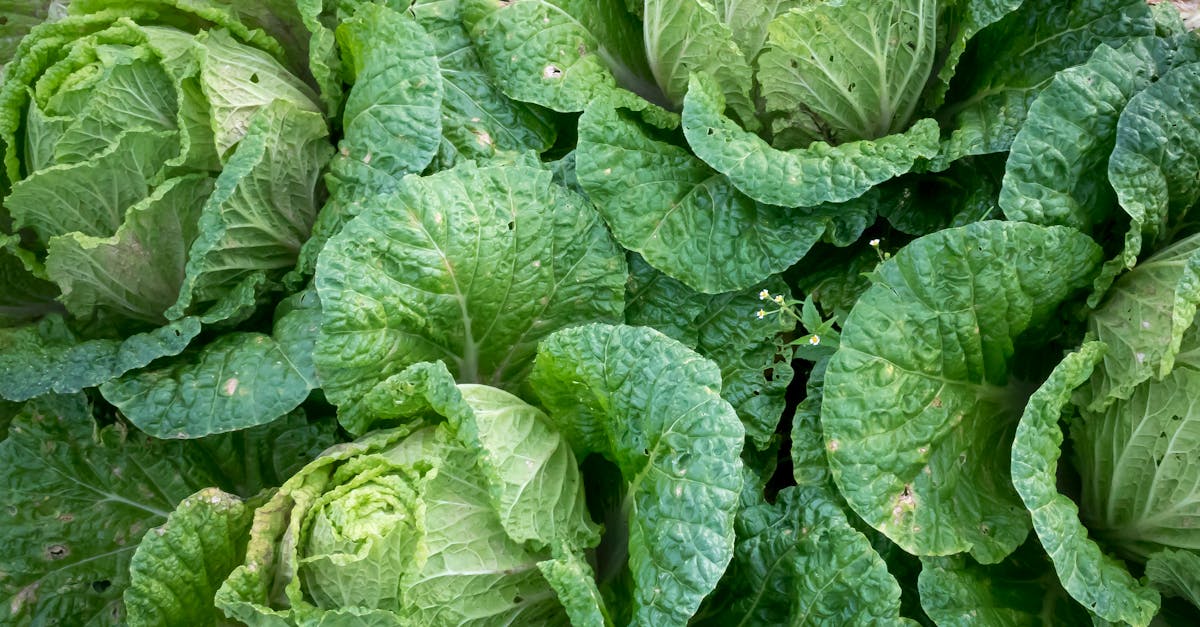
Cabbage (Brassica oleracea var. capitata) is a hardy, cool-season crop that forms dense, crisp heads. It grows reliably here in Southwest Missouri (Zones 6b–7a) in both spring and fall, and it keeps well, which makes it a good one for slaw, sauerkraut and storage. Rich soil and steady water give you solid heads; uneven watering is the most common reason they split.
At a glance
- Sun: full sun to part sun, 6–8 hours a day
- Water: moderate to heavy, and even
- Soil pH: 6.0–7.5
- Start: indoors from seed, or buy transplants
- Spacing: 12–18 inches apart, rows 24–30 inches apart
- Plant out: late March to early April for spring; late July to early August for fall
- Harvest: 70–100 days; June and July, and October into November
- How many: 3–5 plants per person for fresh eating, 10–20 if you plan to preserve
- Containers: yes, compact varieties in a 5-gallon pot
Varieties that do well here
Our favorites for Southwest Missouri:
- Early Jersey Wakefield: early, pointed heads that resist splitting.
- Stonehead: compact, solid heads for small gardens.
- Red Express: an early red cabbage for slaw and pickling.
Other good choices are Golden Acre, an early, compact green cabbage; Brunswick, a cold-hardy heirloom for fall; Savoy King, a mild savoy with crinkled leaves; and Late Flat Dutch, a big late variety that stores well.
When to plant
Around Springfield the average last spring frost is about April 10, and the first fall frost comes around October 22. Cabbage is hardy and takes frost down into the mid 20s°F, so spring plants go out ahead of the last frost.
- Spring: start seeds indoors in late January to early February, ¼–½ inch deep; they sprout in 5–10 days. Plant out from late March to early April, once seedlings have 3–4 true leaves.
- Fall: start seeds indoors again in late June to early July, and plant out from late July to early August.
- Harden off seedlings for 7–10 days before planting out, giving them a little more time outdoors and in the sun each day.
Soil and site
Cabbage is a heavy feeder. Give it rich, loamy, well-drained soil high in organic matter, and work in compost or well-aged manure before planting. Loosen compacted ground. Full sun is best; in warm weather some afternoon shade eases heat stress, which can make heads split or bolt. Plant cabbage where no cabbage-family crop grew last year.
Planting
- Space plants 12–18 inches apart, with 24–30 inches between rows.
- Water well right after planting.
- Cover new transplants with floating row cover to keep cabbage worms and other pests off.
Water, mulch and feeding
- Water deeply and evenly, about 1–1.5 inches a week, and don’t let the soil dry out completely. A soaking after a dry spell is what splits heads.
- Mulch to hold moisture and keep weeds down.
- Feed with compost at planting, then side-dress with compost or a balanced fertilizer about 3 weeks after transplanting.
Good neighbors
Onions, garlic, leeks, celery, chamomile and dill all grow well with cabbage; the aromatic alliums and herbs help repel cabbage pests. Alyssum and calendula bring in beneficial insects, and nasturtiums planted nearby lure aphids away. Keep cabbage away from tomatoes, strawberries and pole beans, which compete for nutrients or share its pests.
Pests and diseases
Pests
- Cabbage worms and loopers: green caterpillars that chew ragged holes in the leaves, most active in warm weather. Hand-pick them, and use Bt (a natural bacterium that affects only caterpillars) or neem oil as a last resort.
- Aphids: cluster on the undersides of leaves and cause curling and stunted growth.
- Cabbage root maggots: larvae tunnel into the roots and stems, so plants wilt and stall.
Diseases
- Clubroot: swollen, distorted roots. It stays in the soil for years.
- Black rot: yellow, V-shaped patches on the leaf edges, spreading in warm, wet weather.
- Fusarium yellows: leaves turn yellow and drop, starting at the base of the plant; worse in warm soil. Choose resistant varieties when you can.
Rotating away from other cabbage-family crops each year and spacing plants for good airflow prevent most of these.
Harvest
Cabbage is ready when the head feels firm and solid when you squeeze it. Cut it at the base with a sharp knife, leaving the outer leaves and the root in place; small second heads often form afterward for a bonus harvest. Don’t leave mature heads standing long, or they’re likely to split.
In fall a light frost sweetens the heads. The plants survive down to about 20–25°F, so harvest before deep cold or cover them.
Storing and preserving
Firm heads keep for several weeks in the refrigerator, or in a cold, humid spot (32–40°F) such as a root cellar. For the pantry, ferment cabbage into sauerkraut, pickle it, or blanch and freeze it.