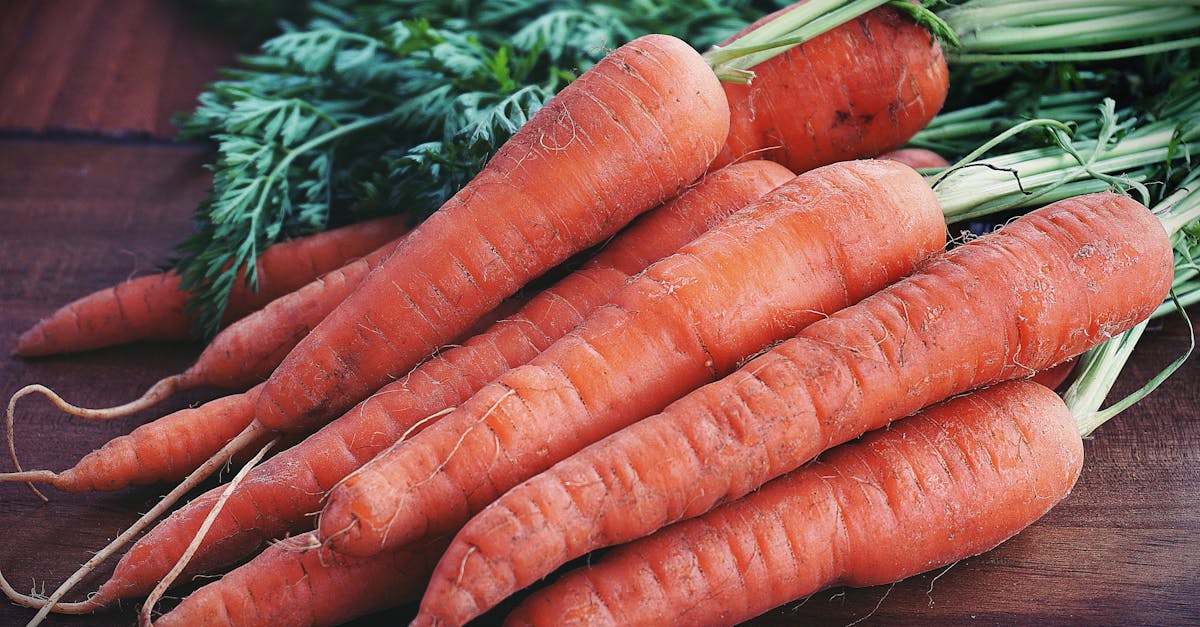
Growing Carrots
Carrots (Daucus carota subsp. sativus) are a cool-season root crop that grows well here in Southwest Missouri (Zones 6b–7a) in spring and again in fall, when the roots turn especially sweet. Because the part you eat grows underground, soil preparation matters more than anything else: our clay needs deep loosening and plenty of compost, or a raised bed. The other thing carrots ask for is patience, since the seed can take three weeks to come up.
At a glance
- Sun: full sun to part sun, 6 or more hours a day
- Water: moderate and steady; keep the seedbed moist until seedlings are up
- Soil pH: 6.0–6.8
- Sow: directly in the garden, late March to late April, and again late July to early August
- Depth: ¼ inch; sprouts in 10–21 days
- Spacing: thin to 2–3 inches apart, rows 12–18 inches apart
- Harvest: 60–80 days; June and July, and October into early December
- How many: 10–15 feet of row per person for fresh eating, 25–40 feet if you plan to preserve
- Containers: yes, short varieties in pots 10–12 inches deep
Varieties that do well here
Our favorites for Southwest Missouri:
- Danvers 126: handles heavy clay soil.
- Scarlet Nantes: sweet, crisp and dependable.
- Bolero: stores well and resists leaf blight.
Carrot types also tell you what soil they need. Long, slender Imperator types want deep, loose soil; Nantes types are shorter, cylindrical and sweet; and short, thick Chantenay types cope best with heavier ground.
When to plant
Around Springfield the average last spring frost is about April 10, and the first fall frost comes around October 22. Young carrots handle a light frost, so spring sowings go in before the last frost.
- Spring: sow from late March to late April. Seeds sprout in soil anywhere from 45°F to 85°F, but slowly when it’s cool.
- Succession: sow a short row every 2–3 weeks through spring for a steady supply.
- Fall: sow again from late July to early August. Fall carrots are often the sweetest of the year.
Always sow carrots where they’ll grow. Transplanting damages the long taproot and almost always gives forked or stunted roots.
Soil and site
Carrots want loose, stone-free soil, ideally a sandy loam or well-amended garden soil, with excellent drainage. Loosen it at least 10–12 inches deep and take out rocks and clods; anything in the way makes the roots fork. Use aged compost, never fresh manure, which causes branched roots and poor flavor. Raised beds are the easiest way to grow good carrots in clay. Give them full sun or light shade; too much shade means small roots.
Planting
- Sow seeds ¼ inch deep and about 1–2 inches apart, in rows 12–18 inches apart.
- Keep the seedbed evenly moist until the seedlings are up. Germination is slow and uneven and can take 10–21 days.
- Thin the seedlings to 2–3 inches apart once they’re up.
Water, mulch and feeding
- Water to keep the soil evenly moist, especially while the plants are young: about 1–1.5 inches a week, rain included. Uneven watering causes cracked or bitter roots. Avoid waterlogged soil.
- Mulch between the rows once the seedlings are up, to hold moisture and keep the soil temperature even. Young carrots compete poorly with weeds, so weed carefully by hand.
- Feed lightly. Carrots need only the compost you worked in before sowing; extra nitrogen gives leafy tops and poor roots.
Good neighbors
Onions, garlic, leeks, chives, lettuce, spinach, peas, radishes, rosemary and sage all grow well with carrots, and the onion family helps deter carrot flies. Marigolds, nasturtiums, calendula, alyssum and cosmos bring in beneficial insects. Keep carrots away from dill and parsnips, which attract the same pests and can hold carrots back.
Pests and diseases
Pests
- Carrot flies: their larvae tunnel into the roots and leave rust-colored trails. Floating row covers keep the flies off.
- Aphids: feed on the foliage and can spread disease. Treat them with neem oil or spray them off with water.
- Wireworms: bore into the roots; most common in ground that was recently lawn.
Diseases
- Alternaria leaf blight: brown spots on the leaves that weaken the plant. Remove infected foliage.
- Powdery mildew: a white, powdery coating on the foliage.
- Root rot: comes from poor drainage.
Rotating carrots to a new spot for 3 years, spacing them properly, keeping air moving and watering at the base prevent most of these.
Harvest
Carrots are ready 60–80 days after sowing, depending on the variety. You can pull them young or let them reach full size; the tops of the roots often show at the soil line as they get close. Pull one to check before harvesting the row, and don’t leave them so long they turn woody. Loosen the soil with a garden fork first so the roots don’t snap.
Fall carrots can stay in the ground well into the cold, and a light frost improves their flavor. The tops take temperatures into the mid 20s°F, and under a 12-inch layer of straw you can keep digging roots through the winter.
Storing and preserving
Cut off the tops and don’t wash the roots. Stored cold and humid, in the refrigerator or packed in damp sand in a cool spot, they keep for months. Keep them away from apples and pears, which give off a gas that turns carrots bitter.
For the pantry, pressure can carrots (they’re a low-acid vegetable), blanch slices for 2 minutes and freeze them, dehydrate them, or pickle them.