Growing Cauliflower
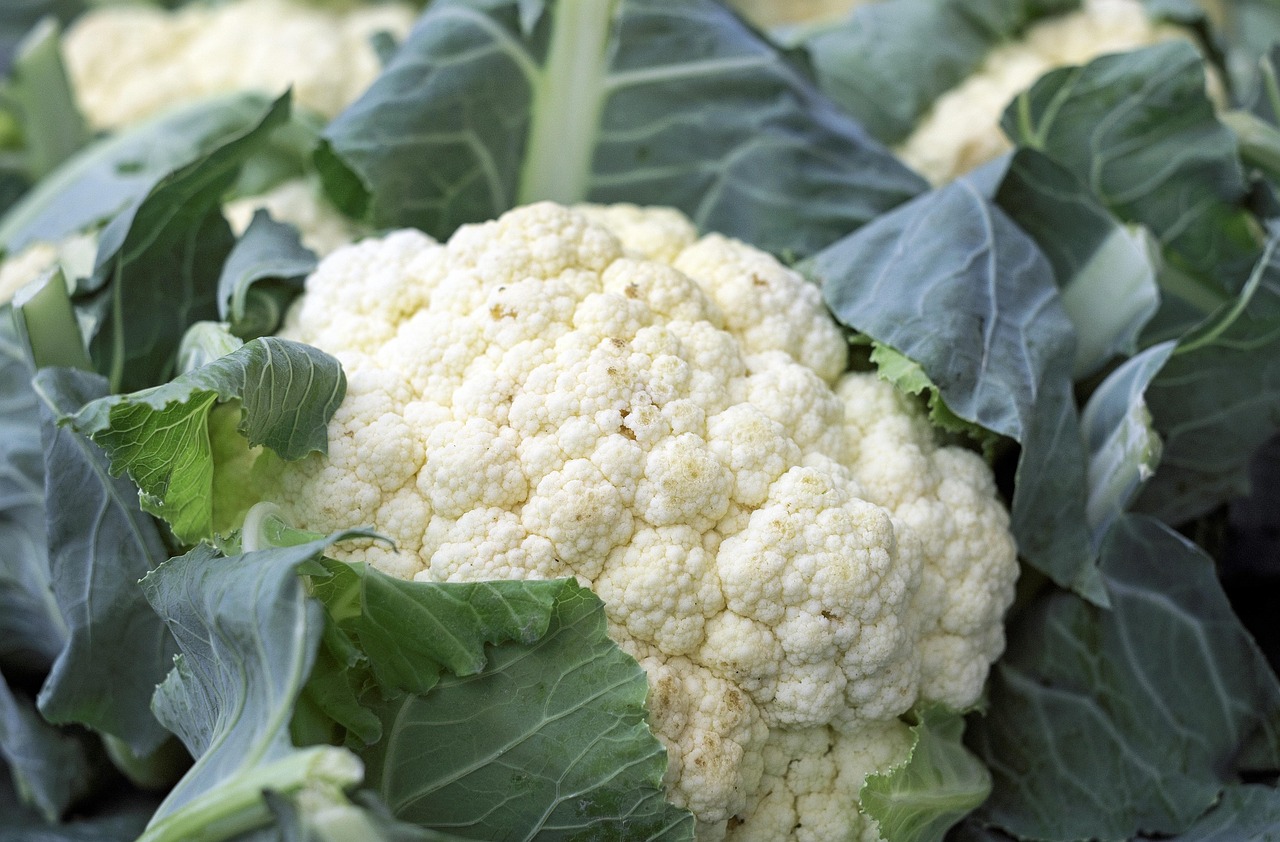
Cauliflower (Brassica oleracea var. botrytis) is a cool-season relative of broccoli and cabbage, and the fussiest of the family. It does well here in Southwest Missouri (Zones 6b–7a) in spring and fall, but it needs steady temperatures, water and feeding to form a tight, high-quality head. Get transplants in on time and keep them growing without a setback, and it rewards you.
At a glance
- Sun: full sun to part sun, 6 or more hours a day
- Water: high and steady
- Soil pH: 6.0–7.5
- Start: indoors from seed, or buy transplants
- Spacing: 18 inches apart, rows 30 inches apart
- Plant out: late March to early April for spring; late July to early August for fall
- Harvest: 70–100 days; late May to late June, and October into early November
- How many: 3–5 plants per person for fresh eating, 8–12 if you plan to preserve
- Containers: yes, one plant per 5-gallon pot
Varieties that do well here
Our favorites for Southwest Missouri:
- Snow Crown: early, forgiving and reliable.
- Amazing: self-wrapping leaves protect the heads in fall.
- Cheddar: orange heads that keep their color when cooked.
Snowball, a classic heirloom with medium white heads, and Purple of Sicily, a purple type with a mild, nutty flavor, are also good choices.
When to plant
Around Springfield the average last spring frost is about April 10, and the first fall frost comes around October 22. Established plants handle a light frost, but cauliflower is more sensitive to swings in temperature than its cousins.
- Spring: start seeds indoors in February, 6–8 weeks before planting out, ¼–½ inch deep. They sprout in 5–10 days. Plant out from late March to early April, when the soil is 50–75°F and the seedlings have 2–3 sets of true leaves. Keep row cover handy for cold nights.
- Fall: start seeds indoors again in late June to early July, and plant out from late July to early August. Fall plantings mature in cool weather, which cauliflower likes best.
- Harden off seedlings for 7–10 days before planting out, giving them a little more time outdoors and in the sun each day.
Soil and site
Cauliflower is a heavy feeder. It wants rich, fertile, well-drained loam high in organic matter, worked deeply so the roots can spread. Mix in compost before planting, but avoid fresh manure, which can scorch the roots and attract pests. Full sun is best; too much heat gives poor heads. Plant it where no cabbage-family crop grew last year.
Planting
- Space plants 18 inches apart, with 30 inches between rows. Crowded plants are stressed plants.
- Water well right after planting.
- Cover new transplants with floating row cover to keep cabbage worms and root maggots off.
Water, feeding and blanching
- Water deeply and evenly, about 1–1.5 inches a week, and never let the soil dry out. Uneven watering gives bitter flavor and poor heads.
- Mulch to keep the soil moist and cool.
- Feed with compost at planting and side-dress during the season to keep growth steady. Nutrient stress leads to small or loose heads.
- Watch for buttoning. Any setback, from a cold snap or dry spell to crowding or too little nitrogen, can make young plants form tiny early heads, called buttoning. Steady care is the cure.
- Blanch white varieties. When a head is about 2–3 inches across, pull the outer leaves up over it and tie them loosely. Shading the head keeps it white. Self-wrapping varieties like Amazing do some of this on their own, and colored varieties like Cheddar don’t need it.
Good neighbors
Onions, garlic, leeks, celery, chamomile and dill all grow well with cauliflower and help repel cabbage moths and other common pests. Alyssum and calendula bring in beneficial insects, and nasturtiums planted nearby lure aphids away. Keep cauliflower away from tomatoes, strawberries and pole beans, which compete for nutrients or attract shared pests.
Pests and diseases
Pests
- Cabbage worms and loopers: chew ragged holes in the leaves. Hand-pick them, or treat with Bt, a natural bacterium that affects only caterpillars.
- Aphids: cluster on the undersides of leaves and curl new growth. Rinse them off or use insecticidal soap.
- Cabbage root maggots: larvae tunnel into the roots and the plants wilt. Row covers and collars around the stems help.
Diseases
- Clubroot: stunts growth and swells the roots; worst in acidic, wet soil.
- Black rot: yellow, V-shaped patches on the leaf edges. It spreads by splashing water and infected seed.
- Downy mildew: gray-white fuzzy patches on the leaves, worse in cool, damp weather.
Rotating away from other cabbage-family crops each year, choosing resistant varieties when you can and spacing plants properly prevent most of these.
Harvest
Cut the head when it’s firm, tight and full-sized, usually 6–8 inches across, before the curds start to separate. Use a sharp knife and cut at the base, leaving several wrapper leaves around the head to protect it. Once the leaves are tied, peek under them often: a mature head turns grainy or discolored quickly if it’s left in the garden.
Storing and preserving
Refrigerate heads in a breathable bag and use them within 1–2 weeks. To freeze, blanch the florets for 3 minutes, cool them in ice water and freeze. Cauliflower can also be pickled or freeze-dried.