Growing Zucchini
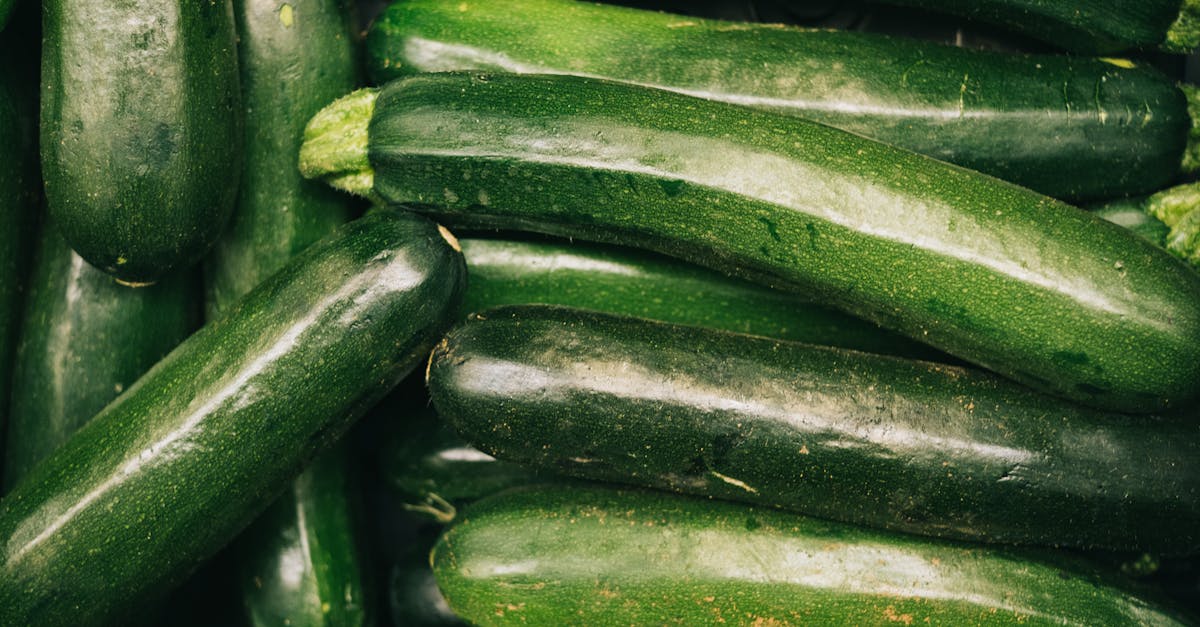
Zucchini is a fast-growing summer squash and one of the most productive plants in the garden: a healthy plant can keep you in zucchini for months. It loves our warm Southwest Missouri summers (Zones 6b–7a) and starts bearing within about two months of sowing. Warm soil at planting, steady water, and staying ahead of squash bugs and vine borers matter most.
At a glance
- Sun: full sun, 6–8 or more hours a day
- Water: heavy; deep and steady, never letting the soil dry out
- Soil pH: 6.0–6.8
- Start: direct sow (best), or start indoors 3–4 weeks before planting out
- Spacing: 24–36 inches apart, rows 4–6 feet apart
- Sow: early May to late July, 1 inch deep, once the soil is 65°F or warmer
- Harvest: late June to early October, starting 45–55 days after sowing
- How many: 1–2 plants per person for fresh eating, 3–4 if you plan to preserve
- Containers: yes, compact varieties in a 10 gallon pot
Varieties that do well here
Our favorites for Southwest Missouri:
- Black Beauty: the dependable, dark green classic.
- Costata Romanesco: an Italian heirloom with ribbed fruit and outstanding flavor.
- Dunja: open plants with high yields and good disease resistance, including to powdery mildew.
Golden Zucchini is a good yellow choice. If vine borers have wiped out your zucchini before, try Tromboncino, a vining summer squash that resists them; give it a sturdy trellis or room to run.
When to plant
Around Springfield the average last spring frost is about April 10, and the first fall frost comes around October 22.
- Sow outdoors from early May, after all danger of frost, once the soil has warmed to 65°F. Seeds sprout in 5–10 days. Zucchini sown into cold soil is stunted and more prone to disease.
- Start indoors for a head start, 3–4 weeks before planting out. Use biodegradable pots, since zucchini doesn’t like its roots disturbed, harden the seedlings off, and transplant them young.
- Sow a second round in midsummer, as late as late July, for a fall crop. Choose a fast-maturing variety for the late sowing so it bears well before frost.
Soil and site
Zucchini is a heavy feeder. Give it a sunny, open spot and rich, well-drained soil with plenty of compost worked in. Avoid compacted ground. Planting on low mounds improves drainage and warms the soil, which helps a lot in heavy clay. Grow it somewhere other squash, pumpkins, cucumbers or melons didn’t grow last year.
Planting
- Sow 2–3 seeds 1 inch deep at each spot and thin to one strong plant every 24–36 inches.
- Leave 4–6 feet between rows; the leaves get big.
- Water well after sowing or transplanting.
- Cover young plants with row cover to keep squash bugs and vine borer moths off. Take it off when the flowers open so bees can reach them.
Water, mulch and pollination
- Water deeply at the base of the plant, about 1–2 inches a week, and don’t let the soil dry out. Keep water off the leaves to slow powdery mildew. Uneven watering can also cause blossom end rot.
- Mulch with straw or grass clippings to hold moisture, keep the soil temperature even and stop soil splashing onto the leaves.
- Pollination: zucchini has separate male and female flowers on the same plant. The female flower has a small swelling behind the bloom that becomes the fruit; without good pollination, it shrivels instead of growing. The first flowers are usually all male, so don’t worry when they drop. If fruit isn’t setting, brush pollen from a male flower onto the center of a female flower with a small brush. Borage and zinnias nearby bring in the bees, and you should avoid spraying anything while plants are in bloom.
Good neighbors
Nasturtiums, marigolds, beans and dill grow well with zucchini, drawing in pollinators and beneficial insects and helping repel pests. Keep zucchini away from potatoes and melons, which compete for nutrients or share pests and diseases.
Pests and diseases
Pests
- Squash bugs: gray-brown bugs that suck sap, causing yellow spots and wilting. Check under the leaves and crush the bronze egg clusters every day.
- Squash vine borers: larvae tunnel into the stem near the base, and the plant suddenly wilts, with sawdust-like material at the base. Wrap the lower stem in foil or nylon to block them. If one gets in, slit the stem, pull out the larva, and bury the stem at a leaf node so it roots again.
- Aphids: cluster on new growth and leaf undersides, and spread mosaic virus.
Diseases
- Powdery mildew: a white, powdery coating on the leaves, worst in humid, crowded plantings. Space plants well and keep the leaves dry; a diluted milk or baking soda spray, started early, slows it.
- Bacterial wilt: the plant wilts suddenly and collapses. Cucumber beetles spread it, so keep them off young plants.
- Mosaic virus: mottled, distorted leaves and stunted fruit. Aphids spread it; pull infected plants.
Most of these are prevented by growing zucchini in a new spot each year, spacing plants well and checking them often. A few Blue Hubbard squash planted nearby also work as a trap crop, drawing squash bugs, cucumber beetles and vine borers away from your zucchini.
Harvest
Zucchini is ready 45–55 days after sowing. Pick when the fruit is 6–8 inches long, cutting it off with a knife or pruners and leaving a short stem. In peak season, check the plants every day or two: zucchini grows fast, and picking often keeps the plant producing. One that hides under a leaf until it’s 12 inches or more turns seedy and tough, but it’s still good grated into zucchini bread.
Storing and preserving
Refrigerate zucchini unwashed in a perforated bag, not sealed plastic, which traps moisture, and use it within about a week. To keep it longer, grate it and freeze it in recipe-size bags for baking, or slice it, blanch it for 3 minutes and freeze it. Zucchini also makes good pickles and relish, and you can dehydrate it into chips or freeze-dry it.