Growing Cucumbers
Cucumbers (Cucumis sativus) are fast-growing, warm-season vines that do well in our long Southwest Missouri summers (Zones 6b–7a). They’re very productive, often fruiting within two months of planting, but they need warm soil, full sun and steady water. Growing them up a trellis saves space and keeps the leaves drier, which helps against the mildews that come with our humid weather.
At a glance
- Sun: full sun, 6–8 or more hours a day
- Water: heavy and steady
- Soil pH: 6.0–7.0
- Sow: directly in the garden, early May to early July, once the soil is 65°F
- Depth: ½–1 inch; sprouts in 3–10 days
- Spacing: 12 inches apart on a trellis, up to 36 inches sprawling on the ground; rows 4–6 feet apart
- Harvest: 50–70 days from sowing; late June to late September
- How many: 2–3 plants per person for fresh eating, 6–10 if you plan to pickle
- Containers: yes, bush varieties in a 5-gallon pot with a small trellis
Varieties that do well here
Slicing cucumbers are the longer ones for salads and sandwiches. Pickling cucumbers are smaller and firmer.
Our favorites for Southwest Missouri:
- Marketmore 76: a disease-resistant slicer for humid summers.
- Suyo Long: a heat-tolerant, sweet, burpless type.
- Boston Pickling: a dependable heirloom for pickles.
Straight Eight, a classic straight slicer, and National Pickling are also good choices.
When to plant
Around Springfield the average last spring frost is about April 10, and the first fall frost comes around October 22. Cucumbers are very tender. They need soil at 65°F or warmer and nights above 55°F, which here usually means 2–4 weeks after the last frost. Planted too early, they sit in cold soil, grow slowly and pick up disease.
- Sow directly in the garden from early May to early July.
- Start indoors if you like, 3–4 weeks before planting out (early April for an early to mid-May planting). Use biodegradable pots and transplant carefully, since cucumbers dislike having their roots disturbed.
- Sow a second round in early July for fresh vines that carry the harvest into fall.
Soil and site
Cucumbers are heavy feeders. They want rich, well-drained loam high in organic matter, so work compost in before planting and loosen compacted soil. Planting in mounds or raised beds warms the soil faster in spring. Pick a sunny, open spot with good air movement, and don’t plant where cucumbers, squash, melons or pumpkins grew last year.
Planting
- Sow 2–3 seeds per spot, ½–1 inch deep, and thin to the strongest seedling.
- On a trellis, space plants 12 inches apart. Sprawling vines need up to 36 inches. Leave 4–6 feet between rows.
- Put the trellis up at planting time, before the vines start to run.
- Cover young plants with floating row cover to keep cucumber beetles off, and take it off when the flowers open so bees can reach them.
Water, mulch and feeding
- Water deeply and regularly at the base of the plant; a drip line or soaker hose keeps the leaves dry. Uneven watering gives bitter fruit.
- Mulch with 2–3 inches of straw, grass clippings or shredded leaves to hold moisture and keep weeds down.
- Feed with compost at planting, and side-dress with compost when the vines begin to run.
Pollination
Cucumbers have separate male and female flowers on the same plant. The male flowers usually open first and drop off, so don’t worry when the first blooms don’t set fruit. Female flowers have a tiny cucumber at their base, and bees carry pollen to them; poor pollination gives misshapen fruit or none at all. Borage and zinnias planted nearby bring in the bees. If bees are scarce, move pollen from a male flower to a female one with a small brush.
Good neighbors
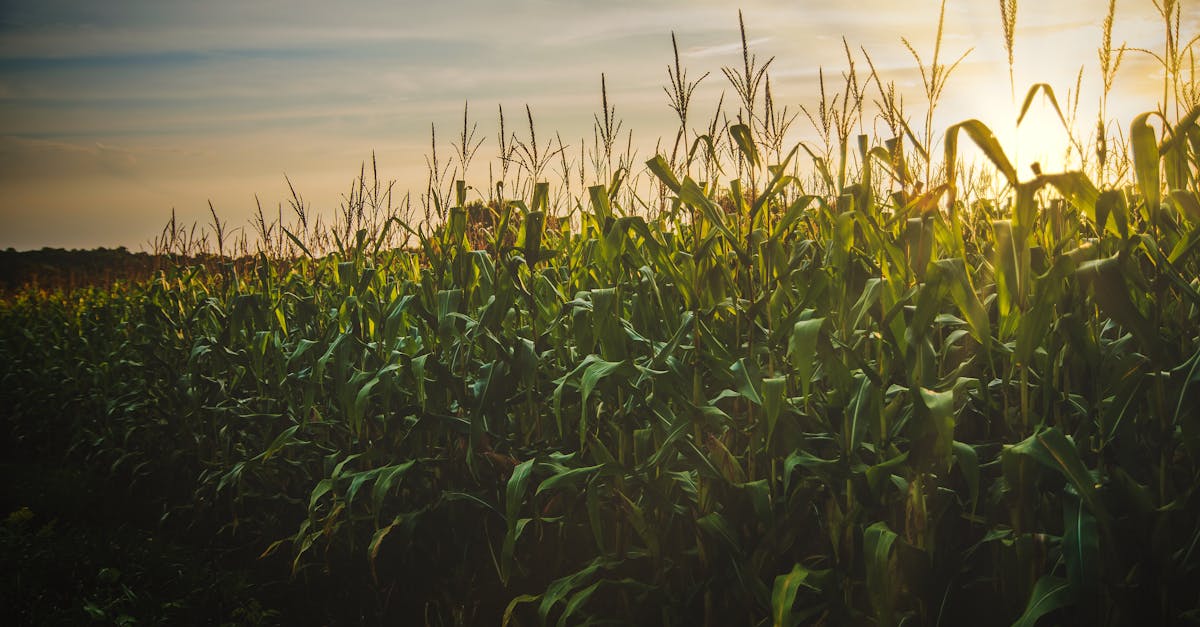
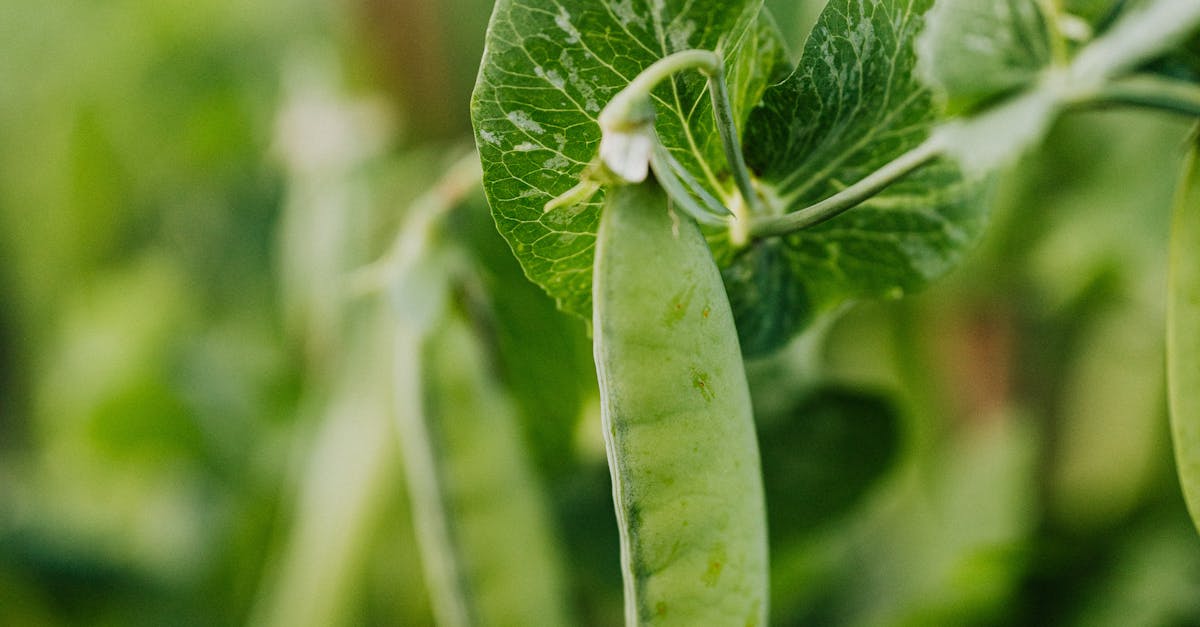
Beans, corn, peas, radishes, dill and nasturtiums all grow well with cucumbers; they bring in pollinators, deter pests and make good use of garden space. Keep cucumbers away from potatoes, sage and rue, which can stunt their growth or attract shared pests.
Pests and diseases
Pests
- Cucumber beetles: yellow beetles with black spots or stripes that chew holes in leaves and vines. As they feed they spread bacterial wilt. Use row covers until flowering, and hand-pick beetles in the early morning.
- Aphids: cluster on the leaves and make new growth curl. Rinse them off or use insecticidal soap.
- Spider mites: cause stippled, yellowing leaves; worst in hot, dry, dusty weather.
Diseases
- Powdery mildew: white, powdery spots on leaves and stems, worse in humid, crowded plantings.
- Bacterial wilt: sudden wilting and plant death, spread by cucumber beetles. Pull out infected plants and keep the beetles under control.
- Downy mildew: yellow patches on the leaves with fuzzy gray undersides. It spreads quickly in wet, humid weather.
Rotating crops, spacing vines for good air circulation, trellising and watering at the base prevent most problems.
Harvest
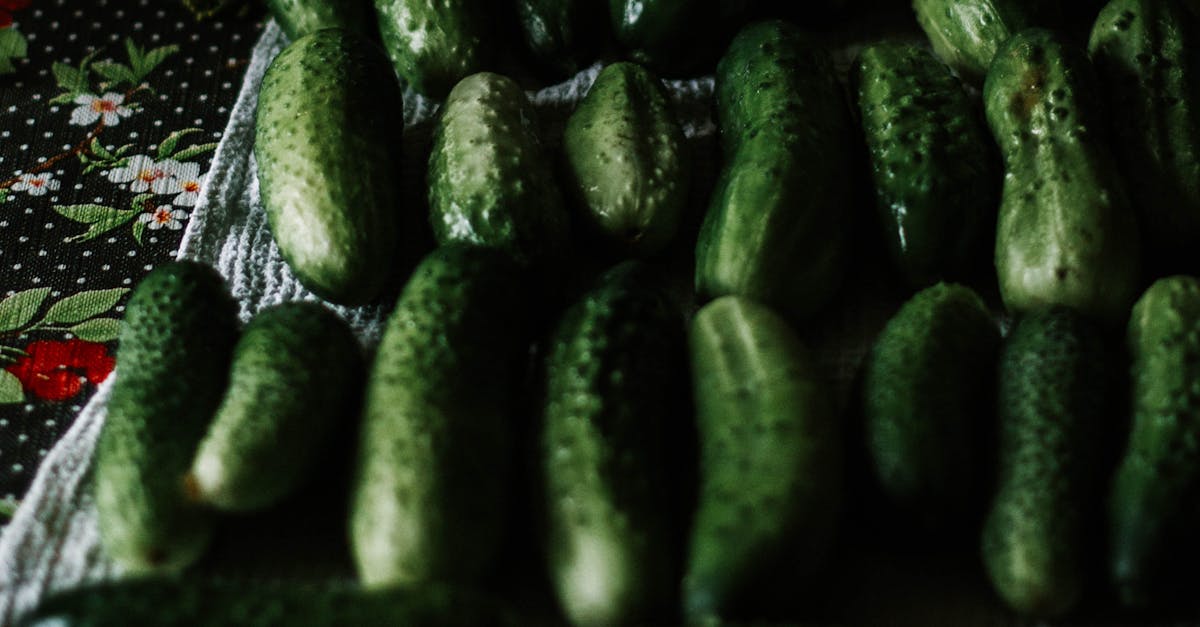
Cucumbers start bearing 50–70 days after sowing. Pick slicers at about 6–8 inches long and picklers at 3–4 inches, while they’re firm and green and before they start to yellow. Check the vines every day in peak season, because the fruit sizes up fast. Cut cucumbers from the vine with a knife or pruners rather than pulling them. Pick often: an overripe cucumber left on the vine signals the plant to stop producing.
Storing and preserving
Keep cucumbers in the refrigerator’s crisper drawer and use them within about a week. For the pantry, make dill or bread-and-butter pickles or relish and water-bath can them, or ferment them. Cucumbers don’t freeze well whole; they turn mushy.