Growing Dill
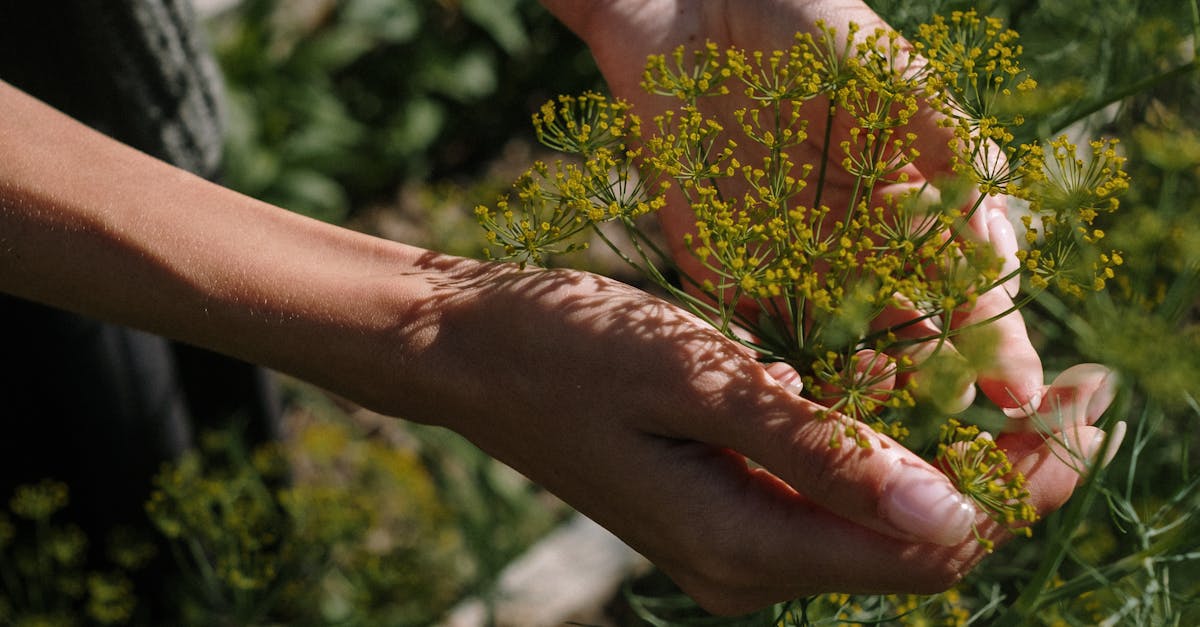
Dill (Anethum graveolens) is a fast-growing annual herb grown for its feathery leaves and aromatic seeds. It likes our cool springs and mild falls here in Southwest Missouri (Zones 6b–7a), handles a light frost, and draws in a crowd of beneficial insects. It has a long taproot, so sow it where it will stay, and sow again every few weeks for a steady supply.
At a glance
- Sun: full sun, 6–8 hours a day
- Water: moderate; established plants handle light drought
- Soil pH: 5.5–6.5
- Sow: directly in the garden only
- Spacing: 12 inches apart, rows 18–24 inches apart
- Depth: ¼ inch; sprouts in 7–14 days
- Harvest: leaves in 40–60 days; late May through July from spring sowings, late September through October from summer ones
- How many: 4–6 plants for fresh use, 10–15 if you plan to make pickles
- Containers: yes, Fernleaf in a pot at least 12 inches deep
Varieties that do well here
- Bouquet: early, with big seed heads for pickling.
- Fernleaf: compact and slow to bolt; great in containers.
- Mammoth Long Island: tall and productive for both leaves and seed.
Dukat, a high-yielding dill with a mild flavor, is another good choice for pickling.
When to plant
Dill is a cool-season annual that tolerates light frost. Around Springfield the average last spring frost is about April 10, and the first fall frost comes around October 22.
- Spring: sow from early April through early June, once the soil can be worked. Seeds sprout in soil from 50 to 75°F.
- Late summer: sow again in August for a fall crop.
- Sow every 2–3 weeks in each season for a steady supply of fresh leaves.
- Don’t start it indoors. Dill doesn’t transplant well, and direct-sown plants are stronger and less likely to bolt early.
Soil and site
Dill likes loose, well-drained sandy or loamy soil with light to moderate fertility. Go easy on fertilizer: rich soil gives you lush leaves with weaker flavor. Rake out rocks and clods so the taproot can grow down freely.
Give it full sun. Too little sun makes weak, floppy plants, and dill grows tall, so a spot out of the strongest wind helps. It self-sows readily, so choose a place where you don’t mind it coming back year after year.
Planting
- Sow seeds ¼ inch deep in rows 18–24 inches apart.
- Thin seedlings to 12 inches apart.
- Keep the soil moist until the seedlings are up, which can take up to 2 weeks.
Water and mulch
- Water regularly while plants get established. After that, dill handles a light drought.
- Don’t let the soil stay soggy.
- Mulch with straw or grass clippings to keep moisture even and weeds down.
- Pick often. Regular harvesting delays bolting and keeps new leaves coming.
Good neighbors
Dill brings in ladybugs, lacewings and parasitic wasps, which makes it a good companion for cucumbers, lettuce, spinach, cabbage, broccoli, kale, onions and corn. Calendula, cosmos and alyssum nearby support the same insects. Keep dill away from fennel, which slows its growth, and from carrots once they mature: the two are close relatives that share pests and can cross-pollinate if both flower.
Pests and diseases
Pests
- Aphids: rare and usually minor. Spray them off with water.
- Black swallowtail caterpillars: eat the leaves, then grow into black swallowtail butterflies. Dill is one of their host plants, so many gardeners plant a little extra to share, or move the caterpillars to a few plants set aside for them.
Diseases
- Powdery mildew: a white coating on the leaves in humid weather.
- Root rot: comes from poorly drained soil.
Good airflow, proper spacing and a light hand with the hose prevent most problems.
Harvest
- Start picking leaves once plants are 6–8 inches tall, taking the outer leaves first. Morning, after the dew dries, is the best time.
- Use fresh flower heads in pickles.
- For seed, let the flower heads ripen on the plant and cut them when the seeds turn tan and dry.
- Pull plants once they’ve finished setting seed.
Dill leaves and seed heads go with pickles, fish, potatoes and dips. Dill seed tea is traditionally used for minor gas and digestive upset. Culinary amounts are safe for nearly everyone; talk with your healthcare provider before using herbs medicinally if you’re pregnant, nursing or taking medication.
Storing and preserving
Fresh dill keeps up to a week in the refrigerator, loosely wrapped in a damp paper towel. For months of use, freeze chopped leaves in oil or water; freezing keeps the fresh flavor best. Dill dries well too, especially the seed heads: hang leaves or seed heads in a dry, airy spot out of the sun until they crumble, then store them in airtight jars and replace them yearly.
Save some seed in an airtight container for cooking or replanting, and let a few plants drop seed in the garden. Dill readily self-sows and will come back on its own.