Growing Garlic
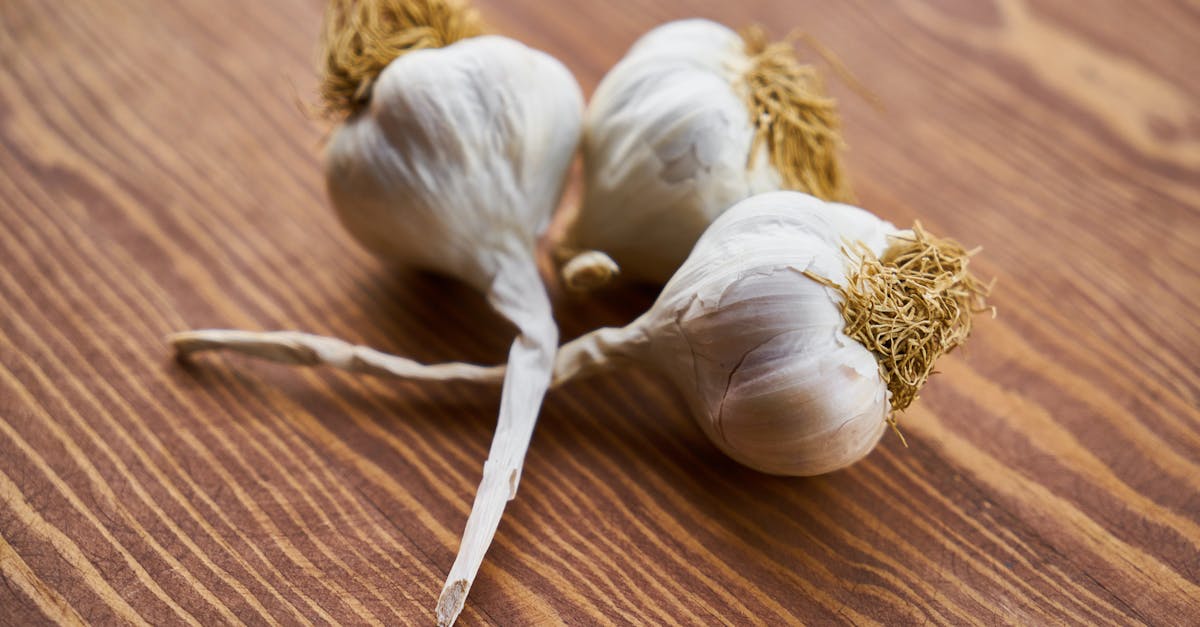
Garlic (Allium sativum) is planted in fall and dug the following summer, which sets it apart from almost everything else in the vegetable garden. It’s one of the easiest crops to grow here in Southwest Missouri (Zones 6b–7a), because our cold winters are what make each clove divide into a full bulb. Plant it on time, mulch it, and cure it well, and it keeps for months.
At a glance
- Sun: full sun, 6–8 or more hours a day
- Water: moderate and steady in spring, then less as the bulbs mature
- Soil pH: 6.0–7.0
- Plant: cloves, mid-October to early November
- Spacing: 4–6 inches apart, rows about 12 inches apart
- Depth: 2 inches, pointed end up
- Harvest: late June to early July, 8–9 months after planting
- How many: 15–25 cloves per person for fresh use, 50 or more if you plan to preserve
- Containers: yes, in a pot at least 8 inches deep, cloves 4 inches apart
Varieties that do well here
Garlic comes in two kinds. Hardneck garlic is the more winter-hardy of the two, tends to have larger cloves, and sends up a curly flower stalk called a scape in late spring or early summer. Softneck garlic makes no scape and has soft stems you can braid, and it generally stores longer.
Our favorites for Southwest Missouri:
- Music: a hardneck with big, easy-to-peel cloves that store well.
- Chesnok Red: a hardneck with rich flavor, great for roasting.
- Inchelium Red: a mild softneck that stores a long time and is good for braiding.
Seed catalogs also sort garlic into groups: Rocambole, Purple Stripe and Porcelain are hardnecks, and Silverskin and Artichoke are softnecks. Buy certified disease-free seed garlic rather than planting cloves from the grocery store, which may not suit our climate and can carry disease.
When to plant
Plant cloves from mid-October to early November, 2–4 weeks before the ground freezes. That gives them time to grow roots before winter. They rest through the cold and start growing again in early spring. Garlic is never started indoors.
If you miss the fall window, you can plant cloves in early spring as soon as the soil can be worked, but expect smaller bulbs.
Soil and site
Pick a spot in full sun; garlic grown in shade makes small bulbs. It wants loose, fertile, loamy soil with plenty of organic matter, and drainage matters more than anything, since cloves sitting in wet soil rot. Work compost into the bed before planting, and avoid heavy clay unless you’ve amended it well. Don’t use fresh manure.
Don’t plant garlic where garlic, onions or leeks grew in the last few years. They share the same pests and diseases.
Planting
- Break the bulb into cloves at planting time. Each clove grows into one full bulb.
- Plant each clove pointed end up, 2 inches deep.
- Space cloves 4–6 inches apart, with about 12 inches between rows.
- Water well after planting.
Mulch, water and scapes
- Mulch the bed heavily with straw after planting. It protects the cloves through winter, keeps the weeds down and holds moisture in spring. Garlic has shallow roots and competes poorly with weeds, so keep the bed clean.
- Water to keep the soil evenly moist in spring, while the plants are growing fast. Cut back as the bulbs mature, and stop watering 1–2 weeks before harvest; too much moisture then can make the bulbs rot in storage. Water at the base, not over the leaves.
- Feed with compost at planting. If growth slows in spring, give the plants a light feeding, but go easy on nitrogen, which makes leaves instead of bulbs.
- Cut the scapes off hardneck garlic as soon as they appear, so the plant puts its energy into the bulb instead of flowering. Don’t throw them out: scapes are good to cook with.
Good neighbors
Tomatoes, peppers, carrots, cabbage, lettuce and roses all grow well near garlic, and its strong scent helps keep aphids and other soft-bodied pests off them. Marigolds and yarrow make good companion flowers. Keep garlic away from beans, peas and asparagus: the onion family releases compounds in the soil that can stunt beans and peas.
Pests and diseases
Pests
- Onion maggots: the larvae tunnel into the bulbs. Floating row cover keeps them off.
- Thrips: tiny insects that leave silvery streaks on the leaves. Blast them off with a strong spray of water.
- Aphids: cluster on tender new growth. Spray them with insecticidal soap.
Diseases
- White rot: the leaves yellow and the bulbs rot. It stays in the soil for years, so don’t plant garlic or onions there again.
- Rust: orange pustules on the leaves, spread by wind and moisture.
- Neck rot (Botrytis): softens the bulbs in storage. Thorough curing prevents it.
Planting certified disease-free cloves, rotating away from the onion family and watering at the base prevent most of these.
Harvest
Garlic is ready in late June or early July. Dig it when the bottom 3–4 leaves have turned brown but the top leaves are still green. Loosen the soil with a garden fork and lift the bulbs gently, since bruised bulbs don’t keep. Brush off the loose soil.
Curing and storing
Curing dries the skins and the neck so the bulbs keep. Hang the plants in bundles or lay them out in a single layer, stems and roots still on, somewhere warm, dry, shaded and airy, for 2–3 weeks. Then trim the roots, and cut off the stems or braid softneck types together.
Store cured bulbs somewhere cool and dry with good airflow. They keep longest at 32–40°F, but a basement, garage or closet that stays cool works too, and well-cured garlic lasts several months. You can also dry garlic slices and grind them into garlic powder, or freeze peeled cloves.
Never store fresh garlic in oil at room temperature: it can carry botulism spores, which grow in oil without any smell or taste. Refrigerate garlic oil and use it within 4 days, or freeze it.