Growing Green Beans
Green beans are a warm-season vegetable and one of the easiest crops you can grow. Both bush and pole beans do well here in Southwest Missouri (Zones 6b–7a): bush beans give you a big crop all at once, and pole beans climb a trellis and keep producing until frost. Wait for warm soil before you sow, and keep picking once they start.
At a glance
- Sun: full sun, 6–8 or more hours a day
- Water: moderate and consistent
- Soil pH: 6.0–6.8
- Sow: directly in the garden, from early May through late July
- Spacing: bush beans 3–4 inches apart in rows 18–24 inches apart; pole beans 6 inches apart in rows 30–36 inches apart
- Depth: 1 inch
- Harvest: bush beans in 50–60 days, pole beans in 60–70 days
- How many: 10–15 feet of row per person for fresh eating, 30–50 feet if you plan to preserve
- Containers: yes, bush beans in a 2–3 gallon pot, pole beans in a 5 gallon pot with a trellis
Varieties that do well here
Beans come in two growth habits. Bush beans stay compact, need no support and mature quickly, giving most of their crop over a few weeks. Pole beans are vines that climb a trellis or poles; they take a little longer to start but produce over a much longer season.
Our favorites for Southwest Missouri:
- Provider: a bush bean that sprouts reliably in cool soil and gives dependable, heavy yields.
- Blue Lake 274: a bush bean with classic flavor, great for canning and freezing.
- Kentucky Wonder: a vigorous pole bean that produces until frost.
Contender and Top Crop are other dependable bush beans, and Cherokee Wax is a good yellow wax bean.
When to plant
Around Springfield the average last spring frost is about April 10, and the first fall frost comes around October 22. Beans are tender: frost kills them, and seed sown in cold soil sprouts poorly.
- Sow directly in the garden once all danger of frost has passed and the soil has warmed to at least 60°F, usually in early May. Seeds sprout in 7–10 days.
- Keep sowing every 2–3 weeks through late July for a steady supply, since each sowing of bush beans finishes within a few weeks.
- For a fall crop, make a last sowing of bush beans in late July or early August. It will be ready before the October frost.
Beans don’t like their roots disturbed, so they’re almost never started indoors.
Soil and site
Pick a spot in full sun. Beans in partial shade make fewer pods and get more disease. They like light, loamy, well-drained soil that isn’t too rich. Work in compost and loosen the soil at least 6 inches deep.
Beans make their own nitrogen with the help of bacteria on their roots, so skip high-nitrogen fertilizers: soil that’s too rich gives you lush leaves and few pods. Don’t plant beans where beans or peas grew last year.
Planting
- Sow seeds 1 inch deep.
- Space bush beans 3–4 inches apart in rows 18–24 inches apart, and pole beans 6 inches apart in rows 30–36 inches apart.
- Put up a trellis or poles for pole beans at planting time.
- Cover young plants with floating row cover to keep beetles off, and take it off when they start to flower.
Water, mulch and feeding
- Water at the base of the plants, in the morning if you can, and keep the soil evenly moist but not soggy. Keep the leaves dry, especially while the plants are flowering. Uneven watering makes beans drop their blossoms and gives you misshapen pods.
- Mulch once the soil is warm to hold moisture and keep weeds down.
- Feed lightly, if at all. Compost at planting is usually all beans need; if you do use a fertilizer, choose a low-nitrogen one.
Good neighbors
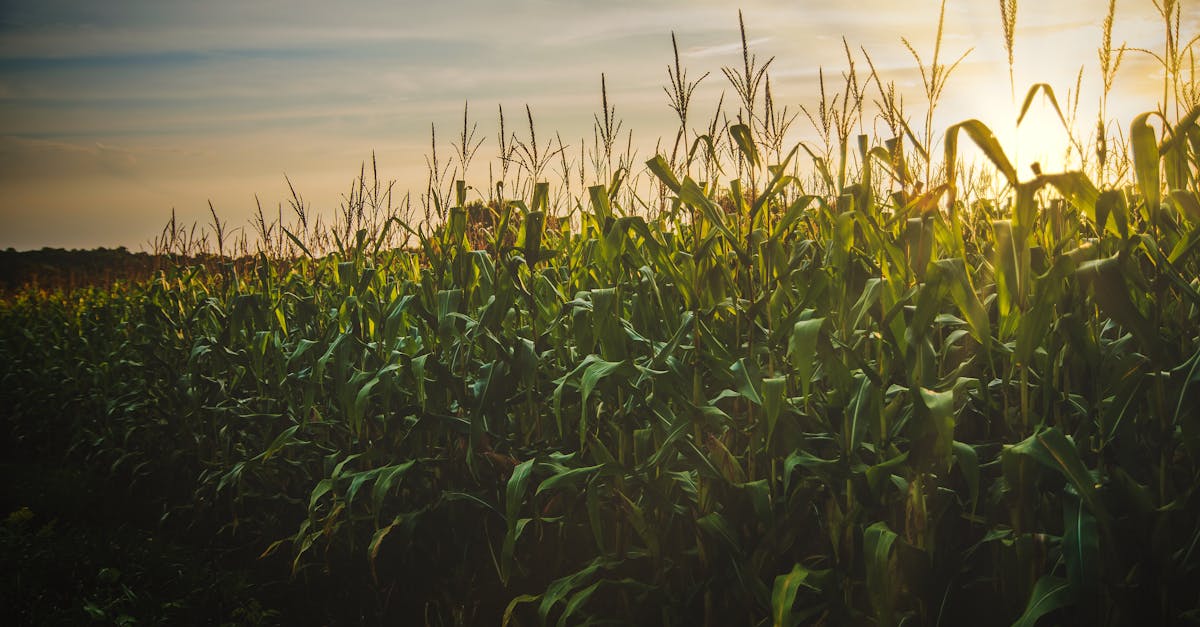
Beans are one of the classic “Three Sisters” with corn and squash: they climb the corn stalks while adding nitrogen to the soil. Cucumbers, potatoes, celery, carrots and summer savory also grow well with them, and marigolds and nasturtiums help deter pests and bring in beneficial insects. Keep beans away from onions, garlic, chives and fennel. The onion family can stunt beans, so give it a separate bed.
Pests and diseases
Pests
- Mexican bean beetles: copper-colored beetles that skeletonize the leaves, with larvae feeding alongside them on the undersides. Hand-pick the beetles, larvae and eggs.
- Bean leaf beetles: chew round holes in the leaves and can spread bean mosaic virus.
- Aphids: cluster on new growth and pods, curling the leaves and stunting the plants. Spray them off with water or use insecticidal soap.
- Spider mites: fine webbing on the leaves, worst in hot, dry weather. Hose the plants down.
Diseases
- Bacterial blight: water-soaked spots that turn brown. It spreads in wet, humid weather.
- Bean mosaic virus: mottled yellow-green leaves, spread by aphids and bean leaf beetles. Mosaic-resistant varieties like Provider and Contender help.
- Powdery mildew: a white, powdery coating on the leaves, common late in the season.
- Rust: reddish-brown pustules on the undersides of the leaves, spreading in cool, moist weather.
Rotating crops, spacing plants for airflow, keeping the leaves dry and clearing away infected plants prevent most of these.
Harvest
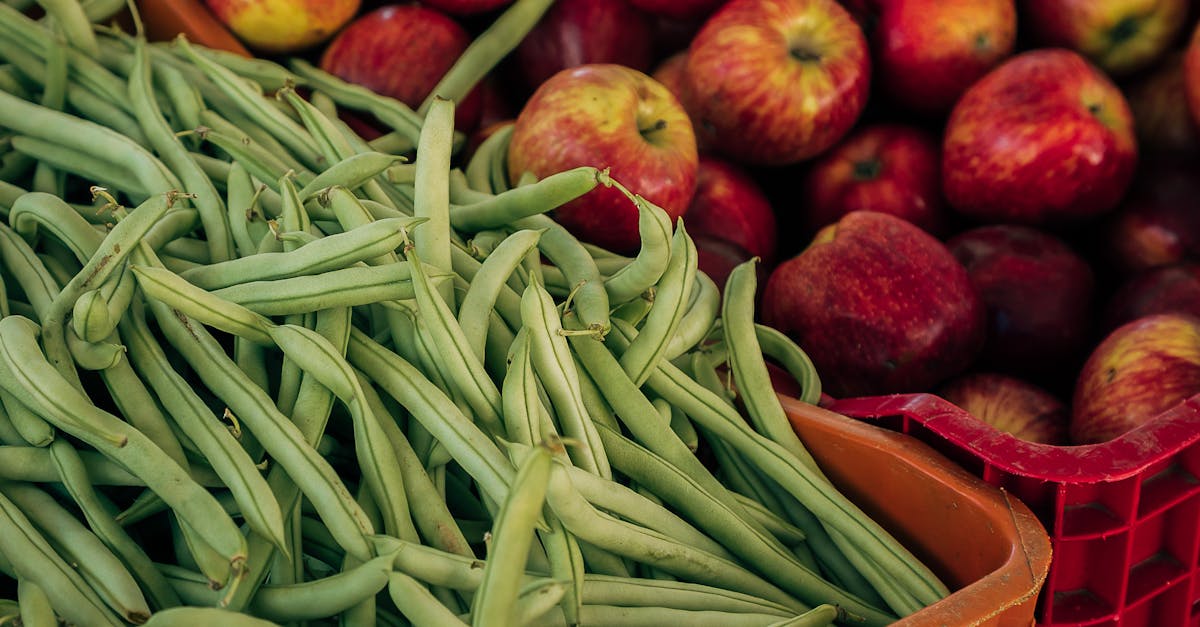
Pick beans while the pods are firm and crisp, before the seeds inside start to bulge. Pick every few days: the more you pick, the more the plants produce, and beans left on the vine too long turn tough and stringy and stop the plant from making more. Bush beans finish within a few weeks; pole beans keep going until frost.
Storing and preserving
Keep fresh beans in the refrigerator. For winter, blanch and freeze them, pickle them as dilly beans, or dehydrate them. If you can plain beans, use a pressure canner: they’re a low-acid food and a water-bath canner isn’t safe for them. You can also let some pods dry on the plant and shell them for soup beans.