Growing Kale
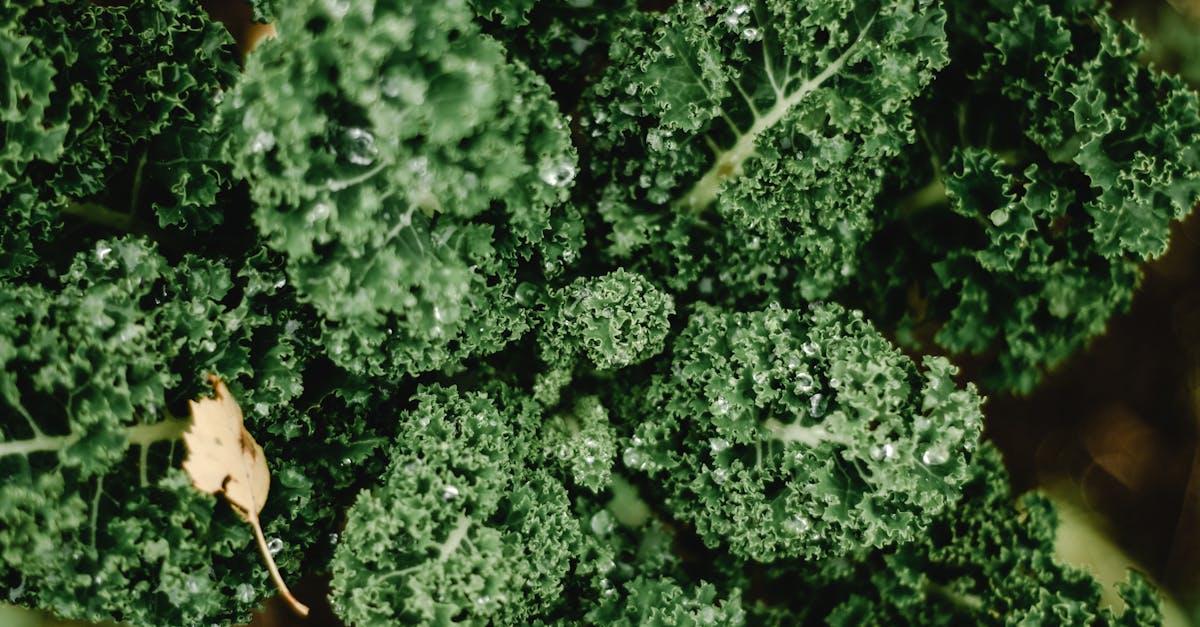
Kale is a cold-hardy leafy green and one of the most dependable crops for a long season here in Southwest Missouri (Zones 6b–7a). It grows in both spring and fall, tastes sweeter after a light frost, and with a little protection keeps going through much of the winter. Plant it early in spring or in late summer, keep the watering steady, and pick the outer leaves as you need them.
At a glance
- Sun: full sun to part sun, 6 or more hours a day
- Water: moderate and consistent
- Soil pH: 6.0–7.5
- Start: indoors from seed, or sow directly in the garden
- Spacing: 12–18 inches apart, rows 18–24 inches apart
- Plant out: late March to early April; for fall, late July to late August
- Harvest: 55–75 days from planting; late April to late June, then late September into winter
- How many: 3–5 plants per person for fresh eating, 8–12 if you plan to preserve
- Containers: yes, one plant per 3–5 gallon pot
Varieties that do well here
Our favorites for Southwest Missouri:
- Lacinato: also called dinosaur or Tuscan kale, with dark, bumpy leaves. Tender and full of flavor, and it handles heat.
- Red Russian: flat, reddish-green leaves that stay tender, on very cold-hardy plants.
- Winterbor: a productive curly kale that keeps going through winter.
Other good choices are Dwarf Blue Curled, a classic curly kale, Siberian, which is very cold-hardy with broad, thick leaves, and Premier, a fast grower for early and late plantings.
When to plant
Around Springfield the average last spring frost is about April 10, and the first fall frost comes around October 22. Kale is hardy: established plants take frost in stride, so it goes out well before the last frost date. The seeds sprout in soil anywhere from 45°F to 85°F.
- Start seeds indoors in February, 6–8 weeks before the last frost. They sprout in 5–8 days.
- Plant out or sow outdoors in late March to early April, 2–4 weeks before the last frost. Harden off indoor seedlings first, giving them a little more time outside each day for 7–10 days.
- For a fall crop, sow or transplant from late July to late August. Fall kale is often the best of the year, since the leaves sweeten after a light frost.
Soil and site
Kale does best in full sun but takes some shade, and a little afternoon shade helps late-spring plantings as the weather warms, since heat makes the leaves bitter. It wants rich, loamy, well-drained soil with plenty of organic matter, and it won’t tolerate waterlogged ground. Work compost in before planting and loosen compacted soil. Don’t plant kale where cabbage-family crops grew last year.
Planting
- Set transplants out once they have 3–4 true leaves, at the same depth they grew in their pots.
- Direct sow seeds ¼–½ inch deep, about 4 inches apart, then thin to 12–18 inches once the seedlings are 3–4 inches tall. If you only want baby leaves, 8–10 inches apart is enough.
- Leave 18–24 inches between rows.
- Cover young plants with floating row cover right away. It keeps cabbage moths from laying their eggs and keeps flea beetles off, with no spraying.
Water, mulch and feeding
- Water deeply and evenly, and don’t let the soil dry out completely. Uneven watering gives you tough, bitter leaves. A drip line or soaker hose keeps soil from splashing up onto the leaves.
- Mulch to hold moisture and keep weeds down.
- Feed with compost at planting. Kale likes steady fertility, so if growth slows, give it a light feeding.
Good neighbors
Garlic, onions, leeks, beets, celery and marigolds all grow well with kale. The onion family and marigolds help mask its scent from egg-laying cabbage moths, and dill and other flowering herbs bring in the tiny parasitic wasps that attack cabbage worms. Nasturtiums work as a trap crop, luring aphids away from the kale, and sweet alyssum is another good flower to plant nearby. Keep kale away from strawberries, tomatoes and pole beans, which compete with it and can stunt its growth.
Pests and diseases
Pests
- Cabbage worms: green caterpillars that chew large holes in the leaves. Hand-pick them, or keep the moths off with row cover.
- Aphids: cluster on the undersides of the leaves. Spray them with insecticidal soap.
- Flea beetles: riddle the leaves with small holes. Floating row cover keeps them off.
Diseases
- Black rot: yellow, V-shaped patches on the leaves that spread quickly in wet weather.
- Clubroot: stunts the plants and makes them wilt. It stays in the soil for years.
- Downy mildew: yellow spots on top of the leaves with gray fuzz underneath. Space plants so air can move between them.
Rotating away from the cabbage family, watering at the base and spacing plants well prevent most of these.
Harvest
Start picking once the leaves are 4–6 inches long. Take the outer, oldest leaves first, cutting them at the base of the stem, and leave the center of the plant alone so it keeps making new leaves. Pick in the morning for the best flavor and texture. Handled this way, one planting gives you leaves for months.
Kale left in the ground into warm weather will bolt, sending up tall flower stalks, and by then the leaves have usually turned bitter. That’s the time to pull it.
Storing and preserving
Keep kale in the refrigerator, loosely wrapped so air can move around it. For winter, blanch and freeze it, or dehydrate it into kale chips or powder. Freeze-dried kale is a handy addition to smoothies.
Winter
Kale is one of the toughest crops in the garden. Unprotected, it survives down to about 10–20°F, depending on the variety and the plant’s size, and under a row cover, low tunnel or cold frame you can often keep harvesting all winter. A layer of mulch around the plants helps too. Cold-hardy varieties like Winterbor, Red Russian and Siberian are the best bets for winter.