Growing Lettuce
Lettuce is a fast-growing, cool-season leafy green and one of the easiest, most forgiving crops you can grow. Here in Southwest Missouri (Zones 6b–7a) it does best in our cool springs and falls; summer heat makes it bolt and turn bitter. Sow small batches every couple of weeks, keep the soil moist, and you’ll have salad for months.
At a glance
- Sun: full sun to part shade; 4–6 hours a day is enough
- Water: moderate and consistent
- Soil pH: 6.0–7.0
- Start: sow directly, or start indoors 4–6 weeks before planting out
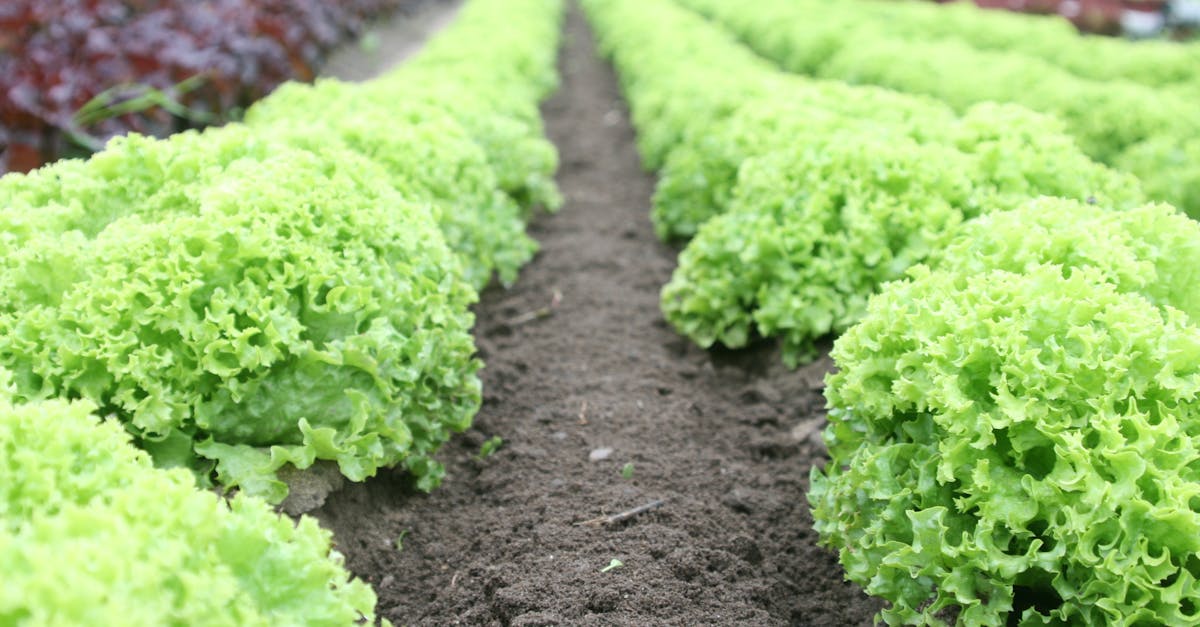
- Spacing: leaf lettuce 6–8 inches apart, heading types 10–12 inches, rows 12–18 inches apart
- Sow: early March to late April; for fall, late August to early September
- Harvest: 45–65 days from sowing; late April to early June, then late September to late November
- How many: 10 feet of row per person, sown in batches
- Containers: yes, in pots, window boxes and shallow troughs
Varieties that do well here
Lettuce comes in four main types. Leaf (loose-leaf) lettuce grows fast and is made for cut-and-come-again picking. Romaine (cos) forms tall, crunchy heads. Butterhead has soft, tender leaves in a loose head. Crisphead (iceberg) makes firm, dense heads and needs a longer season. Leaf and romaine types are the most reliable in a home garden.
Our favorites for Southwest Missouri:
- Jericho: a romaine that is slow to bolt in heat.
- Buttercrunch: a sweet, tender butterhead.
- Black Seeded Simpson: a fast, forgiving leaf lettuce.
Other good choices are Red Salad Bowl and Oak Leaf for leaf lettuce, Parris Island Cos, Little Gem and Green Towers for romaine, Bibb and Tom Thumb for butterhead, and Great Lakes or Summertime if you want to try crisphead. Winter Density and Arctic King are hardy types for late plantings.
When to plant
Around Springfield the average last spring frost is about April 10, and the first fall frost comes around October 22. Lettuce is half-hardy: established plants handle a light frost (28–32°F), and the seeds sprout in soil anywhere from 40°F to 75°F.
- Start seeds indoors in February, 4–6 weeks before you plan to plant out. Harden off the seedlings, giving them a little more time outside each day for 7–10 days.
- Sow or plant out from early March to late April, as soon as the soil can be worked.
- Sow small batches every 2–3 weeks for a steady supply, rather than one big planting.
- For fall, sow again from late August to early September.
- For greens in late fall and early spring, sow in a cold frame or low tunnel in early October.
Soil and site
Lettuce grows well in full sun in spring and fall, and it’s one of the few vegetables that gets by on 4–6 hours of sun. As the weather warms, afternoon shade helps keep it from bolting. It wants loose, fertile, loamy soil that holds moisture but still drains well. Its roots are shallow, so loosen the soil gently and work in compost before planting. Avoid compacted ground.
Planting
- Sow seeds just ⅛ inch deep. Lettuce seed needs light to sprout, so barely cover it, and keep the surface moist until the seedlings are up, in 7–10 days.
- Thin seedlings once they’re 2–3 inches tall: leaf lettuce to 6–8 inches apart, heading types to 10–12 inches. The thinnings make a good salad.
- Set transplants out once they have 4–6 true leaves, at the same depth they grew in their pots.
- Leave 12–18 inches between rows.
Water, mulch and feeding
- Water to keep the soil evenly moist. Lettuce wilts quickly when the soil dries out, and dry spells make it bitter. Water at the base rather than overhead, which helps keep disease down.
- Mulch to hold moisture and keep weeds down.
- Feed with compost at planting. Lettuce needs only moderate fertility; if growth slows, give it a light feeding.
Good neighbors
Carrots, radishes, onions, chives, cucumbers and strawberries all grow well with lettuce, and taller neighbors like cucumbers give it welcome afternoon shade in summer. Sweet alyssum and marigolds bring in beneficial insects that help keep pests in check. Keep lettuce away from broccoli, cabbage and fennel, which compete with it for nutrients or can hold back its growth.
Pests and diseases
Pests
- Aphids: cluster on the undersides of the leaves and can spread viruses. Encourage ladybugs and lacewings, or use insecticidal soap.
- Slugs and snails: chew ragged holes in the leaves in damp weather, especially in shady beds. Set out shallow beer traps or sprinkle diatomaceous earth around the plants.
- Cutworms: cut seedlings off at the soil line overnight. Put a paper collar around each new transplant.
Diseases
- Downy mildew: yellow patches on top of the leaves with gray fuzz underneath. Improve airflow and avoid overhead watering.
- Bottom rot: lower leaves touching the soil rot and turn black. Space plants well and harvest promptly.
- Lettuce mosaic virus: stunts the plants and mottles the leaves with pale patterns. Aphids spread it, so buy certified virus-free seed.
Rotating lettuce with unrelated crops, staying out of the bed while the leaves are wet, and pulling infected plants right away prevent most of these. Floating row cover protects young plants.
Harvest
- For leaf lettuce, start picking the outer leaves once they’re 4–6 inches long and let the center keep growing, or cut the whole plant at the base.
- Harvest heading types once the heads are firm and fully formed, cutting them with a knife just above the soil line.
- Pick in the morning, while the leaves are crisp and full of water.
Lettuce left in the garden too long, especially in warm weather, bolts: it sends up a flower stalk, and by then the leaves have usually turned bitter.
Storing
Lettuce is best eaten fresh and isn’t a preserving crop. Store it unwashed in the refrigerator, wrapped in a damp towel, and use it within a week. It loses its crispness quickly, so instead of growing a lot at once, keep sowing small batches every 2–3 weeks.