Growing Nasturtiums
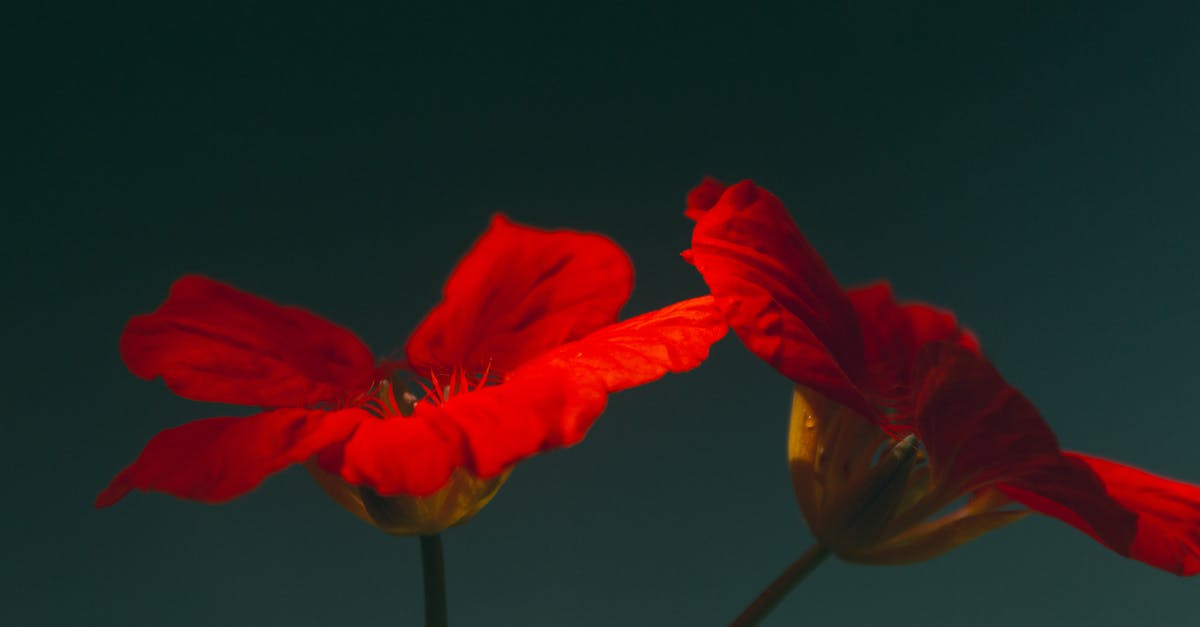
Nasturtiums (Tropaeolum majus) are cheerful annuals with round, lily-pad leaves and bright orange, red and gold flowers. Every part is edible: the leaves and flowers have a peppery bite, and the green seed pods pickle like capers. They’re also one of the best trap crops you can grow, drawing aphids away from your vegetables. Our warm springs and long falls here in Southwest Missouri (Zones 6b–7a) suit them, and they flower best when you leave them alone.
At a glance
- Sun: full sun to part sun, 6 or more hours a day
- Water: moderate
- Soil pH: 6.0–7.5
- Sow: directly in the garden after the last frost
- Spacing: 10–12 inches apart, rows 18–24 inches apart
- Depth: ½–1 inch; sprouts in 7–12 days
- Harvest: flowers 45–55 days from seed, then June until frost
- How many: 2–4 plants for fresh use, 4–6 if you want pods to pickle
- Containers: yes; they do well in pots and hanging baskets
Varieties that do well here
- Jewel Mix: compact, bushy plants in bright mixed colors.
- Alaska: cream-marbled leaves that look good in beds and salads.
- Empress of India: deep red flowers and dark leaves.
Nasturtiums come in two habits. Bush types stay compact, about 12–18 inches tall. Trailing types can run up to 10 feet, climbing a fence or spilling out of a hanging basket.
When to plant
Nasturtiums are tender, and frost kills them. Around Springfield the average last spring frost is about April 10, and the first fall frost comes around October 22.
- Sow outdoors from late April through May, once the soil has warmed to 60–70°F.
- Soak the seeds overnight before sowing to speed sprouting.
- Skip starting them indoors. The big seeds sprout quickly in the garden, and the seedlings don’t like being transplanted.
Soil and site
Nasturtiums grow best in poor to average, well-drained sandy or loamy soil. Skip the compost and fertilizer: rich soil gives you lots of leaves and few flowers. They’re good at the edges of beds, in containers and in hanging baskets.
Give them full sun to part sun. Afternoon shade helps in July and August, when plants often slow down. They pick back up and bloom heavily again in fall.
Planting
- Sow seeds ½–1 inch deep and 10–12 inches apart.
- Give trailing types a fence or trellis to climb, or let them spill over a wall or basket edge.
- Water gently after sowing.
- To use them as a trap crop, plant a few 3–4 feet from your squash, cucumbers and cabbage.
Water and care
- Water during dry spells, and don’t overwater. Soggy soil leads to root rot.
- Mulch keeps the roots cool through summer heat.
- Don’t feed them.
- Pick off faded flowers to keep new ones coming, unless you want seed pods.
Good neighbors
Nasturtiums help almost everywhere in the garden. Grow them near squash, cucumbers, tomatoes, cabbage, kale, beans and radishes: they lure aphids and flea beetles away from vegetables and may help repel squash bugs. Calendula, marigolds and alyssum alongside them make a colorful, pest-fighting border, and the nectar-filled flowers draw bees and hummingbirds. They have no bad neighbors of note.
Pests and diseases
Pests
- Aphids: black aphids gather on the stems. That’s the trap crop doing its job. Check the plants weekly, and pull and bag any that are badly infested, then sow a new one.
- Flea beetles: chew small holes in the leaves.
- Cabbage worms: chew the leaves when nasturtiums grow alongside cabbage-family crops.
Diseases
- Bacterial leaf spot: dark spots on the leaves in wet weather.
- Root rot: only in soggy soil.
Space plants for airflow, water at the base, and remove heavily infested plants to take the pests away with them.
Harvest
- Pick flowers and young leaves for salads. Use them within a day or two; they wilt quickly.
- Pick seed pods while they’re still green if you want to pickle them.
The leaves and flowers have a peppery flavor a lot like arugula. Use them in salads, sandwiches and herb butter. Nasturtium leaves are traditionally eaten for seasonal wellness. Food amounts are safe for most people, but avoid large amounts if you have kidney concerns, and talk with your healthcare provider before using herbs medicinally if you’re pregnant, nursing or taking medication.
Storing and preserving
Nasturtium leaves and flowers are best fresh. Pickling the green seed pods in vinegar, as “poor man’s capers,” is the best way to preserve them. You can also steep the flowers in vinegar for a peppery, colorful vinegar.
To grow them again next year, let a few seed pods dry on the plant, then collect them and store them somewhere cool and dry until spring.