Growing Okra
Okra is a warm-season annual grown for its tender pods, and its big, hibiscus-like flowers make it one of the prettiest plants in the vegetable garden. It loves the long, hot, humid summers we get here in Southwest Missouri (Zones 6b–7a) and keeps producing until frost. The keys are waiting for truly warm soil before you sow, and picking the pods every couple of days once they start.
At a glance
- Sun: full sun, 6–8 or more hours a day
- Water: moderate; regular while the plants are young, after which they handle heat and drought well
- Soil pH: 6.0–6.8
- Sow: directly in the garden, late May to early June
- Spacing: 12–18 inches apart, rows 3 feet apart
- Depth: ½–1 inch
- Harvest: 55–65 days from sowing, from early July until frost
- How many: 3–4 plants per person for fresh eating, 8–12 if you plan to preserve
- Containers: yes, a compact variety in a 5 gallon pot
Varieties that do well here
Our favorites for Southwest Missouri:
- Clemson Spineless: the longtime standard, dependable and spineless.
- Jambalaya: compact, early and productive.
- Burgundy: red pods and stems that taste as good as they look.
Other good choices are Annie Oakley II, an early dwarf variety, Emerald, with long, smooth, deep-green pods, and Jing Orange, with red-orange pods.
When to plant
Around Springfield the average last spring frost is about April 10, and the first fall frost comes around October 22. Okra is very tender. It needs soil of at least 70°F and nights that stay above 60°F, which here usually means late May to early June. Seed sown in cool soil sprouts slowly and poorly.
- Sow directly in the garden. Okra has a taproot and doesn’t like being transplanted, and direct-sown plants grow stronger.
- Soak the seeds in warm water overnight before planting. It softens their hard coats and helps them sprout, which takes 7–14 days.
Soil and site
Give okra full sun. In too little sun it grows weak and makes few pods. It likes loose, loamy, well-drained soil with some organic matter and moderate fertility. Work in compost before planting, and go easy on nitrogen, which gives you leaves rather than pods. Loose soil lets its deep roots spread.
Planting
- Sow seeds ½–1 inch deep, about 3 inches apart.
- Thin the seedlings to 12–18 inches apart once they’re 4–6 inches tall.
- Leave 3 feet between rows; the plants grow tall and bushy.
Water, mulch and feeding
- Water regularly while the plants are getting established. Once they’re growing well, okra stands up to heat and drought better than most vegetables, but it still produces best with steady moisture. Water at the base, with a drip line or soaker hose if you have one, rather than wetting the leaves.
- Mulch to hold moisture and keep weeds down.
- Feed with compost at planting. Okra needs only moderate fertility.
Good neighbors
Basil, peppers, tomatoes, eggplant, cucumbers and squash all grow well with okra. Its flowers pollinate themselves, but bees greatly improve pod set, and since each bloom opens for just one day, a garden busy with pollinators means more pods. Marigolds and zinnias bring them in. Keep okra away from fennel, sweet potatoes and broccoli, which compete with it for space and nutrients or hold back its growth.
Pests and diseases
Pests
- Aphids: cluster on new growth and buds, curling and stunting the leaves. Ladybugs and lacewings help keep them down.
- Japanese beetles: skeletonize the leaves in groups, mostly in midsummer heat. Hand-pick them in the early morning, when they’re slow.
- Stink bugs: pierce the developing pods, leaving them scarred and misshapen. Hand-pick them when you see them.
Diseases
- Verticillium wilt: leaves yellow and wilt. It’s a soil-borne fungus and hits stressed plants hardest.
- Fusarium wilt: similar wilting, worse in warm, poorly drained soil.
- Powdery mildew: a white, powdery coating on the leaves, most common late in the season.
Planting okra in a new spot each year, spacing plants for airflow, keeping weeds down and avoiding overhead watering prevent most of these.
Harvest
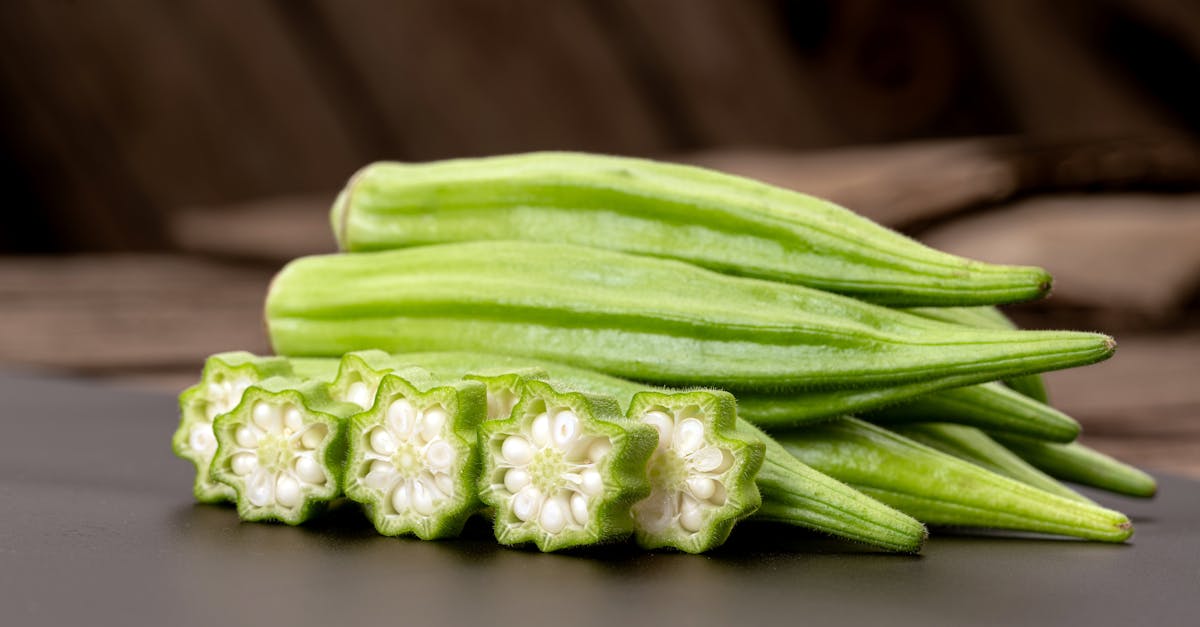
Okra pods are ready just 4–6 days after the flower opens. Pick them every 2–3 days at 2–4 inches long, cutting them from the stem with pruners or a sharp knife. Pods left too long turn tough and woody, and the plant slows down. Wear gloves, since the pods and stems can be prickly and irritate your skin.
As long as you keep picking, okra produces until the first frost, around October 22, slowing down as the nights cool in fall.
Storing and preserving
Keep fresh okra unwashed in the refrigerator for up to a week; washing it ahead of time makes it slimy. For longer storage, blanch and freeze it, plain or breaded, pickle it, dehydrate it into crispy snacks, or pressure can it in gumbo.