Growing Onions
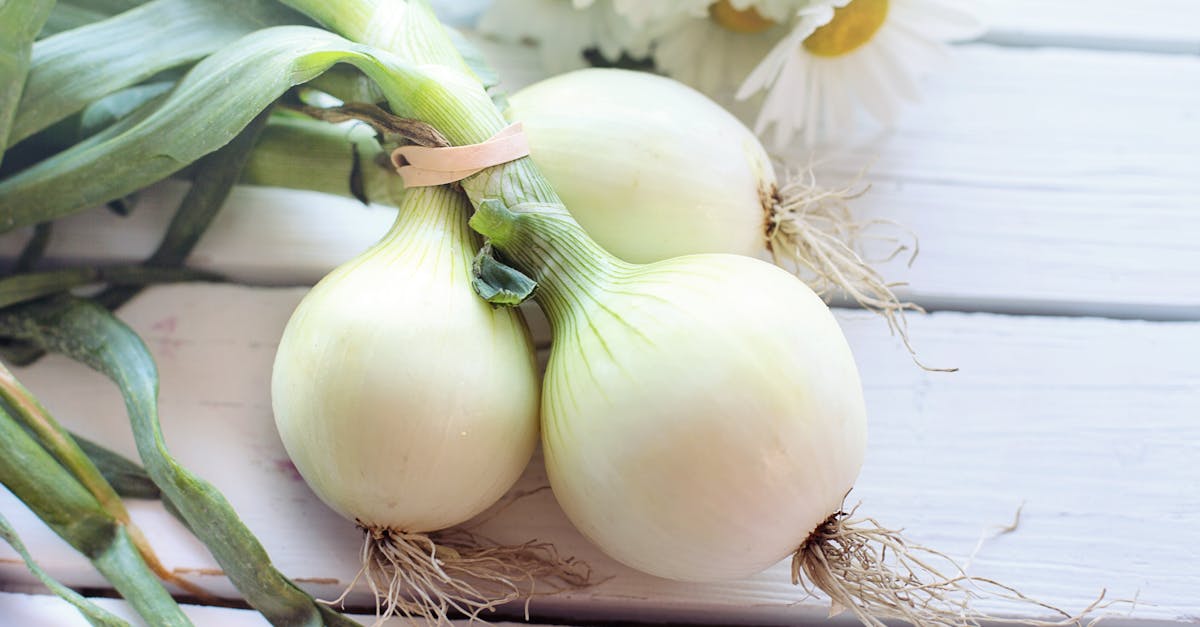
Bulb onions (Allium cepa) are a cool-season crop that grows very well here in Southwest Missouri (Zones 6b–7a) when planted early, and well-cured onions keep all winter. Onions are day-length sensitive: the length of the day, not just the temperature, tells them when to start making bulbs. So the two things that matter most are choosing the right type for our latitude and getting them in the ground in early spring.
At a glance
- Sun: full sun, 6–8 or more hours a day
- Water: moderate and steady while the leaves grow, then less as the bulbs mature
- Soil pH: 6.0–7.0
- Start: seeds indoors, sets or transplants
- Spacing: 4 inches apart, rows 12–18 inches apart
- Plant out: early March to early April
- Harvest: late June to late July, 90–120 days after planting
- How many: 40–60 plants per person for fresh use, 100 or more if you plan to store them
- Containers: yes, for green onions or a few bulbs in a wide, shallow pot
Varieties that do well here
Onions are grouped by how much daylight they need before they start making bulbs. Short-day onions are bred for the southern U.S. and aren’t the best choice here. Intermediate-day and long-day onions do best in Southwest Missouri.
Our favorites:
- Candy: a large, sweet intermediate-day onion that suits our latitude.
- Copra: a long-day storage onion that keeps for months.
- Red Candy Apple: a sweet red intermediate-day onion.
Yellow and White Sweet Spanish are other good choices, with large, mild bulbs. Walla Walla is very sweet but doesn’t store well, so grow it for fresh eating.
When to plant
Around Springfield the average last spring frost is about April 10, and the first fall frost comes around October 22. Onions are hardy and tolerate light frost, so they go in well before the last frost date. Planting early gives them our long, slowly warming spring to grow before summer heat and longer days tell them to finish their bulbs.
- Start seeds indoors from early January to early February, 8–10 weeks before you plan to plant out. Sow them ¼ inch deep; they sprout in 7–14 days.
- Plant out sets, transplants or your own seedlings from early March to early April, once the soil can be worked. Harden off seedlings first, giving them a little more time outside each day for 7–10 days.
Soil and site
Pick a spot in full sun; onions in too little sun make small bulbs. They want loose, fertile, loamy soil with excellent drainage, so the bulbs have room to swell and don’t sit wet. Work compost into the top 6–8 inches, avoid compacted or rocky ground, and don’t use fresh manure. Don’t plant onions where onions, garlic or leeks grew last year.
Planting
You can grow onions three ways. Seeds give the strongest, longest-storing onions. Sets, the small dry bulbs sold in spring, are the easiest to plant but bolt more readily. Transplants, sold in bundles of young plants, are a good balance of ease and reliability.
- Plant sets 1 inch deep, pointed end up.
- Set transplants and seedlings at the same depth they grew before.
- Space onions 4 inches apart, in rows 12–18 inches apart.
- Water well after planting.
Water, mulch and feeding
- Water regularly while the leaves are growing, keeping the soil moist but never soggy, since wet soil rots the bulbs. Cut back as the bulbs mature, and stop once the tops begin to fall over. Water at the base rather than over the leaves.
- Mulch with straw or grass clippings. Onions are shallow-rooted and compete poorly with weeds, so keep the bed weeded too.
- Feed with compost at planting, and give a light feeding if growth slows.
Good neighbors
Carrots, beets, lettuce, cabbage, tomatoes and peppers all grow well with onions, whose strong scent helps keep many garden pests away. Chamomile and yarrow bring in beneficial insects that help protect the whole bed. Keep onions away from beans, peas and asparagus, which are stunted by compounds onions release into the soil.
Pests and diseases
Pests
- Onion maggots: the larvae tunnel into the bulbs and roots, causing wilting, yellowing and rot. Floating row cover early in the season keeps them off.
- Thrips: tiny insects that rasp the leaves, leaving silvery streaks and curled leaves. Spray them off with water or use insecticidal soap.
- Cutworms: cut seedlings off at the soil line at night. Hand-pick them in the evening.
Diseases
- Downy mildew: grayish-purple fuzzy growth on the leaves, worst in cool, damp weather.
- White rot: white fungal growth at the base of the bulb, which softens and decays.
- Neck rot: shows up in storage, mostly in bulbs that were bruised or poorly cured.
Rotating onion beds every year, good drainage and airflow, a weed-free bed and thorough curing prevent most of these.
Harvest
Onions are ready from late June to late July, when the tops turn yellow and fall over on their own and the outer skins turn papery. Pull them, or loosen the soil with a garden fork first, and handle them gently, since bruised onions rot in storage. If the weather is dry, you can leave them on the ground for a day or two to start drying.
Curing and storing
Curing toughens the skins and dries the necks, and it’s the secret to onions that keep all winter. Spread them out in a warm, dry, shaded spot with good airflow, such as a shed or covered porch, for 1–2 weeks, until the necks are tight and dry. Then trim the roots and cut the tops back, leaving about an inch of neck.
Store cured onions cold and dry, at 32–40°F, in mesh bags or anywhere air can move around them. Check them now and then and use any that turn soft or start to sprout. Onions also dehydrate well into flakes or powder, and you can freeze them chopped or pickle them.