Growing Peppers
Peppers (Capsicum annuum and related species) run from mild bells and frying peppers to fiery habaneros, and all of them love the long, hot summers here in Southwest Missouri (Zones 6b–7a). They grow slowly at first and don’t tolerate cold soil or big temperature swings, so an early start indoors and patience at planting time matter most. Once the heat arrives, a few plants keep you picking into fall.
At a glance
- Sun: full sun, 6–8 or more hours a day
- Water: moderate and steady; let the soil dry slightly between deep waterings
- Soil pH: 6.0–6.8
- Start: indoors from seed, 8–10 weeks before the last frost, or buy transplants
- Spacing: 18 inches apart, rows 24–36 inches apart
- Plant out: May, once the soil is 65°F or warmer
- Harvest: early July to early October, starting 60–90 days after planting out
- How many: 3–5 plants per person for fresh eating, 8–12 if you plan to preserve
- Containers: yes, one of the best crops for pots; use a 3–5 gallon container
Varieties that do well here
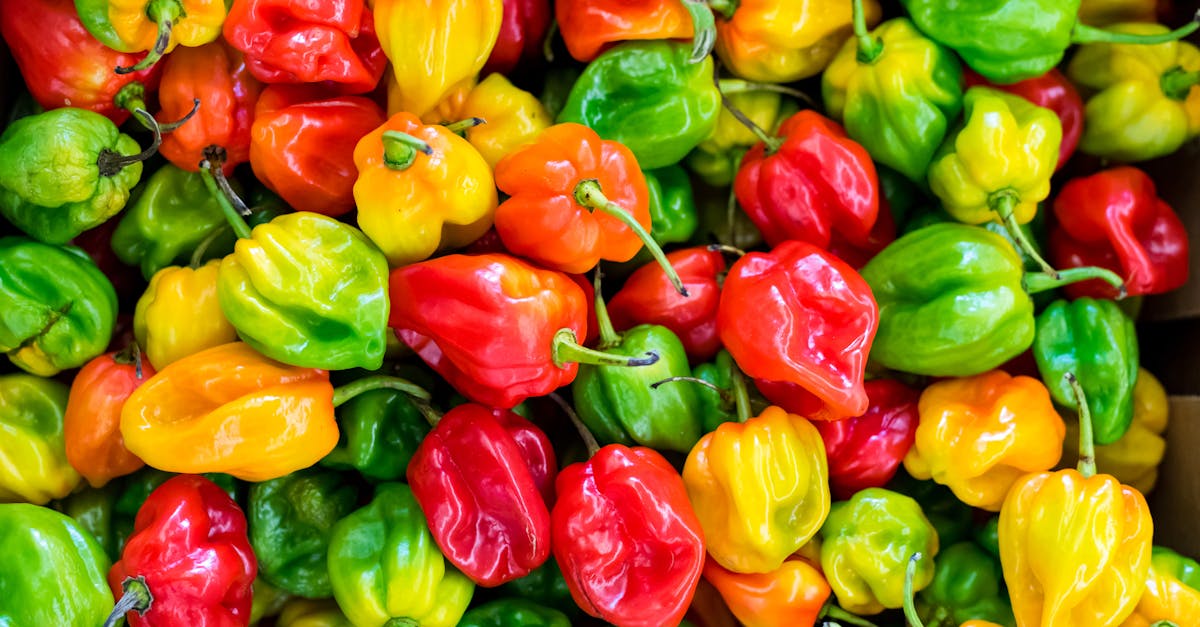
Peppers come in two broad groups: sweet peppers, such as bells, banana peppers and Italian frying peppers, and hot peppers, such as jalapeño, cayenne and habanero.
Our favorites for Southwest Missouri:
- Carmen: a sweet Italian frying pepper that sets fruit reliably.
- Ace: an early, dependable bell for our area.
- Jalapeño: productive and heat-loving.
Other good choices are California Wonder for a classic bell, banana peppers for pickling, Serrano for salsa and Habanero if you want serious heat. If bacterial leaf spot has been a problem in your garden, look for varieties that resist it.
When to plant
Around Springfield the average last spring frost is about April 10, and the first fall frost comes around October 22. Peppers usually go out a little later than tomatoes.
- Start seeds indoors in late February to early March, 8–10 weeks before the last frost. Sow them ¼ inch deep. They’re slow to sprout, taking 7–21 days, and slow to grow at first, which is why they need the early start.
- Plant outdoors in May, after all danger of frost, once the soil is 65°F or warmer and nights stay above 55°F. Set out into cold soil, they stall.
- Harden off seedlings carefully first: set them outside for a few hours a day, a little longer each day, for 7–10 days.
Soil and site
Give peppers your sunniest, warmest, most sheltered spot; more sun means more fruit and better flavor. They want loamy soil with plenty of organic matter and moderate fertility, and drainage matters a lot, because peppers don’t like wet feet. Raised beds drain well and warm up sooner in spring, which suits them. Work compost in before planting and skip high-nitrogen fertilizer: too much nitrogen gives you big leafy plants with few peppers.
Planting
- Set transplants at the same depth they grew in their pots.
- Space plants 18 inches apart, with 24–36 inches between rows, so air can move around them.
- In a cool spring, black plastic laid over the bed warms the soil faster.
- Water well after planting.
Water, mulch and feeding
- Water deeply at the base of the plant, then let the soil dry slightly before watering again. Keep the moisture even: dry spells followed by soakings lead to blossom end rot. Drip lines or soaker hoses keep the leaves dry.
- Mulch with straw, shredded leaves or grass clippings once the soil has warmed. It holds warmth and moisture and keeps weeds down.
- Feed lightly: compost at planting, then a side-dressing of compost or a balanced fertilizer when the first fruits set.
- Support plants with a stake or small cage once fruit begins to set. Pepper branches are brittle, and a heavy crop can snap them.
- Pinch off the earliest flowers so young plants put their energy into growing stronger first.
During heat waves, plants often drop their blossoms. They start setting fruit again when the weather cools.
Good neighbors
Basil, onions, garlic, carrots and marigolds grow well near peppers, and basil is said to improve their flavor and help keep pests away. Nasturtiums and petunias nearby bring in pollinators and help repel aphids. Pepper flowers pollinate themselves, but bees visiting them still improve fruit set and size. Keep peppers away from fennel, which can stunt them, and from kohlrabi and beans, which compete for nutrients or share pests.
Pests and diseases
Pests
- Aphids: cluster on new growth and the undersides of leaves, curling them and leaving a sticky residue. They also spread mosaic virus. Spray them off with water or use insecticidal soap.
- Pepper weevils: lay eggs inside developing fruit, which then drops early or is damaged inside.
- Flea beetles: chew small round holes in the leaves. They do the most harm to seedlings and new transplants.
Diseases
- Bacterial leaf spot: dark, water-soaked spots on the leaves that spread quickly in warm, wet weather.
- Blossom end rot: a dark, sunken patch at the bottom of the fruit. It’s linked to uneven watering, which keeps calcium from reaching the fruit.
- Mosaic virus: mottled leaves and stunted plants. Aphids spread it and there’s no cure, so pull infected plants.
- Phytophthora blight: a soil-borne disease that wilts plants and rots the fruit, worst in soggy soil. Good drainage is the best defense.
Most of these are prevented the same way: plant peppers in a different spot each year, water at the base instead of overhead, and keep the soil evenly moist.
Harvest
Peppers start ripening 60–90 days after planting out, usually from early July. Pick bell peppers green, or leave them on the plant to turn red, yellow or orange; they get sweeter as they color. Pick hot peppers once they’re fully colored for the most heat and flavor. Cut them off with pruners or scissors, leaving about an inch of stem, rather than pulling, which can break the brittle branches. Picking often keeps the plants producing. Before the first frost, pick everything that’s left.
Storing and preserving
Keep peppers you’ll eat soon on the counter: refrigeration dulls their flavor. For winter, peppers freeze well without blanching. Wash, stem and slice them, freeze them on a tray, then bag them. You can also pickle them, can them as salsa, dehydrate them, or string hot peppers into ristras to dry.