Growing Potatoes
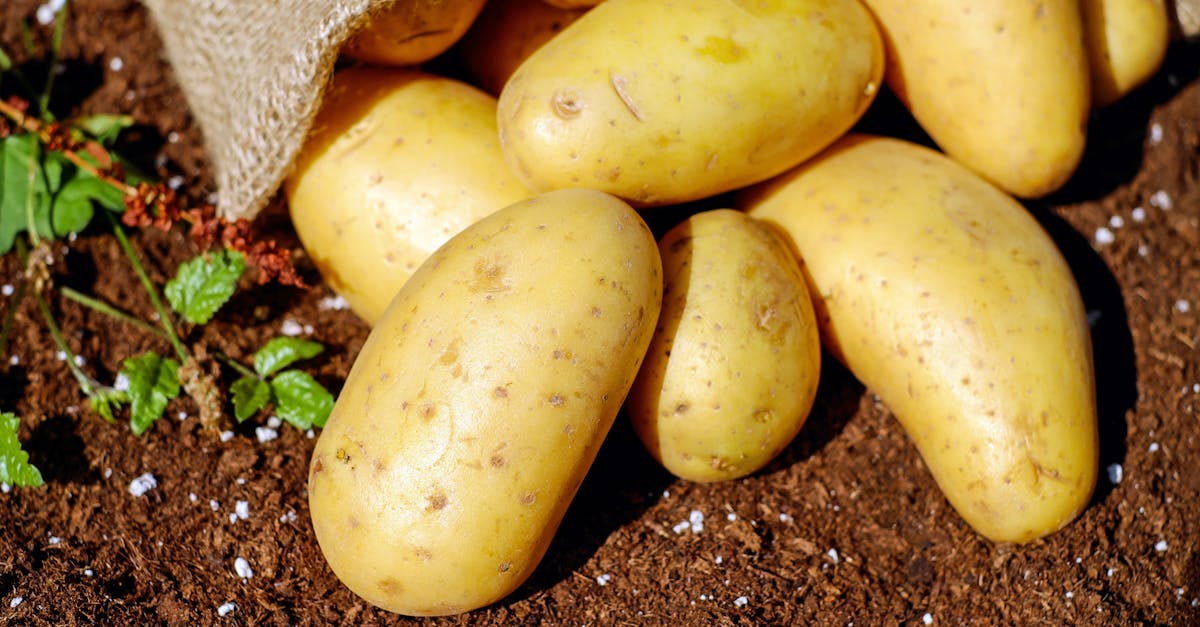
Potatoes are a cool-season crop grown from pieces of potato, not from seed, and they’re one of the most useful staples you can grow here in Southwest Missouri (Zones 6b–7a). Planted in March, they grow through our cool spring and are ready to dig before the worst of the summer heat. Loose, well-drained soil and regular hilling are what make a good crop.
At a glance
- Sun: full sun, 6–8 or more hours a day
- Water: moderate and steady, especially while the tubers are forming
- Soil pH: 5.0–6.5; slightly acidic soil helps prevent scab
- Start: certified seed potatoes, planted straight in the garden
- Spacing: 10–12 inches apart, rows 30–36 inches apart
- Plant: early March to early April, 4 inches deep, then hill
- Harvest: late June to early August, 70–120 days after planting
- How many: 10–20 feet of row per person for fresh eating, 50–100 feet if you plan to store or preserve
- Containers: yes, a 10–15 gallon grow bag holds 3–5 seed pieces
Varieties that do well here
Potatoes are grouped by how long they take to mature. Early varieties are ready first and are best for eating fresh; late varieties take longer and are the ones to grow for storage.
Our favorites for Southwest Missouri:
- Kennebec: a late white potato with big yields. It resists late blight and is a great keeper.
- Yukon Gold: early, buttery and versatile.
- Red Pontiac: a red potato that’s dependable in heavy soil and heat.
Other good choices are Red Norland, a very early red that resists scab, and Irish Cobbler, an early white potato and longtime favorite. For a russet, try Norgold Russet or Russet Norkotah; German Butterball is a golden-fleshed late potato worth a try.
When to plant
Around Springfield the average last spring frost is about April 10, and the first fall frost comes around October 22. Potatoes are half-hardy: once they’re up, they handle a light frost.
- Plant seed potatoes from early March to early April, best in mid to late March, 2–4 weeks before the last frost. Wait until the soil is 45–55°F and dry enough to work.
- Watch for frost once the shoots are up, 2–3 weeks after planting. If a hard frost is forecast, cover them overnight with frost cloth or row cover.
Soil and site
Potatoes need loose, well-drained soil the tubers can push through: a sandy loam, or garden soil with plenty of compost, loosened at least 12 inches deep. Rake out rocks and clods. Heavy clay holds too much water and can rot the seed pieces, so in clay, raised beds or trenches filled with amended soil work very well. Don’t use fresh manure or wood ash on a potato bed; both make scab worse.
Choose a sunny spot where tomatoes, peppers and eggplant haven’t grown for 2–3 years. All four are nightshades and share soil-borne diseases.
Planting
- Buy certified seed potatoes. Grocery-store potatoes can carry disease.
- Plant small seed potatoes whole. Cut larger ones into pieces about 1½–2 inches across, each with at least 1–2 eyes (buds), and let the pieces dry in a warm, dry place for 1–2 days so the cut surfaces heal over.
- Set the pieces 4 inches deep, eyes up, 10–12 inches apart, with 30–36 inches between rows. Cover them with soil and water if the ground is dry.
Hilling
Tubers form on underground stems above the seed piece, so pile soil around the plants as they grow to keep the tubers covered. Any that see daylight turn green.
- When plants are 6–8 inches tall, pull soil up around the stems until about half the plant is covered.
- Repeat every 2–3 weeks as the plants grow.
- A layer of straw over the hills helps keep tubers covered and the soil cool and moist.
Water, mulch and feeding
- Water deeply and evenly, about 1–2 inches a week, especially once tubers start forming, without keeping the soil soggy. Drip lines or soaker hoses keep the leaves dry, which helps prevent blight.
- Ease off watering as the tops begin to yellow and die back.
- Mulch with straw, grass clippings or shredded leaves to hold moisture, keep weeds down and keep the soil cool. Hot soil slows tuber growth.
- Feed with compost and a balanced fertilizer at planting. Go easy on nitrogen, which gives you lush tops and few potatoes.
Good neighbors
Beans, corn, cabbage, marigolds and horseradish grow well near potatoes. Beans add nitrogen to the soil, and marigolds, horseradish and nasturtiums help repel potato pests. Keep potatoes away from tomatoes, which share late blight with them, and from squash and sunflowers.
Pests and diseases
Pests
- Colorado potato beetles: adults and larvae strip the leaves fast. Watch for them early, hand-pick them, and cover young plants with row cover.
- Wireworms: tunnel into the tubers. They’re most common in beds recently dug out of lawn.
- Aphids: cluster on new growth and the undersides of leaves, and can spread viruses from plant to plant.
Diseases
- Late blight: dark, water-soaked patches on the leaves that spread fast in cool, damp weather.
- Early blight: dark spots with rings like a target, starting on the older, lower leaves.
- Scab: rough, corky patches on the skin. It’s worse in alkaline soil and after fresh manure, so keep the pH slightly acidic.
Most of these are prevented the same way: plant potatoes away from where nightshades grew, keep the tubers hilled, and water at the base instead of overhead.
Harvest
Potato flowers have nothing to do with the crop: tubers form whether or not the flowers are pollinated, and some plants never bloom.
- New potatoes: dig them 2–3 weeks after the plants flower, when they’re small and tender.
- Storage potatoes: wait until the tops yellow and die back, then leave the potatoes in the ground another 2–3 weeks so the skins toughen.
- Dig with a garden fork, starting several inches out from the plant so you don’t spear the tubers. Let them dry on the ground in the shade for a few hours and brush off loose soil. Don’t wash them until you’re ready to cook them.
Curing
Cure potatoes before you store them. Keep them somewhere dark and humid at 50–60°F for 10–14 days. Curing heals small cuts and toughens the skin so they keep for months. Eat any badly cut or bruised potatoes first; they won’t store.
Storing and preserving
Store cured potatoes at 40–45°F in complete darkness, with high humidity (85–90%): a root cellar or a cool basement works. Keep them away from apples and pears, which give off ethylene gas that makes potatoes sprout.
To preserve them, pressure can them (potatoes are a low-acid food, so a water-bath canner isn’t safe), dehydrate them, or freeze them as fries or hash browns.