Growing Rosemary
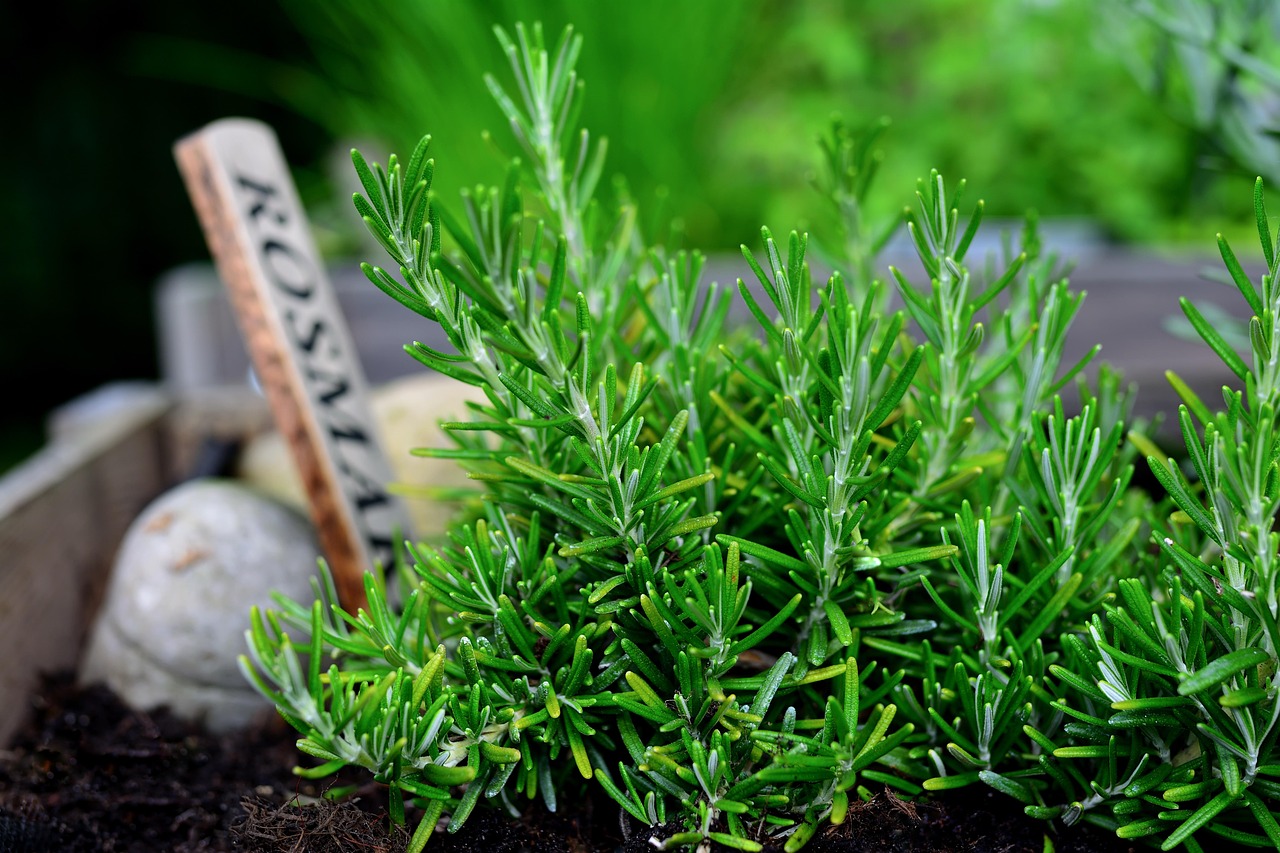
Rosemary (Salvia rosmarinus, formerly Rosmarinus officinalis) is a fragrant, woody herb grown for cooking and for its scent. It’s hardy to Zone 7 but not reliably through a 6b winter, so here in Southwest Missouri most of us grow it as a tender perennial: in a pot that comes inside for winter, or in the ground in a sheltered spot with a hardy variety. Either way it wants full sun, dry roots and sharp drainage. Wet winter soil kills it faster than cold.
At a glance
- Sun: full sun, 6–8 or more hours a day
- Water: low once established
- Soil pH: 6.5–8.0
- Start: transplants or cuttings; seed is slow and unreliable
- Spacing: 24–36 inches apart, rows 3 feet apart
- Plant out: May, once the soil reaches 60°F
- Harvest: 90–100 days after planting out, then June through October
- How many: 1 plant for fresh use, 2 if you plan to dry it
- Containers: yes, a 5–10 gallon pot you can bring inside for winter
Varieties that do well here
- Arp: one of the hardiest rosemaries; it often survives a 6b winter in a protected spot.
- Madeline Hill (Hill Hardy): cold-tolerant, with excellent flavor.
- Tuscan Blue: upright and vigorous; a good one to grow in a pot and bring inside.
Salem is another compact, fairly cold-tolerant choice for containers. Blue Boy isn’t cold-hardy here.
When to plant
Our average last frost is about April 10, but rosemary can’t stand cold, wet soil, so wait until May to plant it out, after all danger of frost and once the soil has warmed to 60°F.
Seed sprouts poorly, so buy transplants or root cuttings. In late spring or early summer, cut 4–6 inch tips of new, flexible growth, strip the lower leaves and set them in damp seed-starting mix or perlite, out of direct sun. They root in 3–4 weeks.
Soil and site
Rosemary needs lean, very well-drained sandy or gravelly soil. Skip compost and manure, and mix sand, gravel or perlite into heavy soil. Raised beds and containers are the surest way to give it the drainage it needs; in pots, terracotta dries out faster than plastic. For a plant in the ground, a bed against a south-facing wall gives it the best chance of making it through winter.
Pick a bright, open spot with good airflow. In too little sun it grows weak and loses flavor.
Planting
- Set plants at the same depth they grew in the pot. Don’t bury the crown or the base of the stems.
- Space them 24–36 inches apart.
- Water well after planting.
Water and pruning
- Water regularly until plants are established, then let the soil dry between waterings. Overwatering is the most common cause of failure.
- Water at the base, not over the leaves.
- Don’t pile mulch around the base.
- Prune lightly in spring and after flowering to keep the plant’s shape and let air through. Never cut into old, bare wood, which may not regrow.
Good neighbors
Lavender, thyme, sage, oregano, yarrow, echinacea and roses all share rosemary’s taste for dry, sunny ground. When it flowers, its pale blue blooms feed early-season bees, and lavender, calendula and cosmos nearby keep them coming. Keep rosemary away from basil, cilantro, parsley, lettuce and mint, which want richer, wetter soil.
Pests and diseases
Pests
- Aphids: occasional, mostly on plants indoors. Rinse them off with water.
- Spider mites: fine webbing and speckled leaves, mostly indoors in dry winter air. Rinse plants weekly.
Diseases
- Root rot: caused by too much water or poor drainage.
- Powdery mildew: common on plants kept indoors over winter with poor airflow. Prune lightly to open the plant, and a small fan nearby helps.
Excellent drainage, full sun, proper spacing and watering at the base prevent most of these.
Harvest
- Cut sprigs any time the plant is growing, but never more than a third of the plant at once.
- Leave 2–3 inches of growth on each stem so it can branch again.
- Morning, after the dew dries, is the best time.
Rosemary goes with roasted meats, potatoes, bread and beans. A rosemary rinse is traditionally used for scalp health. Culinary amounts are safe; avoid concentrated rosemary oil and medicinal amounts during pregnancy, and talk with your healthcare provider before using herbs medicinally if you’re pregnant, nursing or taking medication.
Storing and preserving
Fresh sprigs keep 1–2 weeks in the refrigerator, wrapped in a damp paper towel. Rosemary keeps its flavor very well dried, which makes it one of the easiest herbs to preserve. Hang sprigs in a warm, dark place until fully dry, strip the leaves and store them whole in an airtight container away from light. Use them within a year. You can also infuse fresh sprigs in vinegar, or dried rosemary in oil.
Winter
A pot is the most reliable way to keep rosemary through winter here.
- A week or two before bringing it in, move the pot to a shadier spot outdoors so it adjusts to lower light.
- Rinse the leaves and check the undersides for pests.
- Bring it inside before hard freezes, before nights drop below 30°F.
- Give it the brightest, coolest window you have. Water sparingly, but never let the root ball dry out completely. Most indoor rosemary is lost to soil that’s either bone dry or soggy; aim for barely moist.
- Expect some leaf drop the first few weeks. It’s normal.
To grow it in the ground, plant a hardy variety like Arp or Madeline Hill in your best-drained spot. Stop pruning by early September so new growth can harden off. Once the ground cools, mulch lightly over the roots (not against the stems), and cover the plant during deep cold snaps.