Growing Sage
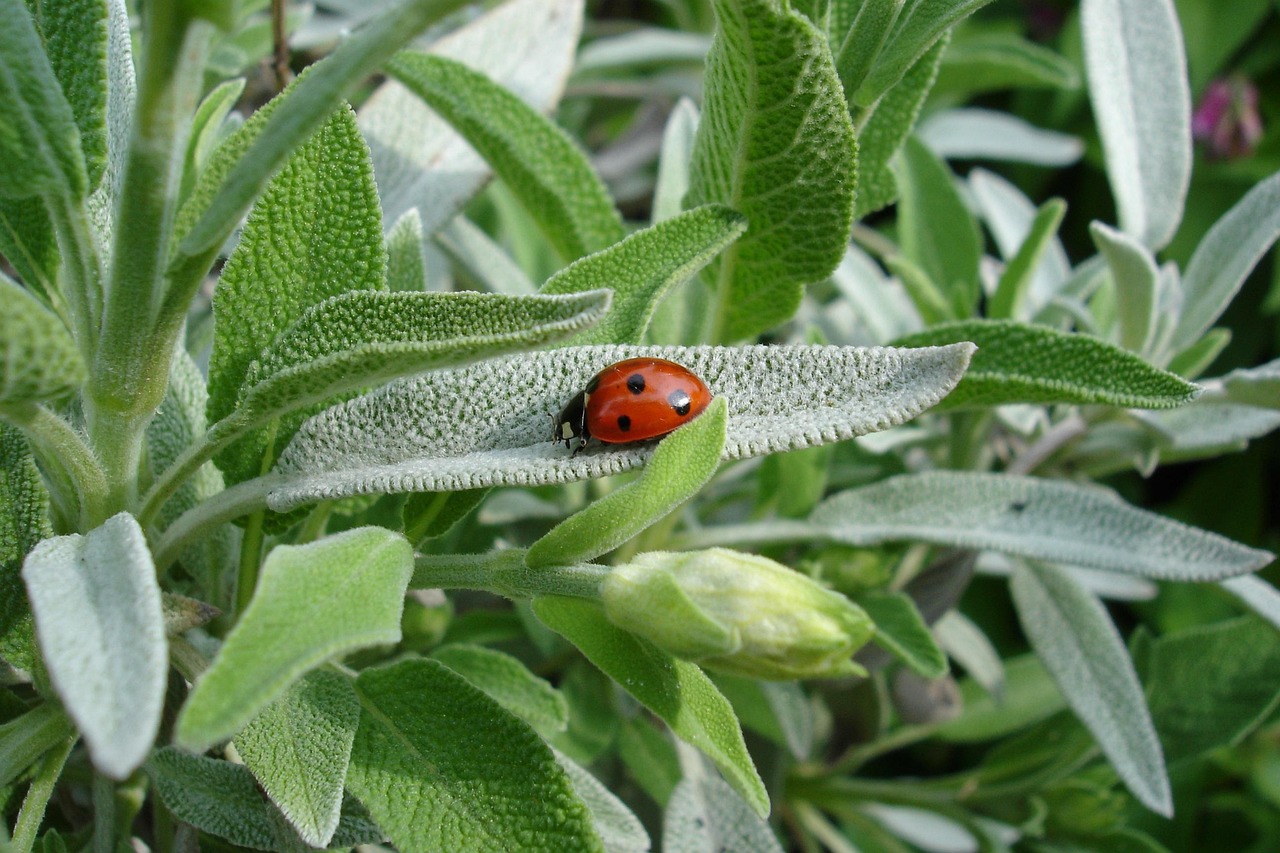
Sage (Salvia officinalis) is a hardy, woody perennial herb with soft, gray-green leaves and an earthy flavor. It does well here in Southwest Missouri (Zones 6b–7a), forming a compact shrub that comes back reliably each spring. Give it full sun, dry roots and good airflow and it needs very little else. Too much water is what usually kills it.
At a glance
- Sun: full sun, 6–8 or more hours a day
- Water: low once established
- Soil pH: 6.0–7.5
- Start: transplants or cuttings; seed is slow and uneven
- Spacing: 18–24 inches apart, rows 24–30 inches apart
- Plant out: late April to early May, once the soil reaches 60°F
- Harvest: 90–100 days after planting out, then June through October
- How many: 1 plant for fresh use, 2–3 if you plan to dry it
- Containers: yes, a 3–5 gallon pot with gritty soil
Varieties that do well here
- Berggarten: broad leaves; it rarely flowers and resists rot in humid weather.
- Common garden sage: hardy and dependable, with the classic flavor.
- Purple sage: purple-gray leaves with the same good flavor.
Golden sage and tricolor sage, with leaves edged in gold or splashed with cream and purple, add color to an herb bed.
When to plant
Sage is cold-hardy once established. Around Springfield the average last spring frost is about April 10.
- Start seeds indoors from late February to early March, 6–8 weeks before planting out. Sow them ⅛–¼ inch deep. They sprout in 10–21 days, slowly and unevenly.
- Plant out from late April to early May, after the danger of frost, once the soil has warmed to 60°F.
- Cuttings root easily from an established plant. You can also bend a low stem to the ground and pin it under a little soil; once it roots, in 4–8 weeks, cut it free and replant it.
Soil and site
Sage likes lean, well-drained sandy or loamy soil. Skip rich compost and manure. Mix sand or gravel into heavy soil, or plant in a raised bed, so water drains away quickly. Give it full sun: in shade it gets leggy and loses flavor. Good airflow and sunlight help keep disease away.
Planting
- Set transplants at the same depth they grew in the pot.
- Space them 18–24 inches apart, with rows 24–30 inches apart.
- Water well after planting.
Water and pruning
- Water regularly through the first growing season, then let the soil dry between waterings. Overwatering is the most common cause of failure.
- Water at the base. A drip line or soaker hose keeps the leaves dry.
- Don’t pile mulch around the crown.
- Prune lightly in spring to shape the plant and let air through, and cut out any dead or damaged branches.
- Sage gets woody and less productive after 4–5 years. Root a few cuttings to replace older plants.
Good neighbors
Sage is a good companion in the vegetable garden. Grow it with cabbage, broccoli, kale, carrots, tomatoes, peppers, rosemary, thyme and oregano; it’s said to help repel cabbage moths, carrot flies and flea beetles. Let a few stems flower: the purple-blue blooms bring in bees, and calendula, cosmos and zinnias nearby add to them. Keep sage away from basil, cilantro, parsley and mint, which want richer, wetter soil.
Pests and diseases
Pests
- Aphids: rare. Spray them off with water.
- Spider mites: fine webbing and speckled leaves, mostly in very dry conditions. Rinse plants with water.
Diseases
- Root rot: comes from poor drainage.
- Fungal problems: powdery mildew and other leaf diseases show up in humid, crowded plantings. Cut off affected growth promptly.
Healthy sage rarely needs treatment. Good drainage, proper spacing, full sun and watering at the base prevent most problems.
Harvest
- Pick leaves any time. Take your biggest harvest just before the plant flowers, when the flavor is strongest.
- Young leaves have the best flavor.
- Pick in the morning, after the dew dries, and never take more than a third of the plant at once.
Sage goes with poultry, stuffing, sausage, squash, beans and brown butter. Sage tea is traditionally used as a gargle for minor sore throats. Culinary amounts are safe. Avoid medicinal amounts during pregnancy and nursing and if you have a seizure disorder, and talk with your healthcare provider before using herbs medicinally if you’re pregnant, nursing or taking medication.
Storing and preserving
Fresh sprigs keep 1–2 weeks in the refrigerator, wrapped in a damp paper towel. Sage dries very well and holds its flavor for months. Hang small bundles in a warm, dark, airy spot, or use a dehydrator set to 95–115°F. Once the leaves crumble, store them whole in an airtight container away from light, and replace them yearly. You can also freeze chopped leaves in ice cube trays with a little water or olive oil.
Winter
Sage is a hardy perennial here and needs little help to come through winter.
- Stop pruning by early September so new growth can harden before frost.
- Once the ground cools, mulch lightly around the plant, but keep the mulch off the crown. Wet soil around the crown does more harm than cold.
- Leave the stems standing over winter to protect the crown, and tidy the plant in early spring.
- Roots in a pot are more exposed to cold than roots in the ground, so move potted sage to a sheltered spot, such as an unheated garage, for the coldest months.