Growing Tomatoes
Tomatoes (Solanum lycopersicum) are one of the most popular and productive crops you can grow here in Southwest Missouri (Zones 6b–7a). They love full sun, warm soil and our long summers. Because they’re heavy feeders and prone to leaf diseases in our humid weather, most of your success comes down to good soil, generous spacing and steady watering.
At a glance
- Sun: full sun, 6–8 or more hours a day
- Water: moderate and steady; uneven watering causes most fruit problems
- Soil pH: 6.0–6.8
- Start: indoors from seed, or buy transplants
- Spacing: 24–36 inches apart, rows 3–4 feet apart
- Plant out: late April to late May
- Harvest: early July until frost
- How many: 3–5 plants per person for fresh eating, 10–20 if you plan to can or freeze
- Containers: yes, a determinate or cherry type in a 10–20 gallon pot
Varieties that do well here
Tomatoes come in two growth habits. Determinate (bush) types stay compact and ripen most of their crop over a few weeks, which suits containers and canning days. Indeterminate (vining) types keep growing and fruiting until frost and need tall cages or stakes.
Our favorites for Southwest Missouri:
- Celebrity: a productive slicer with broad disease resistance.
- Mountain Merit: a slicer that resists late blight and several other diseases.
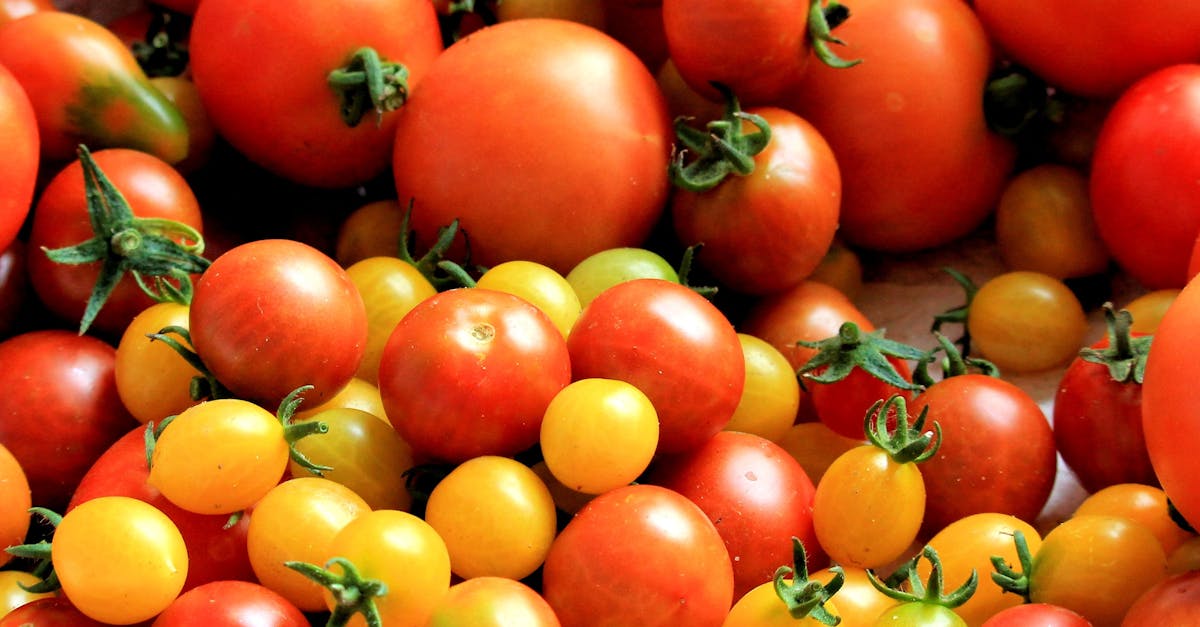
- Sun Gold: a sweet, prolific orange cherry tomato.
Other good choices are Roma for sauce and canning, Better Boy for big slicers, Brandywine if you want an heirloom with rich flavor, and Juliet or Sweet 100 for snacking. On seed packets and plant tags, look for the letters V, F and N after the name: they mean the variety resists Verticillium wilt, Fusarium wilt and nematodes, all of which live in garden soil here.
When to plant
Around Springfield the average last spring frost is about April 10, and the first fall frost comes around October 22.
- Start seeds indoors in late February to early March, 6–8 weeks before you plan to plant out. In warm soil (60°F or more) they sprout in 5–10 days.
- Plant outdoors from late April to late May, once frost is past and the soil has warmed. Tomatoes set out into cold soil just sit and wait.
- Harden off seedlings first: set them outside for a few hours a day, a little longer each day, for 7–10 days.
Soil and site
Pick the sunniest, most open spot you have. Good airflow dries the leaves after rain and keeps disease down. Tomatoes want deep, fertile, well-drained soil with plenty of organic matter, so work compost into the bed and loosen it 12–18 inches deep. Go easy on nitrogen: too much gives you a big leafy plant with little fruit.
Planting
- Plant deep. Bury the stem up to the first set of true leaves; the buried stem grows extra roots.
- Space plants 24–36 inches apart, with 3–4 feet between rows. Crowded tomatoes stay damp and get more disease.
- Put cages or stakes in at planting time, before the roots spread.
- Water deeply right after planting.
Water, mulch and feeding
- Water deeply at the base of the plant, ideally with a drip line or soaker hose, and keep the leaves dry. Steady moisture matters more than the amount: a dry spell followed by a soaking leads to blossom end rot and split fruit.
- Mulch with straw, shredded leaves or grass clippings once the soil has warmed. It holds moisture, keeps weeds down, and stops rain from splashing soil (and the diseases in it) onto the lower leaves.
- Feed with compost at planting and a balanced fertilizer when the first fruits set. Skip high-nitrogen fertilizers.
- Prune suckers, the shoots that grow where a branch meets the main stem, on indeterminate plants to keep them manageable. Determinate plants don’t need it.
Good neighbors
Basil, marigolds, nasturtiums, borage, parsley, carrots, onions, garlic, lettuce and spinach all grow well near tomatoes. Basil in particular is said to improve their flavor and help keep pests away. Keep tomatoes away from potatoes, peppers and eggplant, which share their pests and diseases, and from corn and fennel.
Pests and diseases
Pests
- Tomato hornworms: big green caterpillars that strip leaves fast. Check plants every few days and pick them off by hand.
- Aphids: cluster on new growth and leave a sticky residue. Spray them off with water, or use insecticidal soap or neem oil.
- Spider mites: fine webbing and speckled leaves, worst in hot, dry spells.
Diseases
- Early blight: brown spots with rings like a target, starting on the lowest leaves.
- Late blight: dark patches on leaves and stems that spread quickly in wet weather.
- Fusarium and Verticillium wilt: leaves yellow and wilt, often on one side of the plant first. Resistant varieties are the best defense.
- Blossom end rot: a dark, sunken patch on the bottom of the fruit. It comes from uneven watering, which keeps calcium from reaching the fruit. Adding lime only helps if a soil test says your soil needs it.
Most of these are prevented the same way: plant tomatoes in a different spot each year, space them well, water at the base, mulch, and pull off diseased leaves as soon as you see them.
Harvest
Pick tomatoes when they reach full color and give a little to a gentle squeeze, usually 60–90 days after planting out depending on the variety. Picking every few days keeps the plants producing. Flavor is best when they ripen on the vine, but before the first frost you can pick the green ones too; they’ll ripen indoors at room temperature.
When days climb above 90°F, plants often drop their flowers and stop setting fruit for a while. They pick back up when the weather cools.
Storing and preserving
Keep ripe tomatoes on the counter, not in the refrigerator, which dulls their flavor, and eat them within a few days. For winter, water-bath can them with added acid, cook them into sauce or salsa, freeze them whole, or dehydrate or freeze-dry them.